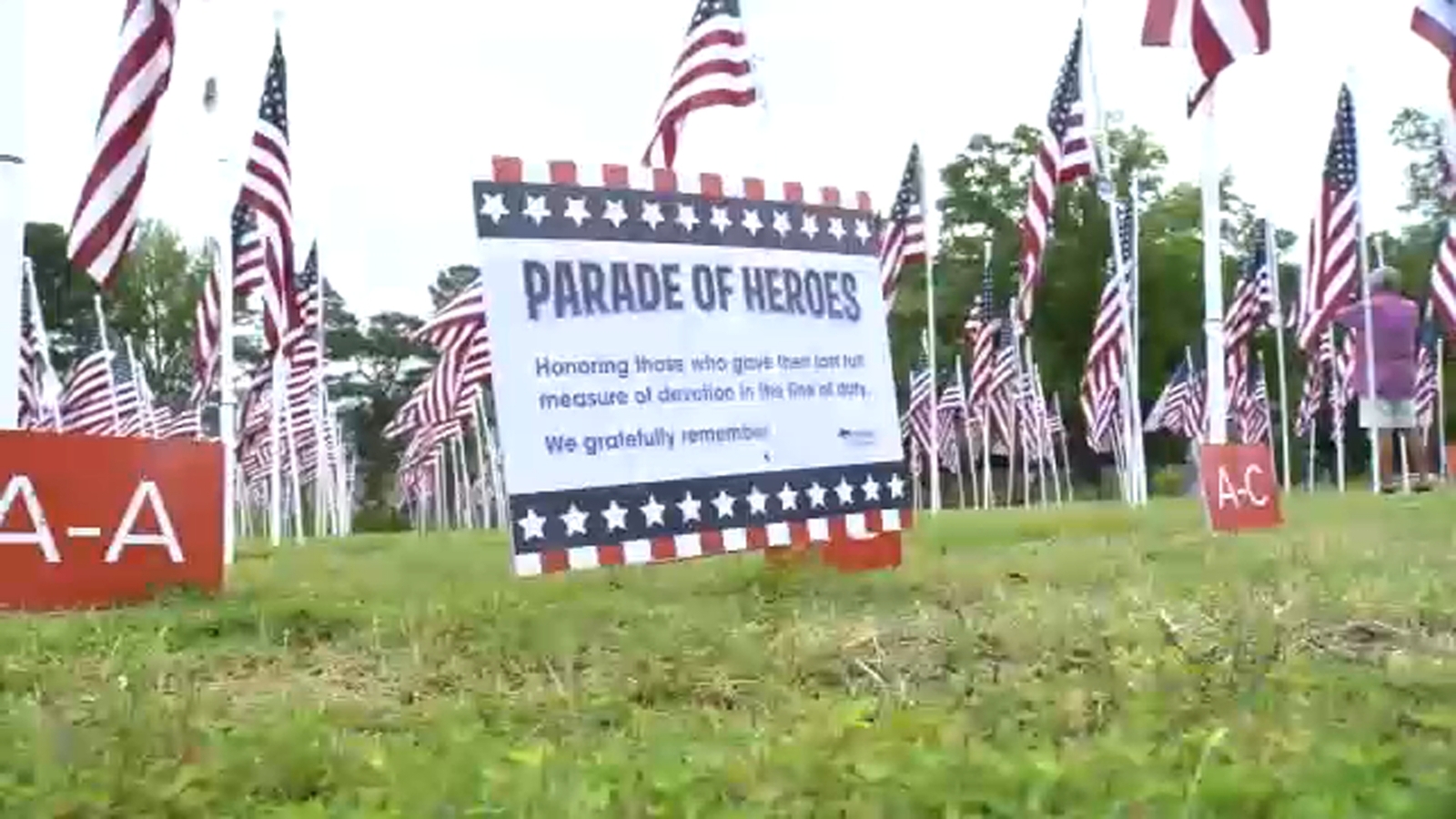
The 2026 Flag Day observances in Durham, North Carolina, serve as a sophisticated case study in the mobilization of local civic infrastructure ahead of the United States Semiquincentennial. By situating the ‘Flags for Heroes’ initiative within Hub RTP—a critical node of the Research Triangle’s economic geography—organizers have successfully integrated traditional commemorative ritual into a high-visibility commercial framework, effectively bridging the gap between historical sentiment and modern industrial identity.
The Rotary Club of Durham’s stewardship of this event underscores the evolution of service organizations into primary architects of social capital. By expanding the ‘hero’ taxonomy to include healthcare professionals and educators alongside traditional first responders and veterans, the initiative reflects a strategic shift toward inclusive institutional recognition. This broader stakeholder mapping ensures that the patriotic observance functions as a cross-sectoral engagement tool rather than a niche military commemoration.
Philanthropic Architecture and Media Symbiosis
Beyond its symbolic utility, Flags for Heroes operates as a sophisticated mechanism for capital reallocation. The model converts visual patriotic displays into liquid funding for the Triangle’s social safety net, providing a sustainable revenue stream for local nonprofits. This process is fortified by the participation of ABC11, whose sponsorship represents a symbiotic alignment between regional media and civic virtue. Such partnerships secure brand legitimacy for corporate entities while providing the project with the requisite visibility to achieve scale.
The pedagogical integration of the North Carolina Children’s Museum ensures a multi-generational transmission of civic values. By embedding family-oriented programming into the observance, the event designers have created a template for long-term cultural sustainability, preparing younger demographics for future roles within the region’s governance and service sectors.
Institutional Continuity and the Youth Pipeline
The deployment of the Hillside High School Junior ROTC and the Riverside High School Choir provides a visible manifestation of institutional continuity. For the Junior ROTC, the ceremony serves as a high-stakes application of protocol, reinforcing the military’s foundational role in national iconography. Conversely, the choral performance provides the emotional resonance necessary to maintain public engagement with formal ritual. The inclusion of Rotary Interact students to offer reflections on the 250th anniversary further shifts the event from static commemoration to an active interrogation of the nation’s future trajectory.
Historical Parallels: The 1861 Semiotic Crisis
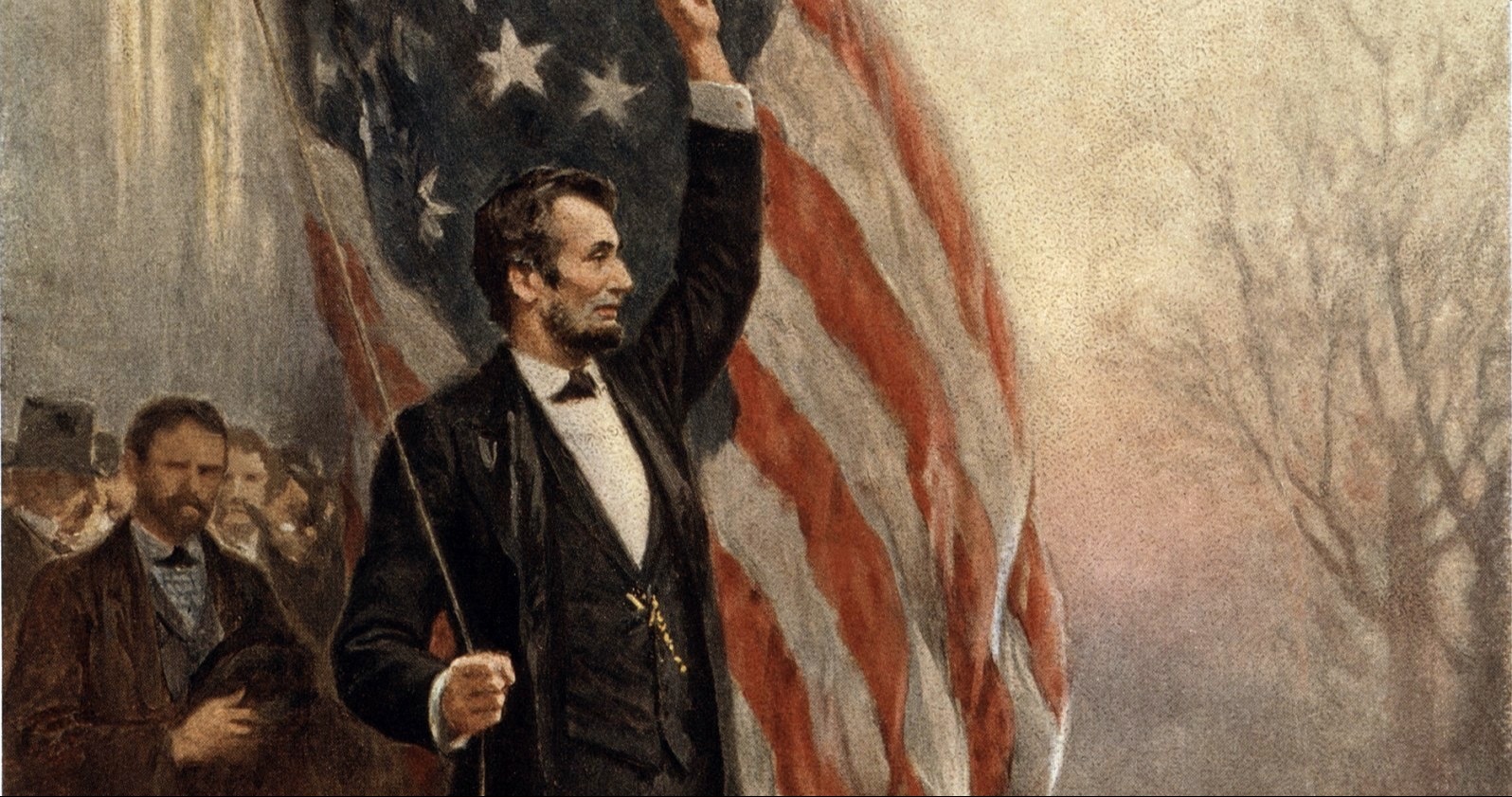
The historical resonance of the flag is deeply rooted in the 1861 journey of President-elect Abraham Lincoln, a period characterized by systemic institutional fragility. Lincoln’s ‘Inaugural Express’ through a fragmenting Union highlights the flag’s role as a contested symbol of legitimacy. Encountering a 33-star flag at a time when seven states had already seceded, Lincoln utilized the banner’s integrity as a rhetorical device to assert federal permanence against the pressure of sectional disintegration.
The subsequent adoption of the 34-star flag following Kansas’ entry into the Union—even as the Civil War commenced—illustrates the government’s use of symbolic expansion to project resilience. This precedent is particularly relevant in 2026, as the flag remains a focal point for navigating pluralistic interpretations of liberty and community. By centering the Durham event on ‘courage, sacrifice, and leadership,’ organizers provide a conceptual framework broad enough to accommodate contemporary complexity without diluting the core purpose of the observance.
Strategic Implications for the Triangle Area
The operational maturity demonstrated by the collaboration between the Rotary Club, municipal schools, and media partners indicates a high capacity for coordinated civic action. As the United States approaches its 250th anniversary, the ability of mid-sized metropolitan areas to create inclusive, multi-layered commemorative spaces will serve as a primary metric of regional health and social cohesion. The Durham model offers a scalable blueprint for balancing historical tradition with the functional requirements of 21st-century civic life.