Princess Bajrakitiyabha’s Passing: Redefining Thailand’s Royal Trajectory
Thailand observes a period of profound national mourning following the passing of Princess Bajrakitiyabha Narendira Debyavati, the eldest child of King Maha Vajiralongkorn, at the age of 47. Her death, confirmed by the royal palace after a nearly four-year health crisis marked by a prolonged coma, signifies a pivotal moment for the Thai monarchy and its institutional future.
A Legacy of Service: Law, Diplomacy, and Social Reform
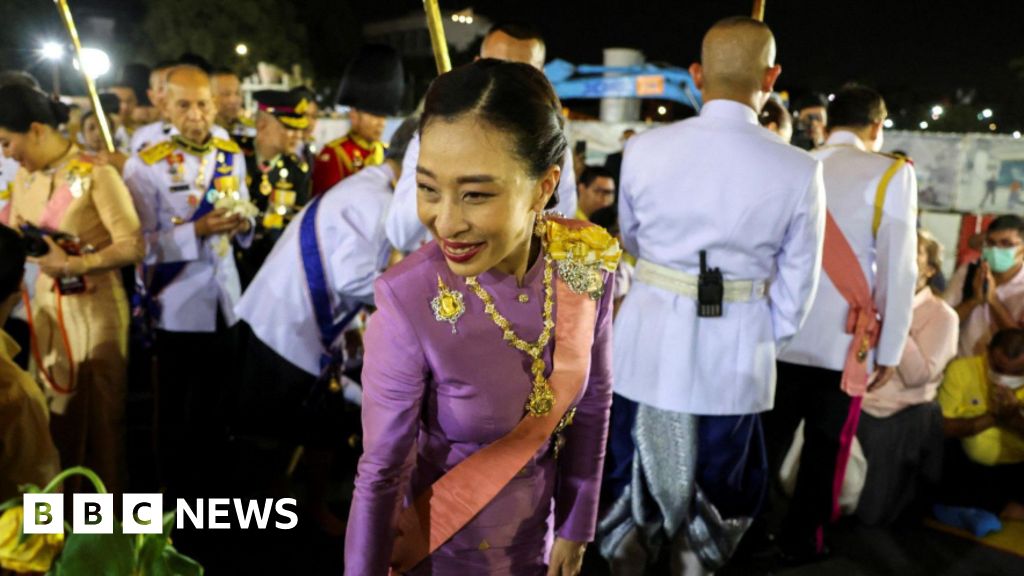
Princess Bajrakitiyabha, affectionately known as Princess Pa or Princess Bha, cultivated a distinguished public career rooted in rigorous academic achievement and dedicated state service. Her advanced legal studies at Cornell University, culminating in Master’s and Doctorate degrees, provided a formidable intellectual foundation that she applied directly to the nation’s governance.
Her tenure as an attorney in the Thai Office of the Attorney-General (2006-2011) offered direct operational engagement with the legal framework, allowing her to contribute substantively to justice administration. Beyond domestic policy, her role as Thailand’s ambassador to Austria (2012-2014) showcased her diplomatic acumen and capacity to enhance the nation’s international standing and soft power.
A committed advocate, Princess Bajrakitiyabha championed significant reforms within Thailand’s criminal justice system, particularly focusing on improving conditions for female prisoners. This proactive engagement underscored her strategic commitment to human rights and social justice, positioning her as a vital force for policy change and a modern face of the monarchy.
Profound Implications for Royal Succession & Institutional Continuity
The passing of Princess Bajrakitiyabha introduces critical complexities into the dynamics of royal succession, a matter of paramount institutional significance in Thailand. While King Maha Vajiralongkorn, 73, has not designated an official heir, Princess Bajrakitiyabha was widely perceived by analysts as the most credible and capable candidate due to her extensive public service, intellectual credentials, and close relationship with her father.
Her absence removes a figure whose accomplished profile provided a strong sense of continuity and stability for the institution. This void necessitates a strategic re-evaluation of potential succession pathways and the future roles of other royal family members. The monarchy now faces the imperative to cultivate new leadership profiles that can bridge traditional expectations with contemporary demands for public engagement and institutional relevance.
Beyond succession, her death leaves tangible operational and strategic gaps. Her specific blend of legal expertise, diplomatic experience, and commitment to social causes—particularly her advocacy for criminal justice reform—represented a unique asset to the state. Maintaining momentum in these critical areas, and effectively projecting Thailand’s interests internationally, will require a redistribution of responsibilities and a re-evaluation of the monarchy’s proactive role in governance.
Her departure challenges the monarchy to strategically adapt its public image and internal leadership development, ensuring its resilience and adaptability in a modernizing nation. The institution must now navigate the challenge of sustaining public confidence and national unity without one of its most visibly accomplished and influential figures.
Health Crisis and National Mourning
Princess Bajrakitiyabha’s health crisis began abruptly in December 2022 when she suffered a sudden cardiac event while training her dogs in Nakhon Ratchasima province. Airlifted to Bangkok, she entered a prolonged coma, with palace statements detailing worsening conditions including an intra-abdominal infection, colitis, low blood pressure, arrhythmias, and blood clotting disorders, ultimately proving intractable.
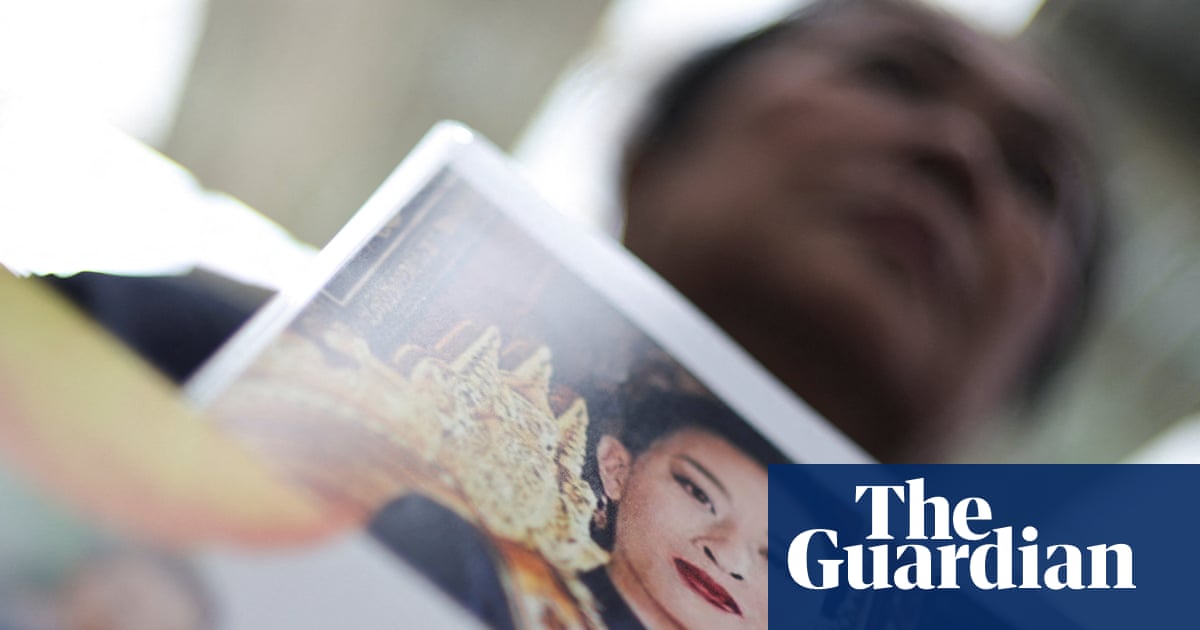
The public response to her passing has been one of profound national grief. Mourners, many dressed in black, gathered at King Chulalongkorn Memorial Hospital, holding portraits of the princess as a testament to their deep emotional connection. Statements from citizens, like Sittinee Damaonsondpoan, who described the princess as embodying “everything good in Thailand: loyalty, kind,” underscore her symbolic role in national identity and the deep respect she commanded.
This widespread outpouring of sorrow reinforces the enduring symbolic power of the #ThaiMonarchy and its unique position at the intersection of tradition, governance, and national identity. The manner in which the royal household manages this period of transition and grief will be crucial in shaping perceptions of its continued resonance and future adaptability.