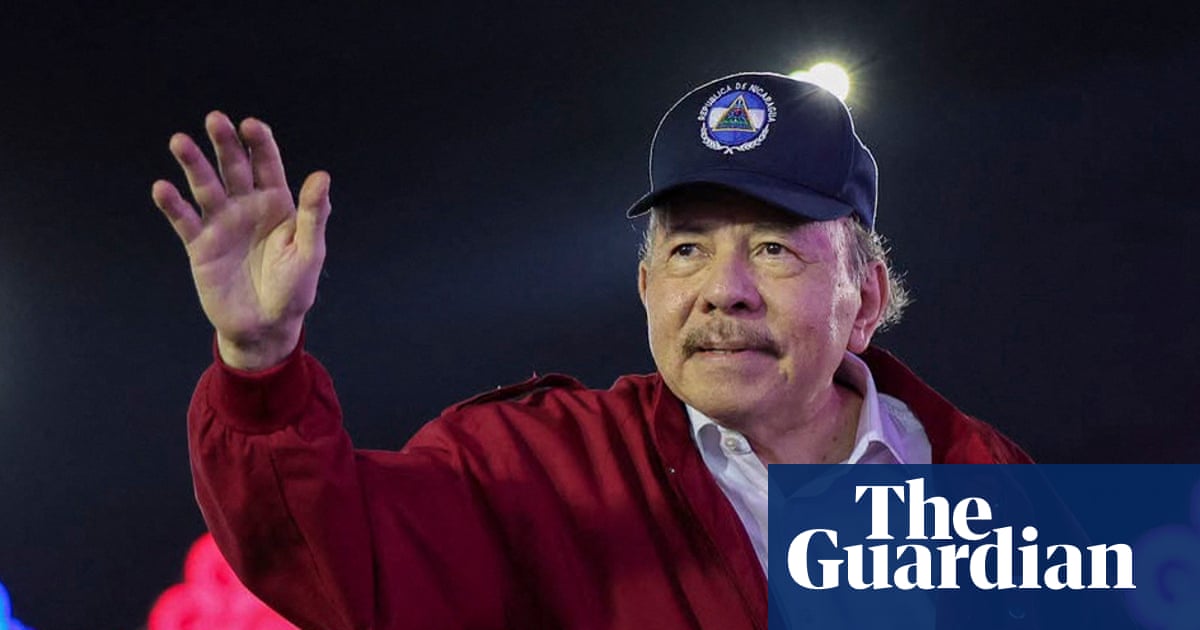
Ortega Declares End to Elections, Formalizing Dictatorial Control
Nicaraguan President Daniel Ortega announced that the country will cease holding elections, a declaration that definitively cancels future electoral processes and consolidates his nearly two-decade authoritarian rule. This pronouncement, made during an address commemorating the Sandinista Revolution anniversary, represents a profound rejection of democratic norms and the elimination of any remaining electoral pathways for political change.
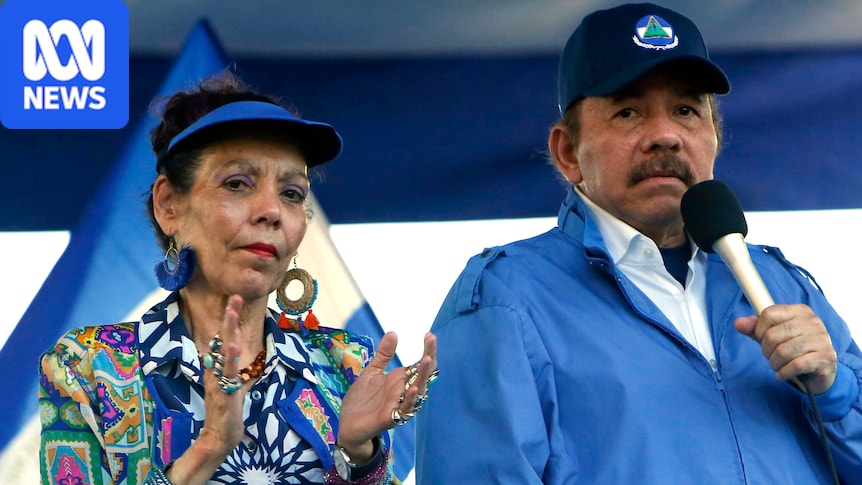
The move signals a strategic shift from managing a façade of democracy to outright dictatorial governance. Analysts characterize this as the final phase of transforming Nicaragua into a family dictatorship, cementing the control of Ortega and his wife, Vice President Rosario Murillo, over all state apparatus. This action removes the last vestige of pretense for electoral legitimacy.
Strategic Imperative: Eliminating Electoral Opposition
Ortega’s declaration strategically removes the possibility of opposition gains through the ballot box, a long-standing objective of the ruling Sandinista National Liberation Front (FSLN). The regime’s operational focus now shifts entirely to maintaining absolute power through executive and legislative fiat, devoid of any pretense of competitive political engagement. This eliminates a critical incentive for the regime to implement reforms or make concessions.
The immediate consequence is the complete closure of institutional avenues for political transition. Opposition movements and civil society are now compelled to seek extra-institutional or international pressure as their primary recourse. While this move risks increased international condemnation and sanctions, it also removes the internal pressure of upcoming electoral cycles that previously necessitated at least the appearance of governance.
Operationalizing Absolute Control Through Legislation
Concurrent with the abolition of elections, Ortega announced plans to work with the government-controlled National Assembly to enact legislation designed to erect an insurmountable barrier against any opposition. This indicates a forthcoming operational phase focused on codifying authoritarianism through restrictive laws targeting political activity, freedom of association, and freedom of expression. The National Assembly, which previously extended presidential terms, is positioned to implement measures solidifying the regime’s absolute authority.
The operationalization of this strategy will likely involve intensified state surveillance, potential asset freezes against dissidents, and the further criminalization of any form of dissent. This creates an increasingly restrictive environment for civil society organizations and independent political actors. State employees, reportedly coerced into attending the anniversary event, face heightened incentives to align with regime directives to preserve their positions and access to state resources, reinforcing the top-down control structure.
Stakeholder Vulnerability and Risk Assessment
For the Nicaraguan populace, this decision signifies the definitive closure of democratic pathways, exposing them to prolonged authoritarian rule with virtually no recourse. Opposition figures and civil society organizations face drastically elevated risks of repression, with their capacity to organize and advocate severely curtailed by impending legislation. The international community, including the United States, is confronted with a regime that has explicitly renounced democratic norms, necessitating a complete recalibration of diplomatic and economic responses.
The regime, while securing its immediate power, significantly increases its exposure to international isolation and reputational damage. The long-term risks include the potential for increased internal unrest or a more forceful international reaction, though the immediate benefit is the elimination of electoral uncertainty and the consolidation of power for Ortega and Murillo.
Economic Repercussions: Capital Flight and Investment Deterrence
The declaration of no further elections is poised to significantly impact capital movement into and out of Nicaragua. International investors seeking stability and predictable regulatory environments will likely be deterred by the amplified political risk and the absence of democratic checks and balances. This could lead to substantial capital flight, as foreign direct investment dwindles and existing capital seeks more secure markets. Conversely, entities with deep ties to the regime or operating in niche sectors less sensitive to political climate might continue engagement, albeit with heightened awareness of the authoritarian landscape.
The international community’s response, particularly from the United States and European nations, will be critical in shaping the financial and reputational pressures on the regime. The extent to which these actors implement targeted sanctions against key figures and their financial networks, coupled with diplomatic isolation, will determine the scale of capital flight and the economic leverage available to influence the regime’s behavior, if at all.
Performance Leverage and Institutional Decay
Ortega’s strategy exploits Nicaragua’s deeply entrenched institutional decay. Democratic institutions have been systematically weakened over years, with the National Assembly and judiciary functioning as instruments to legitimize the regime’s actions, providing a veneer of legality to the abolition of elections. This performance leverage allows the regime to operate with minimal constraints, as established checks and balances have been effectively neutralized.
The long-term performance implication for Nicaragua is a continued deterioration of governance quality, human rights standards, and economic development, owing to the absence of accountability mechanisms. The regime’s performance will now be measured solely by its capacity to maintain internal control and resist external pressure, rather than by its ability to foster democratic growth, human rights, or economic prosperity.
Cascading Effects on Regional Stability and Democracy
The abolition of elections in Nicaragua has significant cascading effects on regional stability and democratic norms across Central America. It establishes a dangerous precedent that authoritarian consolidation is achievable and potentially sustainable, potentially emboldening similar tendencies among other regional leaders. This development can undermine regional integration efforts and exacerbate political polarization, as neighboring countries grapple with the implications of a more entrenched authoritarian state on their borders.
The international community’s response to this overt rejection of democratic principles will heavily influence the broader regional dynamic. A weak or divided response could signal to other leaders that similar actions carry minimal consequences, thereby encouraging democratic backsliding. Conversely, a unified and robust stance could serve as a deterrent. The strategic positioning of the United States and other democratic powers in the region will be critically tested by this development.
Historical Trajectory Towards Totalitarianism
Ortega’s move is not an isolated incident but the culmination of a long-term strategy to dismantle democratic structures initiated upon his return to power in 2007. The narrative of fighting external adversaries, particularly the United States, has been a consistent tool to justify internal repression and consolidate power. This latest declaration marks a structural transformation from a managed democracy or hybrid regime to an outright authoritarian state, where electoral competition is deemed an unacceptable existential risk.
The historical parallel to the Somoza dictatorship, which Ortega himself helped to overthrow, is stark. By eliminating elections, he is effectively replacing one form of dynastic, non-competitive rule with another, albeit one that initially emerged from a revolutionary movement. This represents a profound departure from the democratic aspirations that fueled the Sandinista revolution, highlighting the cyclical nature of power consolidation and the enduring challenges to sustaining democratic governance in the region.
Media Landscape Under Siege: Information Control and Propaganda
The regime’s comprehensive control over the media landscape is a critical component of its strategy to manage public perception and suppress dissent. Independent media outlets have been systematically targeted through harassment, exile, and legal challenges. This allows the regime to frame the abolition of elections as a necessary measure for national stability or as a response to foreign interference, effectively controlling the domestic narrative and discrediting external criticism.
The narrative presented to state employees and the general populace will likely emphasize the perceived failures of democratic processes and the strength and necessity of the current leadership. International media, conversely, will focus on the severe erosion of human rights and democratic freedoms, creating a bifurcated global information environment. The effectiveness of this information control hinges on the regime’s capacity to maintain domestic media dominance and the extent to which external information sources can penetrate the national discourse.
Regime Survival Incentives: Perpetuating Power
The primary incentive for Daniel Ortega and Rosario Murillo is regime survival and the perpetuation of their power and influence, potentially for their family line. By eliminating elections, they remove the most significant external pressure point that could lead to their removal from office. This decision prioritizes the immediate security of their rule over any potential long-term benefits of democratic legitimacy, international goodwill, or sustained economic development.
The operational incentives for key figures within the regime’s apparatus, such as military and security forces, are intrinsically linked to maintaining the existing power structure. Their loyalty, continued access to state resources, and personal security are contingent on supporting the regime’s directives, including the enforcement of new restrictive laws and the suppression of any emergent opposition.
Future Trajectory: Entrenched Authoritarianism and International Dilemma
The future trajectory for Nicaragua under this new paradigm is one of entrenched authoritarianism, with a drastically diminished role for civil society and political opposition. The international community faces a complex strategic dilemma: how to respond to a state that has explicitly renounced democratic processes without resorting to measures that could further destabilize the region or inadvertently harm the civilian population. Diplomatic isolation, targeted sanctions against key individuals and their networks, and robust support for exiled opposition voices are likely to be the primary tools employed.
The effectiveness of these international responses will be a critical determinant of whether Ortega’s move signals a broader trend of democratic backsliding in the region or serves as a stark warning of the severe consequences of abandoning democratic governance. The long-term impact on Nicaragua’s development, human rights landscape, and its standing within the international order will be shaped by these ongoing dynamics and the resolve of democratic nations.