
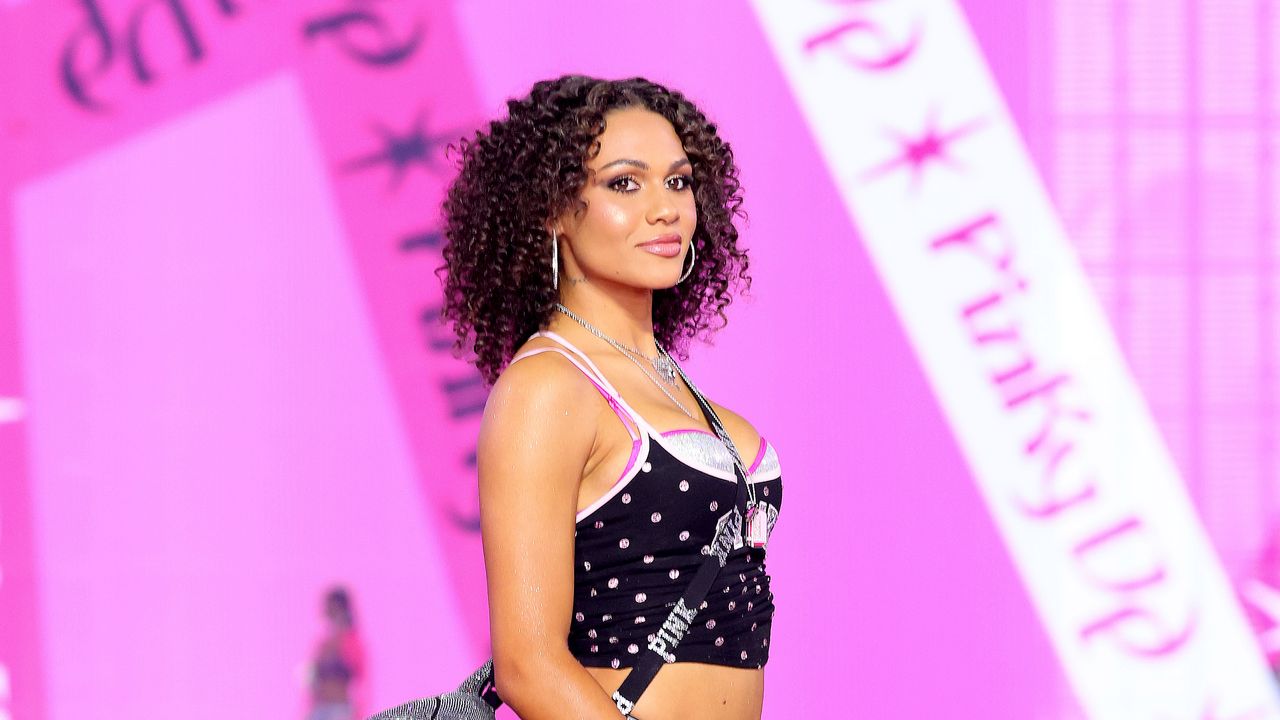
Intersection of Professional Athletics and Fashion Media
The convergence of elite athletic performance and high-profile fashion platforms illustrates a distinct strategic evolution in modern brand positioning. When professional athletes step onto major global runways, media ecosystems respond by amplifying cross-industry visibility that transcends traditional sports broadcasting. This phenomenon reflects a broader institutional recognition of athletes as influential cultural figures capable of driving engagement across diverse consumer segments.
For established fashion entities, integrating prominent sports figures introduces fresh demographic alignment without compromising the curated prestige of the event. The inclusion of figures such as Trinity Rodman alongside traditional fashion models signals an operational shift toward diversifying talent representation. Such programming decisions are designed to capture audiences who operate at the intersection of competitive sports and contemporary style.
The Competitive Context of Professional Sports Scheduling
The timing of these high-profile public appearances occurs alongside rigorous athletic commitments within domestic leagues. Just one day prior to her appearance on the runway, Rodman contributed to a competitive victory for the Washington Spirit against Gotham FC. Balancing demanding athletic calendars with high-visibility cultural engagements requires careful operational navigation by both players and their respective organizations.
This dual engagement underscores the modern reality of professional sports careers, where personal brand development operates parallel to on-field performance metrics. Stakeholders across sports franchises increasingly recognize that off-field visibility enhances overall brand equity for both the individual and the league. Consequently, participation in globally recognized cultural events functions as a mechanism for expanding the commercial footprint of women’s soccer.
Strategic Implications for Brand Equity and Visibility
The alignment of athletes with heritage fashion brands creates mutual valuation benefits within the contemporary media landscape. By embedding active competitors into premier showcases, event organizers leverage the inherent discipline and public appeal associated with professional sports. This cross-pollination provides brands with authentic narratives that resonate with demographics increasingly driven by personality-led influence.
Furthermore, these appearances establish precedents for future collaborations between athletic institutions and lifestyle brands. As athletes continue to cultivate distinct public profiles, the boundaries between sports entertainment and fashion culture become increasingly porous. This structural shift alters how talent agencies and brand managers evaluate off-field opportunities for emerging sports stars.
Institutional Evolution in Women’s Soccer
The growing prominence of players like Rodman within mainstream cultural domains highlights the shifting stature of women’s soccer within the global entertainment economy. Institutional growth relies not only on competitive intensity on the pitch but also on the ability of players to command attention in broader cultural arenas. As league visibility increases, individual players leverage their platforms to redefine traditional expectations of athletic identity.
This dynamic alters the economic incentives for athletes operating within structured team environments. Navigating dual roles as elite competitors and cultural icons introduces new dimensions to player portfolio management. Ultimately, these developments point toward a future where athletic excellence and lifestyle branding are deeply integrated components of professional sports careers.

Photo by IdaT on Pixabay.