The One-Point Delta: Navigating the LaLiga Pressure Cooker
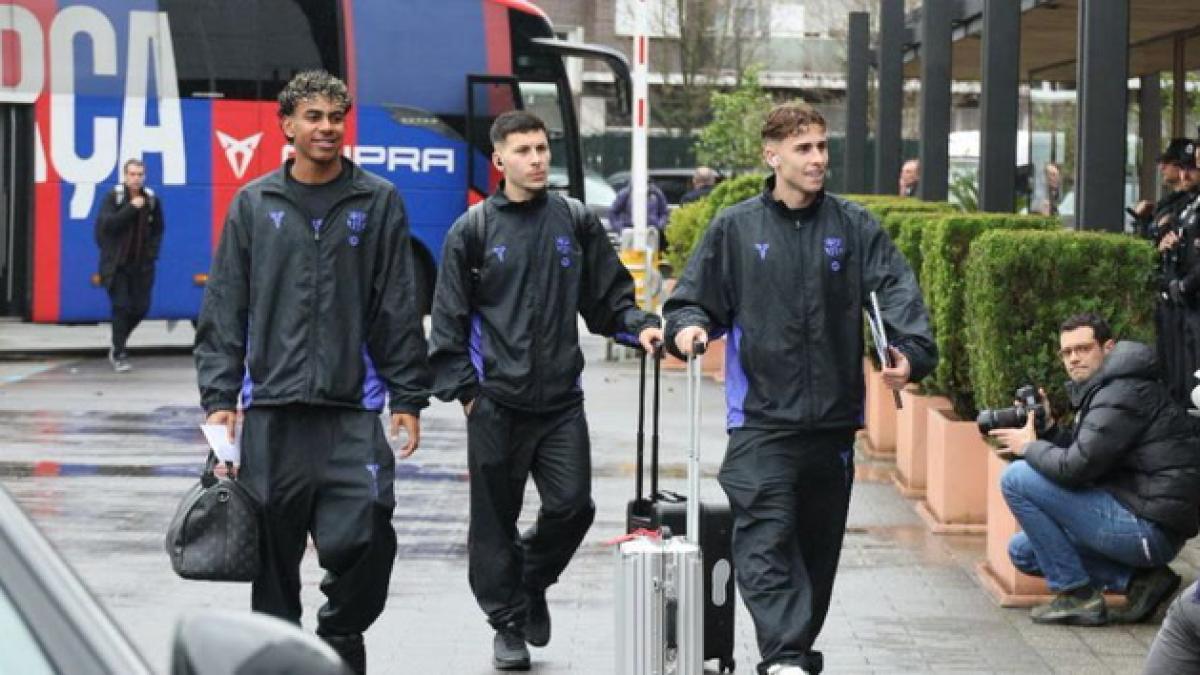
Matchday 27 presents a high-stakes tactical crossroads for FC Barcelona at San Mamés. Following Real Madrid’s late-game clinicality against Celta Vigo, the Blaugrana’s lead has evaporated to a solitary point, transforming this Basque excursion from a standard fixture into a mandatory defensive of their domestic pole position. The 2025/2026 campaign has reached a phase of structural volatility where Hansi Flick must balance the immediate need for points with the macro-cycle periodization required for the upcoming Champions League Round of 16 second leg against Newcastle United.
Flick’s Rotational Calculus and Defensive Porosity
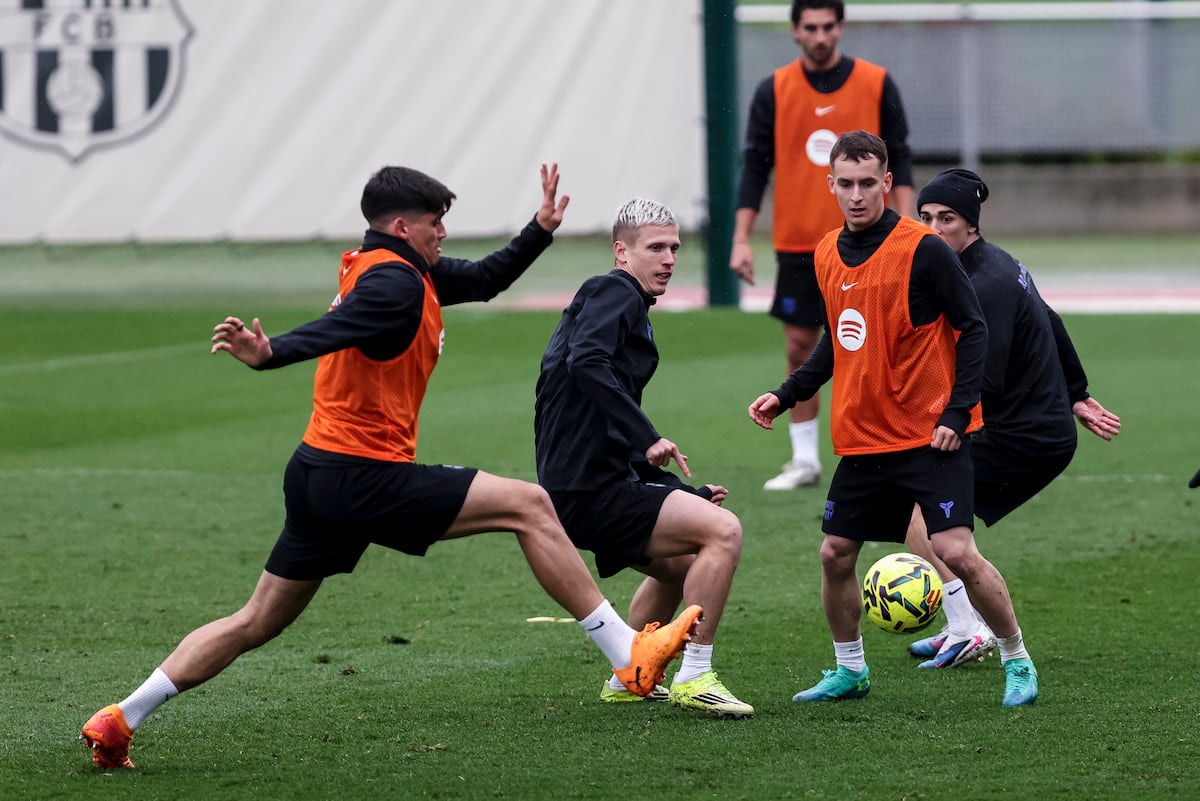
The strategic decision to bench Pedri and Raphinha underscores Flick’s prioritization of the continental stage, where financial and prestige multipliers are highest. However, this risk-reward calculation is complicated by a depleted defensive unit. The absence of Jules Koundé and Alejandro Balde removes the primary mechanisms for containing vertical transitions, forcing an asymmetric backline configuration that Athletic’s high-press system is specifically designed to exploit. While Robert Lewandowski’s return offers a focal point for possession, the lack of Frenkie de Jong in the initial build-up phase suggests a more direct, lower-percentage offensive approach.
Athletic Club: Academy Integration and European Necessity
Sitting ninth with 35 points, Ernesto Valverde’s Athletic Club faces a five-point deficit in their pursuit of European qualification. The post-Copa del Rey exit at the hands of Real Sociedad has narrowed their focus entirely to league standing. Valverde’s tactical response to the absence of Nico Williams involves the promotion of Selton from the Lezama academy—a move that prioritizes system familiarity over individual star power. Without Nico’s 1v1 isolation threat, the Basque side will likely pivot toward a collective suffocating press to disrupt Barcelona’s makeshift midfield rhythm.
Institutional and Commercial Implications
Beyond the pitch, the result in Bilbao carries significant institutional weight. For Barcelona, maintaining the lead is vital for commercial leverage in ongoing sponsorship negotiations and domestic TV rights distribution. For Athletic, returning to Europe is a financial imperative to sustain their unique talent-retention model. The atmospheric hostility of San Mamés serves as a force multiplier for the home side, testing the psychological resilience of Barcelona’s younger core, including Lamine Yamal, in what remains one of European football’s most demanding environments.