Week 7 fantasy football lineup construction requires isolating structural matchup advantages from short-term output variance. Rather than relying on baseline season averages, effective decision-making hinges on efficiency metrics per dropback, target depth distributions, and secondary coverage tendencies.
Matchup Leverage: Evaluating Opponent Defensive Baselines
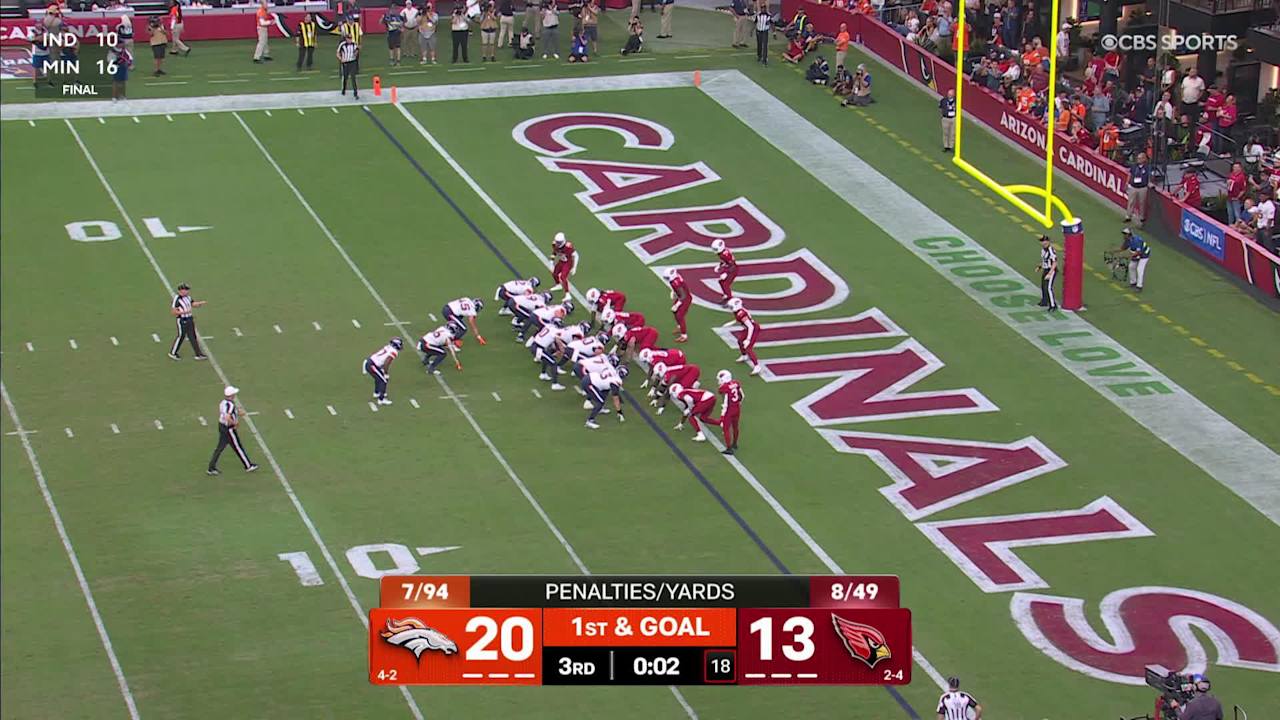
Contextual defensive data is critical when evaluating volatile starters such as Bo Nix. According to analysis from NFL.com’s Raza Umerani, specific defensive profiles establish mathematically favorable baselines that mitigate recent individual struggles. The Arizona Cardinals’ secondary presents a key case study, having yielded elevated fantasy points per dropback alongside measurable deficiencies against downfield passing schemes.
Secondary Exposure: Air Yards and Explosive Pass Defense
A defense’s surrendered air yards per attempt provides an accurate measure of structural pass-defense stability. Units conceding significant volume on attempts exceeding 10 air yards, paired with high passing touchdown conversion rates, offer clear tactical targets for opposing coordinators. Pinpointing these coverage breakdowns allows fantasy managers to project elevated passing efficiency and target volume in deep-ball schemes.
Tactical Roster Management and Utilization Shifts
Disciplined fantasy management demands distinguishing between momentary production slumps and tangible adjustments in snap distribution or target share. Synthesizing opponent coverage metrics, dropback efficiency, and expert consensus rankings provides an empirical framework to resolve start-sit dilemmas across rosters involving players like Nix, CJ Stroud, and J.K. Dobbins.