Public Disconnect Follows Philadelphia Roster Move
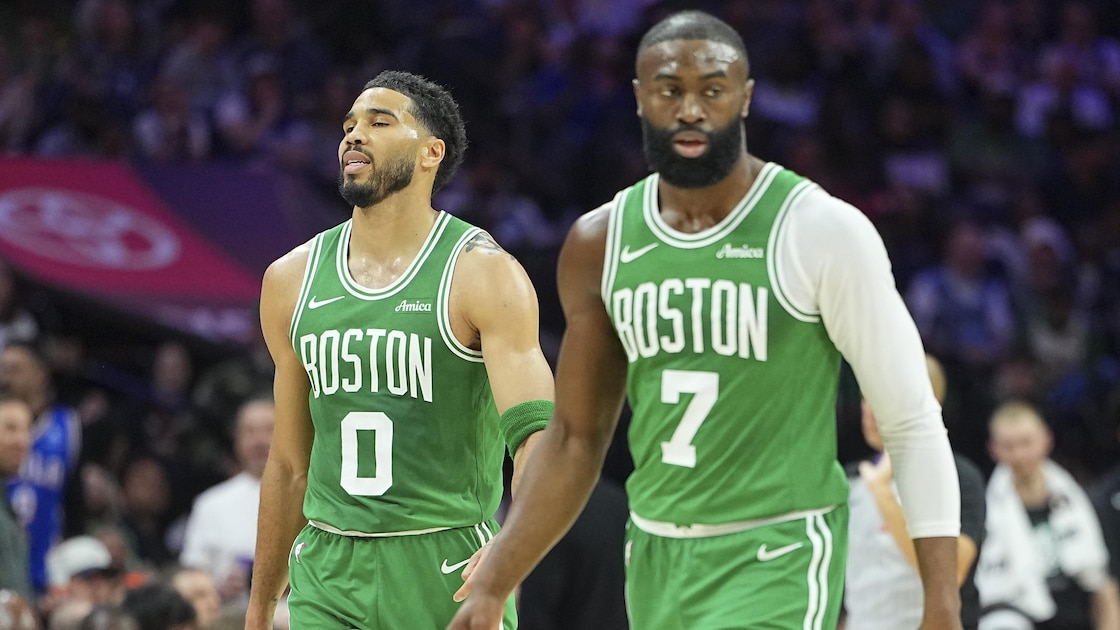
A public divergence has emerged between former Boston Celtics teammates Jayson Tatum and Jaylen Brown following Brown’s trade to the Philadelphia 76ers. The friction surfaced after Tatum used his YouTube channel to outline his initial reaction to the transaction, claiming he was blindsided during offseason workouts in Las Vegas. Brown publicly challenged that characterization on Instagram using a cap symbol, indicating he viewed Tatum’s depiction as inaccurate.
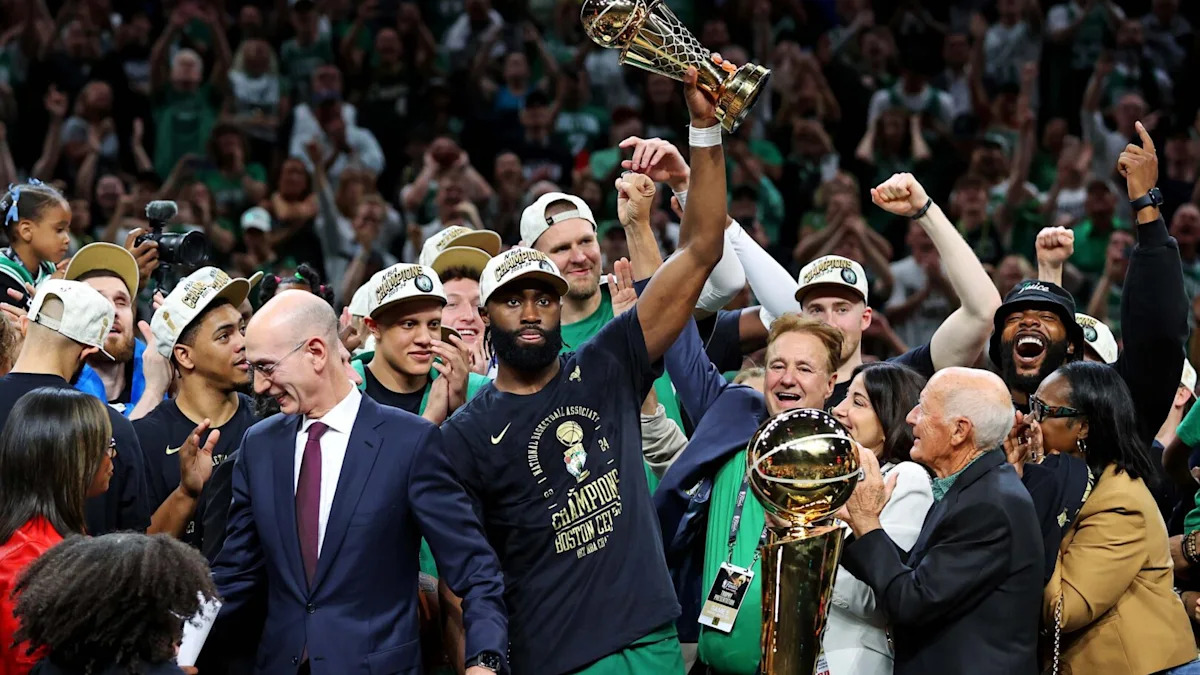
The exchange highlights immediate communication fractures surrounding the conclusion of a nine-year partnership spanning from 2017 through 2026. During their shared tenure, the tandem secured Boston’s eighteenth franchise title in 2024. Brown’s direct contradiction of Tatum’s narrative indicates unresolved tensions regarding how the internal decision-making process was communicated to franchise cornerstones.
The Las Vegas Incident and Information Dissemination
According to Tatum’s video, news of Brown’s departure was delivered in an unconventional setting. Tatum stated that reporter Shams Charania approached him during an offseason workout in Las Vegas, advising him to conceal his reaction before disclosing the trade to Philadelphia. Tatum presented himself as caught off guard, emphasizing disbelief that Boston would send Brown to an Eastern Conference rival.
Brown’s social media dismissal challenges the credibility of this account, implying that awareness of the transaction was not as sudden as depicted. The disagreement exposes the operational role played by media insiders who act as intermediaries between front offices and active players. When transaction logistics bypass structured internal briefings, conflicting narratives inevitably emerge among former teammates regarding who possessed advance notice.
Individual Recognition Versus Collective Outcomes
The public disagreement reflects broader dynamics regarding public perception, player valuation, and individual accolades. In previous comments alongside music artist Lil Baby, Brown articulated a perspective concerning external awards following the Celtics’ 2024 championship run. Brown noted that despite securing two MVP recognitions, including the Finals MVP honor, personal hardware carried minimal subjective weight compared to securing the collective championship title.
Brown also addressed disparities in organizational recognition, stating that his unexpected award provoked divergent reactions from observers. His commentary pointed out that individual accolades often carry disproportionate significance for specific stakeholders while failing to generate reciprocal enthusiasm across the locker room. This context provides a framework for understanding Brown’s skepticism toward Tatum’s public statements.
Platform Ownership and Narrative Control
Tatum’s decision to discuss the transaction on his YouTube channel illustrates the shift toward direct-to-consumer athlete communication. Modern players routinely bypass traditional press intermediaries to establish their personal perspectives on roster reshuffling and team dynamics. This self-directed media infrastructure grants athletes command over tone and brand preservation during institutional transitions.
However, Brown’s counter-response reveals the limitations of athlete-driven media ecosystems. When peer athletes possess equal public reach, an unverified personal account can be promptly contested on alternative digital platforms without traditional moderation. The brevity of Brown’s rebuttal demonstrated how institutional messaging can be instantly altered by a single digital response from a key counterpart.
Strategic Fallout and Future Trajectories
The transition marks the closure of the 2017 to 2026 competitive framework that defined Boston’s operational model. In his video reflection, Tatum acknowledged this longevity, noting that the identities of the two players were structurally intertwined throughout their formative professional years. Their nine-season tenure generated sustained conference contention and a championship banner.
Brown’s relocation to the Philadelphia 76ers introduces substantial operational adjustments for both Eastern Conference franchises. Rather than coexisting as perimeter assets, the former teammates are positioned as direct intra-conference rivals. Brown’s skepticism toward Tatum’s integrity surrounding the trade narrative guarantees that future on-court encounters will carry additional interpersonal complexity.