A 23-point fourth-quarter performance by the Tennessee Titans erased an entrenched double-digit deficit at Lucas Oil Stadium, culminating in a 23-20 victory over the Indianapolis Colts. The result dropped the host franchise to a 2-4 overall record and 1-1 within the AFC South, while providing Tennessee with its first lead of the campaign.
Fourth-Quarter Special Teams Volatility
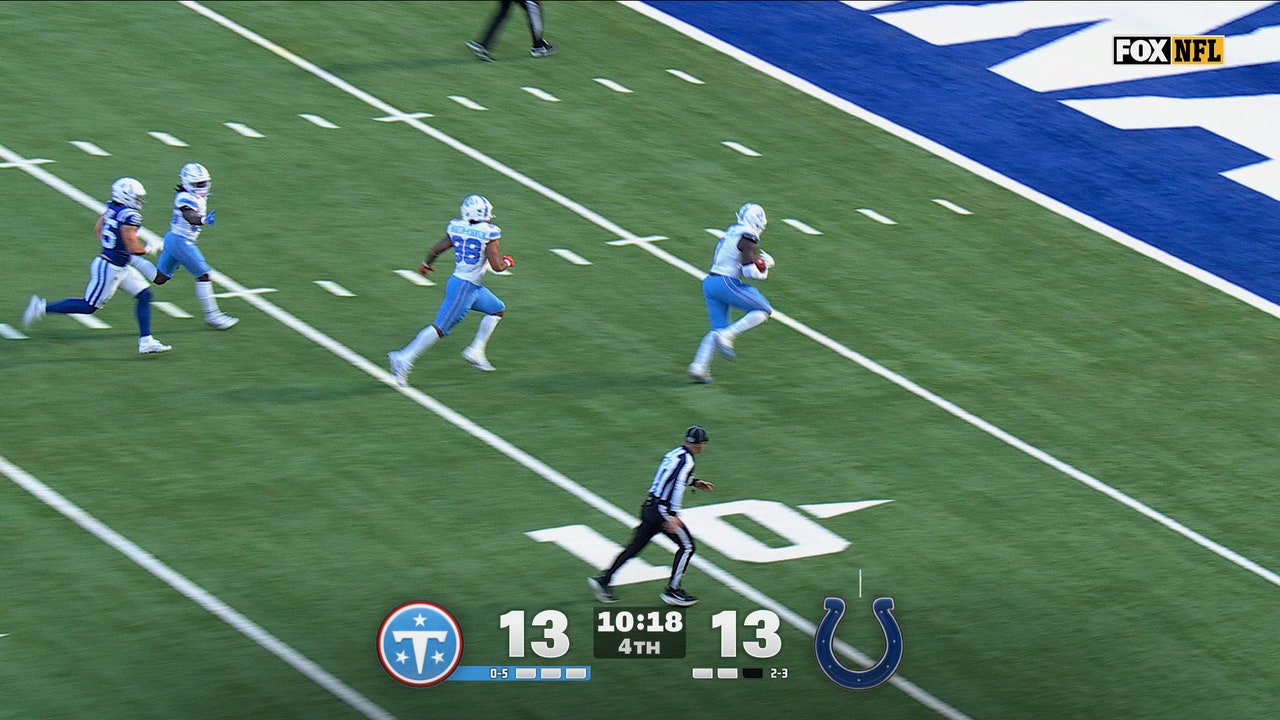
The contest pivoted during the final period through high-leverage special teams execution. A 58-yard punt return granted Tennessee prime field position, setting up a touchdown drive that tied the score at 13-13. On the ensuing possession, defensive penetration yielded a blocked punt by Rigoberto Sanchez, returned for a touchdown to establish a 20-13 Titans lead.
Although Indianapolis answered with a game-tying touchdown run by Jonathan Taylor, placekicker Joey Slye converted a 49-yard field goal with 2:03 remaining. This score completed a 23-point quarter, cementing the three-point margin.
Indianapolis First-Half Control and Defensive Lapses
The late surge contrasted with an opening half dominated by defensive suppression. Indianapolis broke a scoreless tie in the second quarter when tight end Mo Alie-Cox recorded his first touchdown of 2026—marking his 101st consecutive appearance with the franchise. Specialist Spencer Shrader added field goals from 23 and 47 yards, building an operational cushion.
However, Indianapolis’ season-long struggle to force turnovers proved fatal. Entering the matchup with just two takeaways on the year, the defense failed to generate short fields or halt Tennessee’s late-game acceleration.
Franchise Pressures and Organizational Scrutiny
The comeback arrived amid mounting skepticism in Nashville. Fan inquiries addressed by Jim Wyatt highlighted frustration with ongoing rebuild timelines and leadership turnover following an 0-5 start. Stakeholders questioned the return on offseason capital deployment and raised economic concerns regarding the 2027 stadium development timeline. While the victory at Lucas Oil Stadium interrupts the immediate crisis narrative, foundational questions regarding roster direction persist.