Electoral Vulnerabilities and Executive Accountability in Michigan
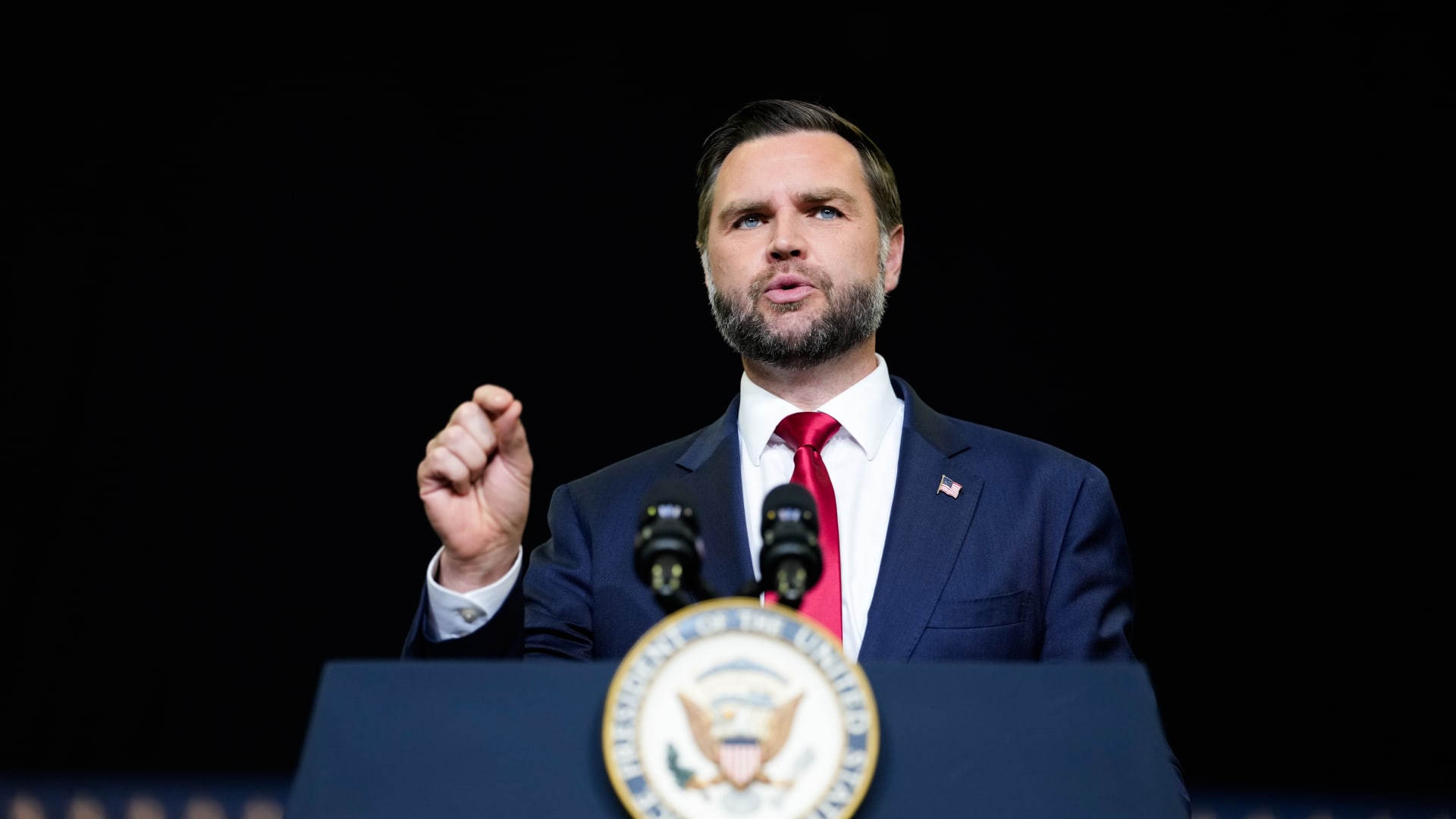
During an hour-long CBS News special titled Things That Matter: A Town Hall With Vice President JD Vance, moderated by Tony Dokoupil in Flat Rock, Michigan, Vice President JD Vance faced pointed cross-examination from swing-state voters. The event served as an operational stress test for the administration ahead of high-stakes midterm elections that will decide control of the United States Senate. Michigan—a pivotal industrial battleground carried by the Trump-Vance ticket in 2024—features a contested open Senate race between Democratic nominee Abdul El-Sayed and Republican former Representative Mike Rogers, making local economic sentiment an urgent federal priority.
Voters directly confronted Vance on the friction between federal executive strategy and domestic household strain, raising grievances over cost-of-living pressures, data center expansion, hardline immigration enforcement, and foreign military interventions. Even past Trump-Vance supporters in the audience challenged the White House’s timeline for economic stabilization, highlighting the tactical vulnerability of down-ballot candidates when macroeconomic relief fails to materialize at the household level.
Refining Bottlenecks, Maritime Chokepoints, and the Defense Production Act
Domestic retail fuel prices emerged as an immediate flashpoint when a Detroit barber contrasted current gasoline expenses with lower baseline costs observed during Donald Trump’s first presidential term. Vance framed current pump prices not as an extraction deficit, but as a dual structural crisis: sustained international maritime disruption in the Middle East stemming from Iranian actions against commercial shipping lanes, compounded by long-term domestic infrastructure constraints. Specifically, Vance asserted that approximately twenty percent of U.S. petroleum refining capacity went offline under the Biden administration.
To bypass market lags and address these refining bottlenecks, Vance announced that the administration is actively invoking the Defense Production Act (DPA). Resorting to statutory emergency powers underscores the administrative limits of conventional deregulation in rapidly restoring capital-intensive refining assets. By linking fuel volatility to foreign maritime disruption and prior industrial policy, the White House seeks to deflect blame for short-term energy inflation while acknowledging that external geopolitical escalations generate direct domestic economic blowback.
Institutional Information Breakdowns and Overseas Casualties
The strategic risks of foreign military engagements intersected with domestic command accountability in an exchange with Joey Amor. Amor is the surviving spouse of Master Sergeant Nicole Amor, one of six American service members killed by an Iranian drone strike in Kuwait on March 1, launched in the immediate aftermath of President Trump ordering initial strikes against Iran. Amor challenged Vance directly on force-protection failures and command responsibility.
Vance responded with an unexpected admission of internal communication failure: “This literally is the first time I’ve heard of this,” adding, “This job is an amazing honor; but you live in a bit of a bubble and sometimes information doesn’t filter up.” The acknowledgment revealed a severe systemic breakdown in executive intelligence distribution during active military operations, exposing operational silos between theater commanders, the Pentagon, and the vice presidency, while drawing sharp criticism regarding civilian oversight during hostilities.
The 2028 Succession Calculation Under Administrative Headwinds
The town hall exposed the conflicting imperatives Vance faces as both sitting vice president and presumptive heir to the MAGA coalition. Although Trump has openly identified Vance as his most logical successor for the 2028 Republican presidential nomination, Vance adopted a cautious posture in Flat Rock, stating he remains undecided and noting that “of course” a scenario exists where he declines to run.
This restraint reflects the strategic liabilities of mounting a national campaign tied directly to active White House policies. Any future candidacy will require Vance to absorb structural accountability for energy market interventions, wartime casualties, and regulatory realignments. For the immediate future, his political leverage depends entirely on the administration’s ability to lower consumer price volatility, rationalize military engagements, and secure critical Rust Belt Senate seats like Michigan’s.