Structural Destabilization of the Philadelphia Offense
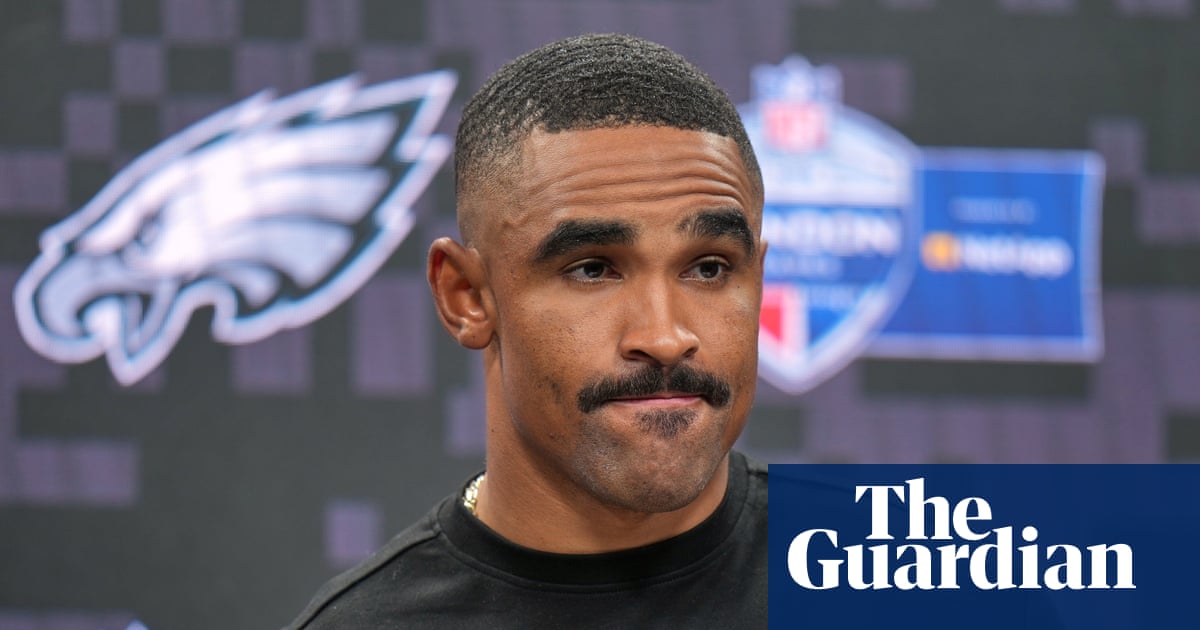
The Philadelphia Eagles have entered a phase of acute operational volatility following the placement of franchise quarterback Jalen Hurts on Injured Reserve (IR). The diagnosis of a superficial blood clot in his calf—sustained during an October 4 encounter with the Los Angeles Rams—removes the primary engine of the team’s offensive architecture. This development creates a leadership vacuum that transcends on-field production, forcing a high-stakes recalibration of the team’s competitive trajectory.
Medical Logistical Failures and Vascular Risks
The clinical progression of Hurts’ condition highlights a complex interaction between physical trauma and the physiological stresses of international travel. Despite the initial injury, Hurts participated in a practice session on October 8 before reporting symptoms. The subsequent decision to proceed with a long-haul flight to London for the Jacksonville matchup introduced significant vascular variables. While medical staff initially recommended continued mobility based on a London ultrasound, the post-travel reassessment in Philadelphia necessitated an indefinite sideline stint to mitigate systemic risk.
Human Capital Management: The Dalton Rejection
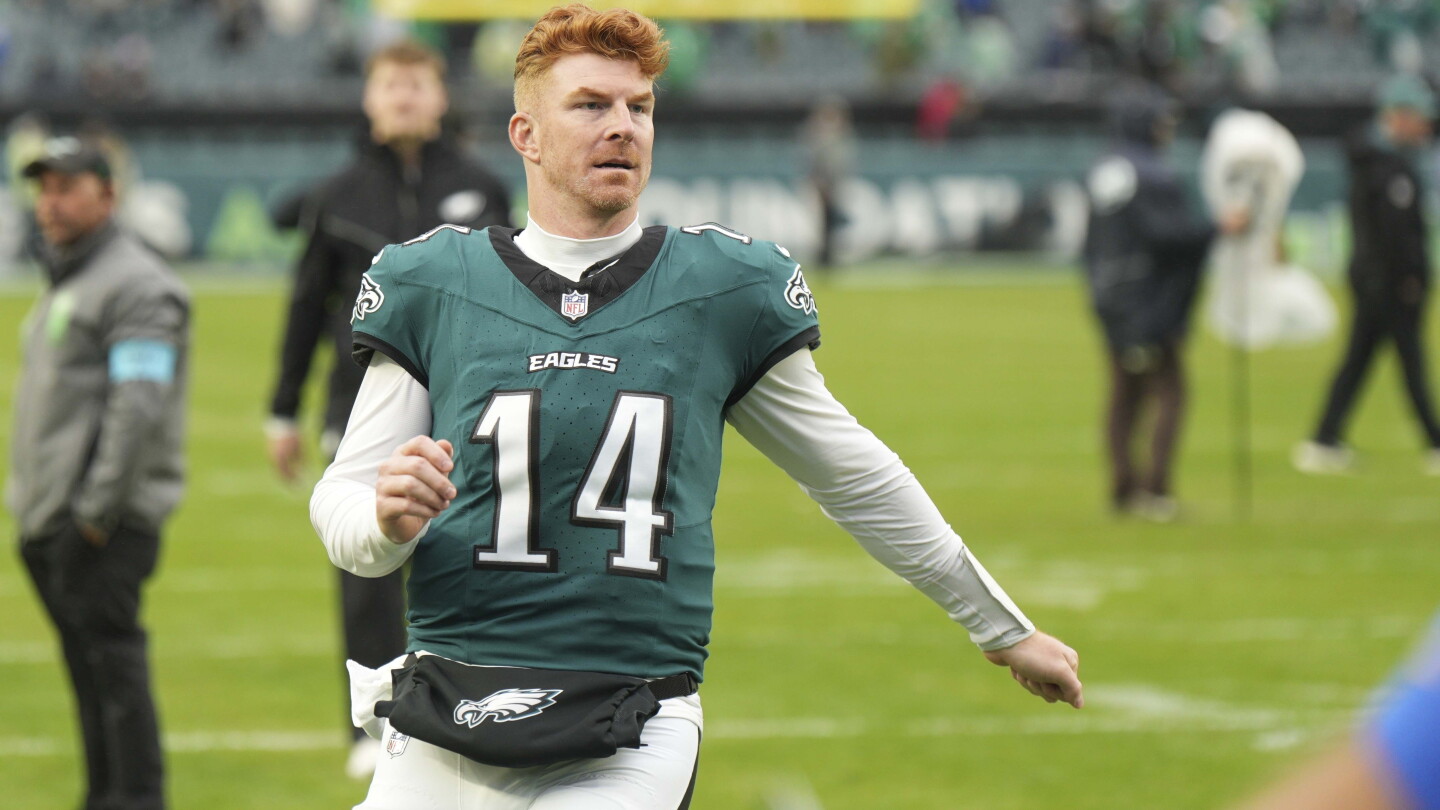
The Eagles’ attempt to stabilize their depth chart through the re-acquisition of Andy Dalton resulted in a public failure of recruitment leverage. Dalton, a 16-year veteran released by the organization just nine days prior, declined the invitation to return. This refusal indicates a shift in market dynamics, as Dalton reportedly seeks alternative opportunities with higher perceived stability. For Philadelphia, this rejection exposes the fragility of a roster-building strategy that recently discarded its primary safety net, leaving the team without a veteran stabilizer during a diagnostic crisis.
Tactical Dissonance and Developmental Reliance
In the absence of Hurts and a viable veteran contingency, the offensive burden shifts to Tanner McKee. The transition from a Super Bowl LIX MVP to a developmental passer requires a radical simplification of a playbook originally engineered for a dual-threat elite athlete. With a backup rotation consisting of rookie Cole Payton and Joe Milton—a recent acquisition from the Dallas Cowboys’ practice squad—the Eagles are now forced into an emergency procurement model that prioritizes immediate availability over long-term system integration.
Institutional Oversight and League-Wide Ripple Effects
The management of Hurts’ vascular health raises institutional questions regarding player safety protocols during international logistics. The decision to allow an active player with a diagnosed clot to undertake transatlantic travel will likely face scrutiny from league authorities. Furthermore, Dalton’s impending signing elsewhere is expected to trigger a secondary market cascade, potentially displacing another veteran and creating a reactionary acquisition window for the Eagles. Currently, the organization remains in a reactive posture, dependent on market movements to resolve a self-inflicted depth crisis.