
The Mechanics of Media Confrontation
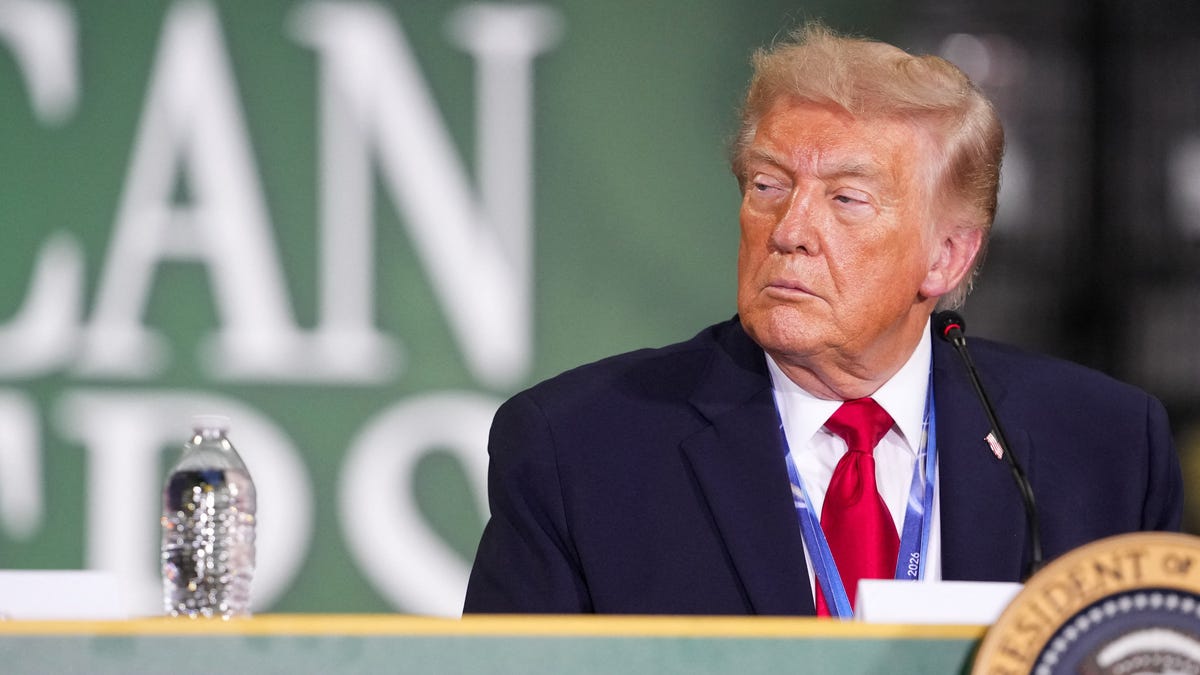
The premature termination of Donald Trump’s interview on NBC’s Meet the Press with Kristen Welker highlights a structural shift in how political figures manage institutional media engagement. By abruptly concluding the session during inquiries regarding California’s electoral administration, the former president demonstrated a calculated preference for narrative control over the risks inherent in adversarial scrutiny.
This episode functions as a case study in the breakdown of traditional journalistic protocols. Rather than viewing the interview as a collaborative forum for public accountability, political actors increasingly treat such engagements as tactical risks, opting to exit when questioning deviates from preferred messaging.
Institutional Impact on Discourse
The subject’s reliance on unsubstantiated claims regarding electoral irregularities challenges the institutional credibility of democratic systems. When political rhetoric diverges from established procedural reality, it creates a persistent tension that complicates the role of legacy media as a neutral arbiter of facts. For institutions, this creates an operational paradox: how to maintain rigorous questioning without triggering an exit that halts the flow of information.
Strategic Ambiguity in Policy Communication
The interview also revealed a disconnect between past executive policy and current public positioning, particularly concerning international security and Iran’s uranium enrichment. The defense of abandoned financial initiatives—such as the $1.8 billion anti-weaponization fund—demonstrates a pivot toward rhetorical flexibility over policy consistency. For observers, this ambiguity underscores the difficulty in discerning the trajectory of executive policy when messaging is prioritized over evidence-based communication.
The Role of Narrative Control
Abandoning the interview serves as a deliberate strategy to limit the exposure of policy positions to critical analysis. This trend signals a transition where the political interview is increasingly viewed as an obstacle to be bypassed rather than a vehicle for public information. As the focus shifts from the substantive content of policy to the performance of the exit itself, the space for civil, evidence-based debate effectively narrows.
Institutional Consequences and Fragmentation
The broader implications of this behavior suggest a weakening of the traditional compact between political leaders and the press. When leaders reject the premise of institutional oversight, they effectively delegitimize the media’s role as an intermediary, encouraging a shift toward direct-to-audience communication models. This transition risks fragmenting the information ecosystem, where voters consume information from increasingly siloed, non-critical sources.
Synthesis of Political and Media Dynamics
The convergence of electoral skepticism and the rejection of institutional scrutiny marks a departure from the established norms that have historically governed executive-media relations. The event reveals a systemic move away from accountability mechanisms, necessitating that observers adopt more rigorous analytical frameworks to distinguish between substantive policy intent and tactical maneuvers designed to evade scrutiny.
Photo by geralt on Pixabay.