
Strategic Decentralization of Fan Engagement
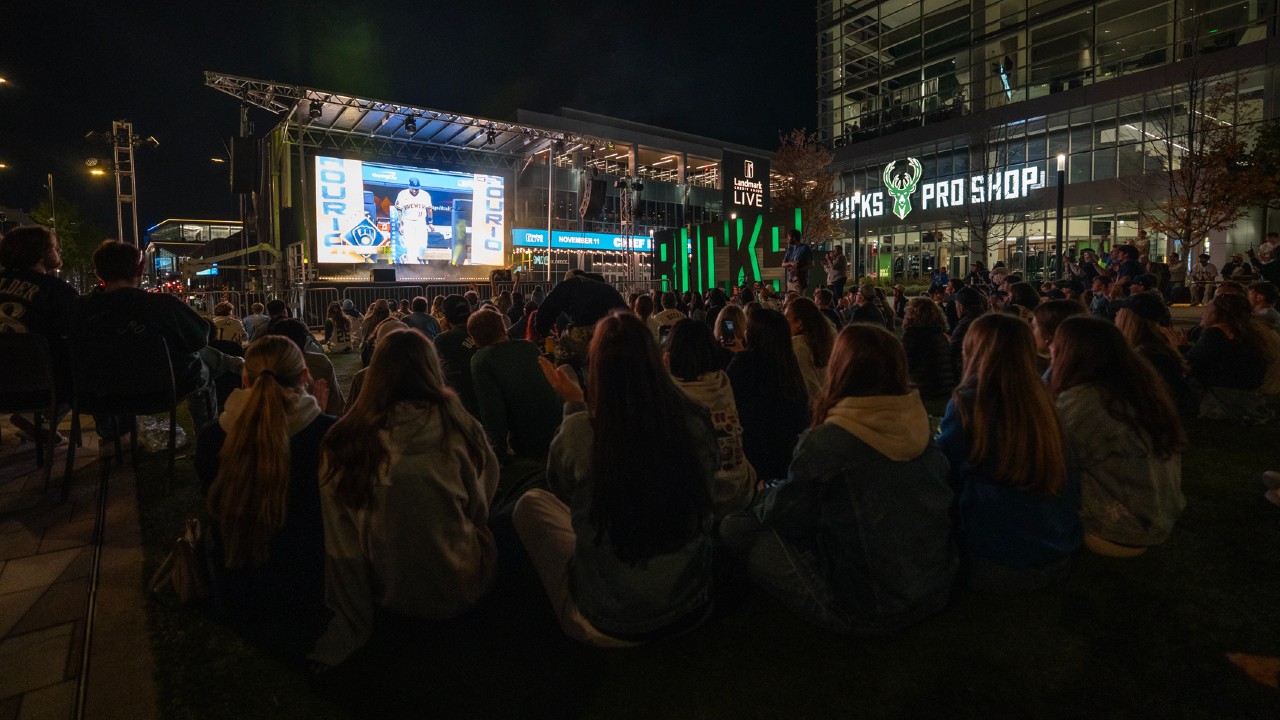
The Milwaukee Brewers’ 2026 World Series appearance—ending a 44-year championship latency—represents a shift toward a ‘distributed spatial logic’ in sports management. Moving away from the centralized density of the 2021 Deer District model, the franchise has implemented a decentralized network of municipal watch parties. This operational pivot optimizes public safety by mitigating logistical bottlenecks while simultaneously broadening the commercial footprint across the metropolitan area’s secondary corridors.
Capitalizing on Intergenerational Brand Equity
The four-decade championship drought has synthesized a unique reservoir of latent brand equity and pent-up consumer demand. Institutional stakeholders are observing a surge in secondary market activity, where the scarcity-driven value of the current series drives premium pricing for hospitality and commemorative retail. A 2-0 series lead, secured via high-leverage 3-2 and 5-4 victories, has accelerated capital movement into the regional sports economy, transitioning the event from a seasonal highlight to a significant macroeconomic milestone.
Operational Dynamics of the Traveling Fanbase
The significant migration of supporters to Tropicana Field underscores the high disposable income and mobility of the Brewers’ core demographic. This ‘traveling contingent’ functions as a psychological asset, neutralizing traditional home-field advantages. For host venues, this influx necessitates complex security and transit coordination, while providing an immediate injection of tourism revenue that validates the franchise’s national brand reach.
Comparative Structural Analysis
Contrasting the 2021 Bucks’ title run with the 2026 Brewers campaign reveals distinct league-specific monetization strategies. While the NBA model prioritized a singular, high-density media focal point, the MLB approach in Milwaukee emphasizes community-wide socioeconomic integration. This distribution ensures infrastructure resilience and sustains economic impact over the extended duration of a seven-game series, spreading fiscal benefits across a diverse array of municipal stakeholders.
Narrative Arbitrage and Sponsorship Leverage
The ‘small-market resilience’ narrative has significantly appreciated the value of remaining advertising inventory. Broadcasters are leveraging the emotional gravity of overcoming a 44-year drought to capture national attention, expanding the Brewers’ brand beyond its regional origins. For corporate partners, the high-intensity engagement of a closely contested series translates into deeper emotional connections and increased impressions within a captive audience.
Institutional Resilience and Market Positioning
The 2026 World Series run serves as a case study in strategic capital allocation and sustainable roster construction. By navigating the economic disparities inherent in Major League Baseball, the Brewers’ front office has validated a blueprint for small-market success. A potential title would reset the franchise’s commercial trajectory for the next decade, enhancing its market positioning and attracting long-term institutional investment.

Photo by Veronika_Andrews on Pixabay.