Strategic Capital Deployment and Defensive Gravity
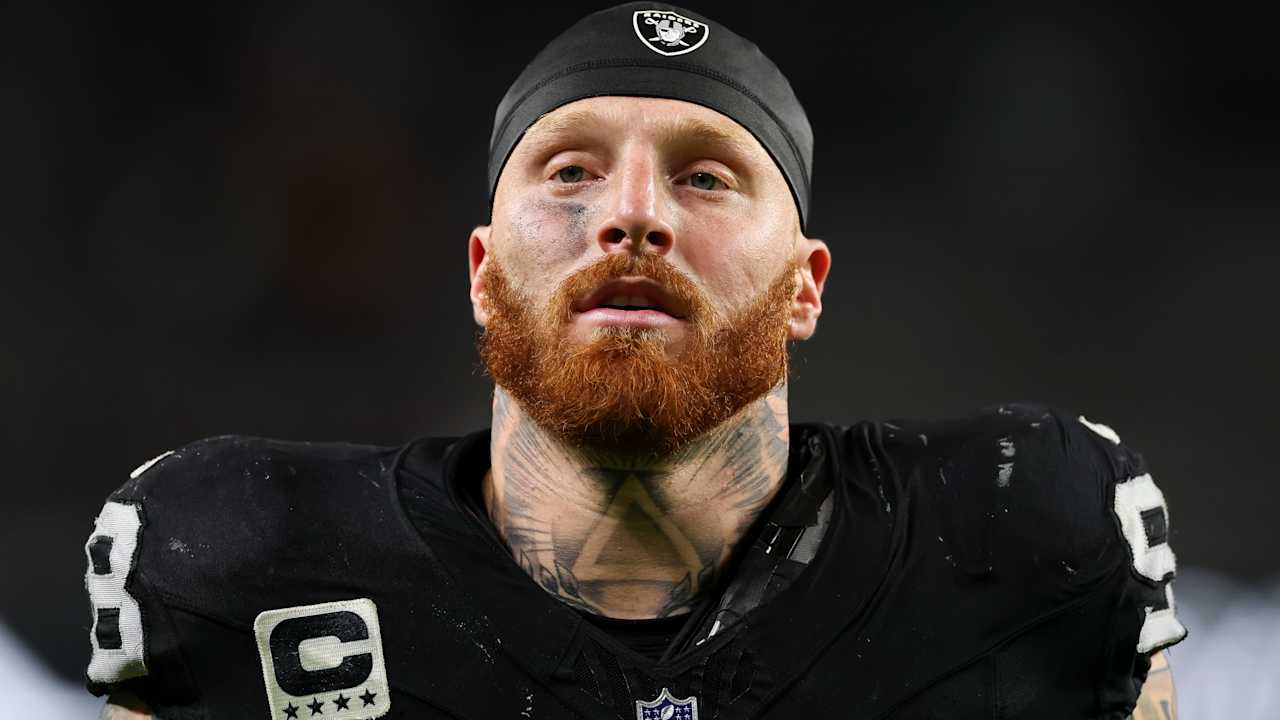
The Baltimore Ravens’ acquisition of five-time Pro Bowl edge rusher Maxx Crosby from the Las Vegas Raiders represents a watershed moment in NFL asset management. By surrendering two first-round picks—including a high-leverage No. 14 overall selection—Baltimore has prioritized proven, elite-tier defensive production over the speculative value of future draft equity. This move creates a ‘defensive gravity’ in the AFC North, pairing Crosby with an already robust system to neutralize the high-octane passing attacks of divisional rivals.
The AFC North Arms Race: Forcing Tactical Recalibration
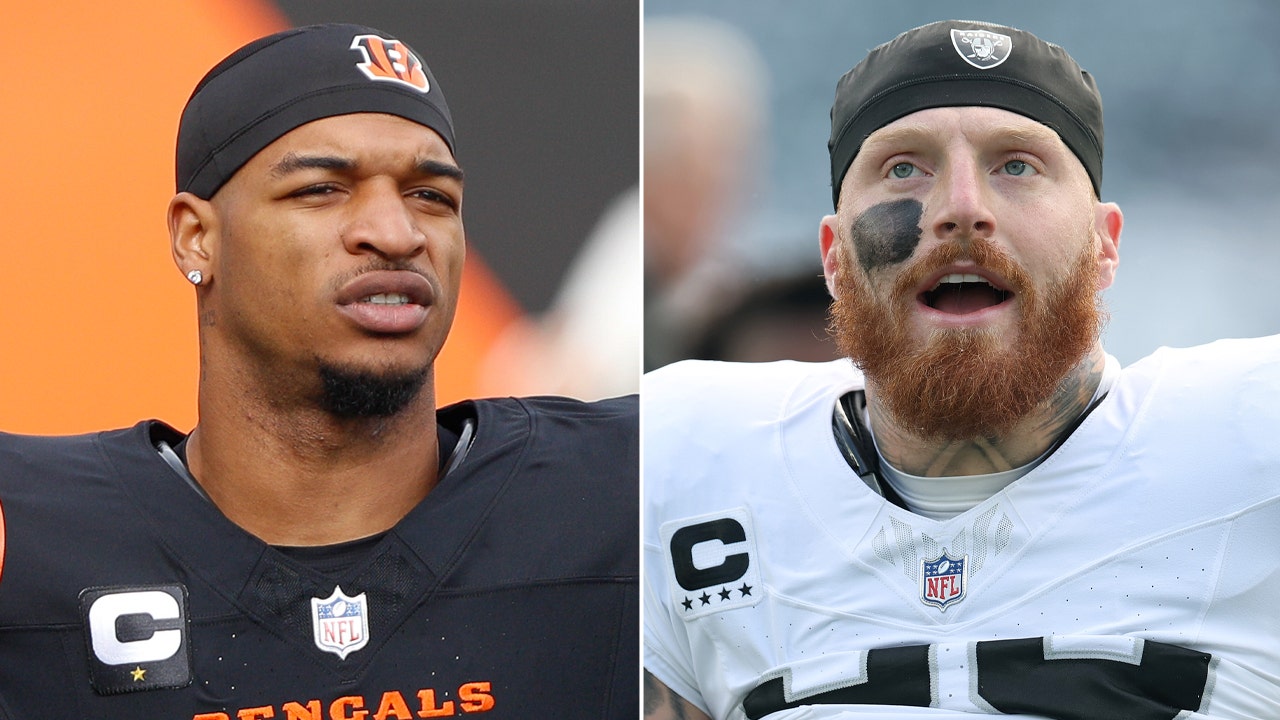
The integration of Crosby into the Ravens’ front seven fundamentally alters the mathematical calculus for opposing offensive coordinators. Competitors like the Cincinnati Bengals must now accelerate their offensive line development to counter a divisional pass-rush gauntlet that features Myles Garrett, T.J. Watt, and now Crosby. The visceral reaction from stars like Ja’Marr Chase serves as a leading indicator of the psychological and operational pressure this trade exerts on the division’s offensive structures.
Divergent Organizational Philosophies: Contention vs. Reconstruction
This transaction highlights a stark divergence in long-term strategy. For Baltimore, the trade is a maximum-leverage play to exploit a championship window while their core roster remains in its physical prime. Conversely, the Raiders have opted for a ‘strategic pivot,’ liquidating a cornerstone asset to fund a multi-year organizational overhaul. The two first-rounders secured by Las Vegas set a new market benchmark for elite defensive ends nearing the apex of their market value.
Operational Risks and Integration Metrics
While the trade minimizes performance risk due to Crosby’s consistent Pro Bowl-caliber floor, the Ravens face the challenge of salary cap amortization. Balancing a top-of-market contract for a defensive anchor requires surgical precision in subsequent roster-building cycles to avoid depth attrition. For the Raiders, the success of this deal hinges entirely on asset conversion; the front office must now translate draft capital into foundational starters to justify the departure of a franchise leader.