Strategic Scarcity: The 2026 Lunar Transition
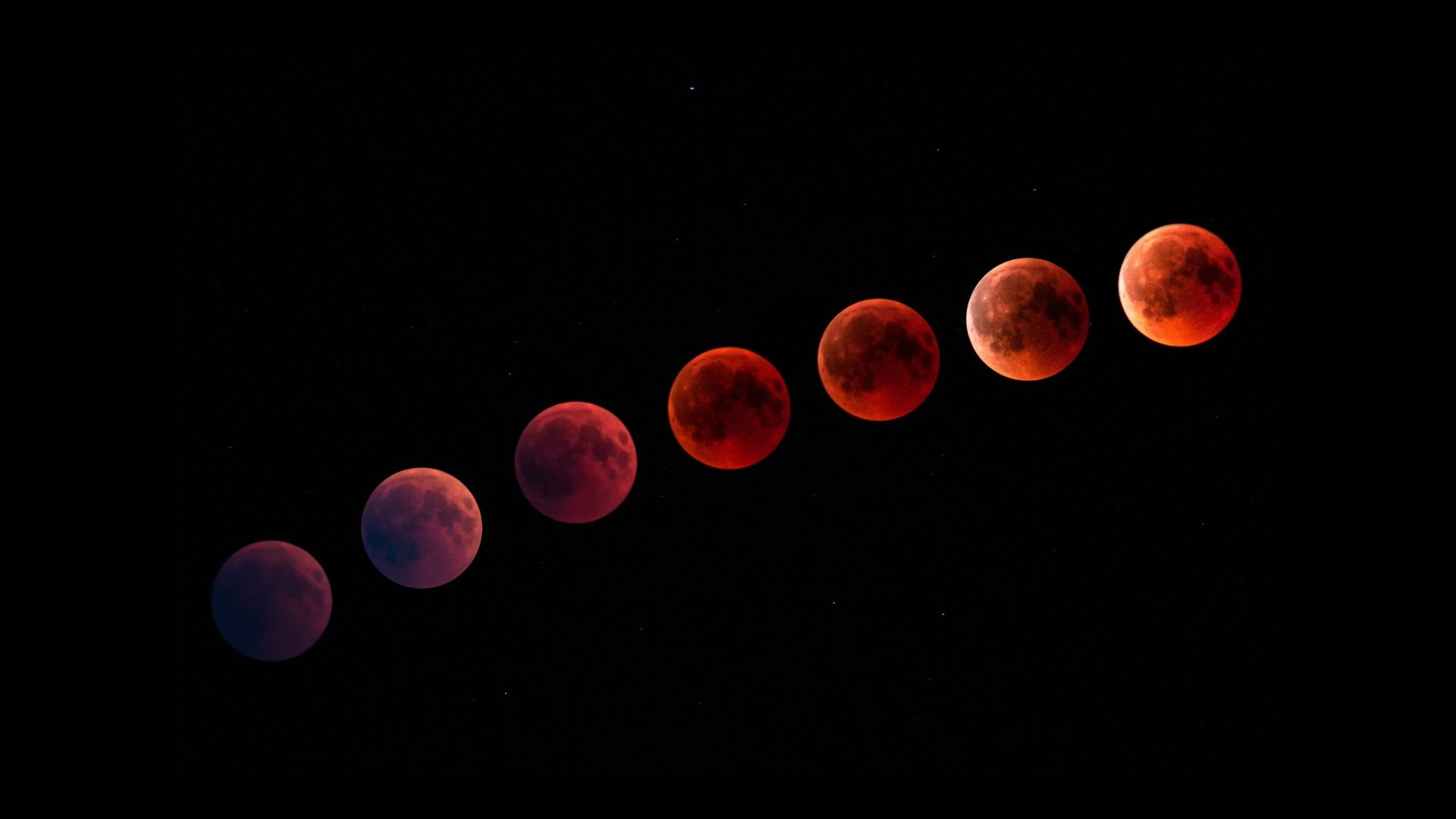
The total lunar eclipse of March 3, 2026, functions as a critical temporal bottleneck for the global experience economy. As the final umbral totality until late 2028, this event triggers a period of astronomical scarcity that will reconfigure tourism cycles and media programming for the next 24 months. Stakeholders in the travel and hospitality sectors across the Pacific Rim and North America are positioned to capture outsized value during this final high-visibility window.
This front-loaded demand profile necessitates immediate operational optimization. Unlike more frequent celestial events, the 2026 eclipse serves as the primary revenue catalyst for astrotourism before a prolonged market cooling. Organizations managing dark sky reserves must scale capacity to accommodate an international influx of enthusiasts seeking to capitalize on this specific 12-minute window of totality.
Geographic Arbitrage and Regional Visibility
The March 2026 event establishes a stark divide in global visibility. While North America, Australia, and Eastern Asia serve as primary theaters, Europe and Africa remain entirely excluded. This geographic imbalance shifts global capital flows toward the Western Hemisphere and Asia-Pacific. However, internal regional disparities exist; the Eastern United States faces a ‘dawn conflict,’ where the eclipse intersects with morning twilight at 6:04 AM ET, necessitating precise urban planning to avoid infrastructure-based obstruction.
Conversely, the Western United States and Pacific regions benefit from superior temporal placement. With totality occurring at 3:04 AM PT in Los Angeles, these regions offer a darker sky background, significantly enhancing visual contrast for high-end astrophotography and scientific data collection. This disparity drives a price premium for high-altitude, low-obstruction viewing sites in the American West and remote Pacific archipelagoes.
Operational Constraints of the 12-Minute Window
The brevity of the 12-minute totality places unprecedented pressure on technical execution. This compressed timeframe requires rigorous pre-event calibration for broadcasters and researchers alike. For media entities, the short duration demands a high-density content strategy, prioritizing rapid-fire delivery and high-resolution visual storytelling over traditional long-form live analysis.
Technical requirements for elevated vantage points are structural necessities rather than recommendations. The moon’s low altitude during the umbral phase increases the risk of atmospheric extinction and physical obstruction in urban environments. This constraint elevates the market value of rooftop venues, coastal horizons, and mountain observatories, creating a niche luxury tier within the broader astrotourism supply chain.
Institutional Leverage and Post-2026 Outlook
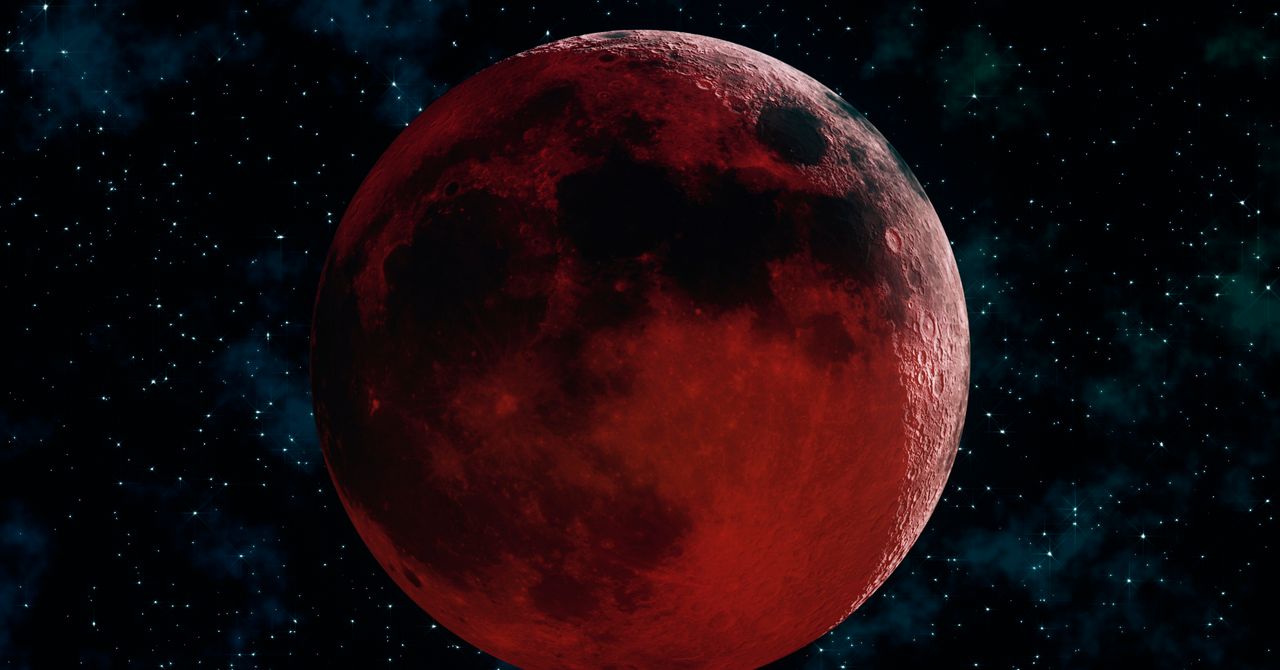
Beyond immediate commerce, the 2026 eclipse provides vital atmospheric data. The specific hue of the ‘blood moon’ serves as a proxy for global atmospheric transparency, allowing scientists to measure Rayleigh scattering and aerosol density. For educational institutions, the event acts as a high-engagement lever for STEM recruitment, using the ‘last chance’ narrative to drive public participation.
The subsequent two-year hiatus will shift the industry into a retrospective and planning phase. While partial eclipses will occur, none will match the cultural or economic impact of the March 2026 totality. Strategic planning for the December 2028/January 2029 cycle begins the day after this event, as the industry analyzes 2026 data to refine infrastructure for the next decade of lunar phenomena.