
Costco Wholesale Corporation is executing a sophisticated recalibration of its operational framework, targeting the dual objectives of margin protection and digital modernization. Historically, Costco’s liberal return policy functioned as a loss leader for membership retention. However, recent adjustments indicate an institutional pivot toward a high-friction verification model designed to curb the escalating costs of reverse logistics.
Mitigating Reverse Logistics Liabilities
The transition from frictionless returns to a documentation-heavy protocol represents a shift toward data-driven loss prevention. By mandating supervisor intervention and secondary approvals for standard household goods, Costco is introducing administrative hurdles that serve as a soft deterrent against policy exploitation. This institutional oversight aims to reduce the financial burden of open-box processing while gathering granular data on member return patterns to refine inventory procurement.
For long-term loyalists, this shift challenges the ‘unspoken psychological contract’ of the warehouse model. While individual friction points—such as increased wait times and mandatory receipts—may appear localized, they collectively represent a strategic effort to protect razor-thin margins. In an environment of fluctuating supply chain costs, the autonomous discretion previously granted to front-line staff is being replaced by centralized, audit-ready decision-making.
Digital Integration and Labor Optimization
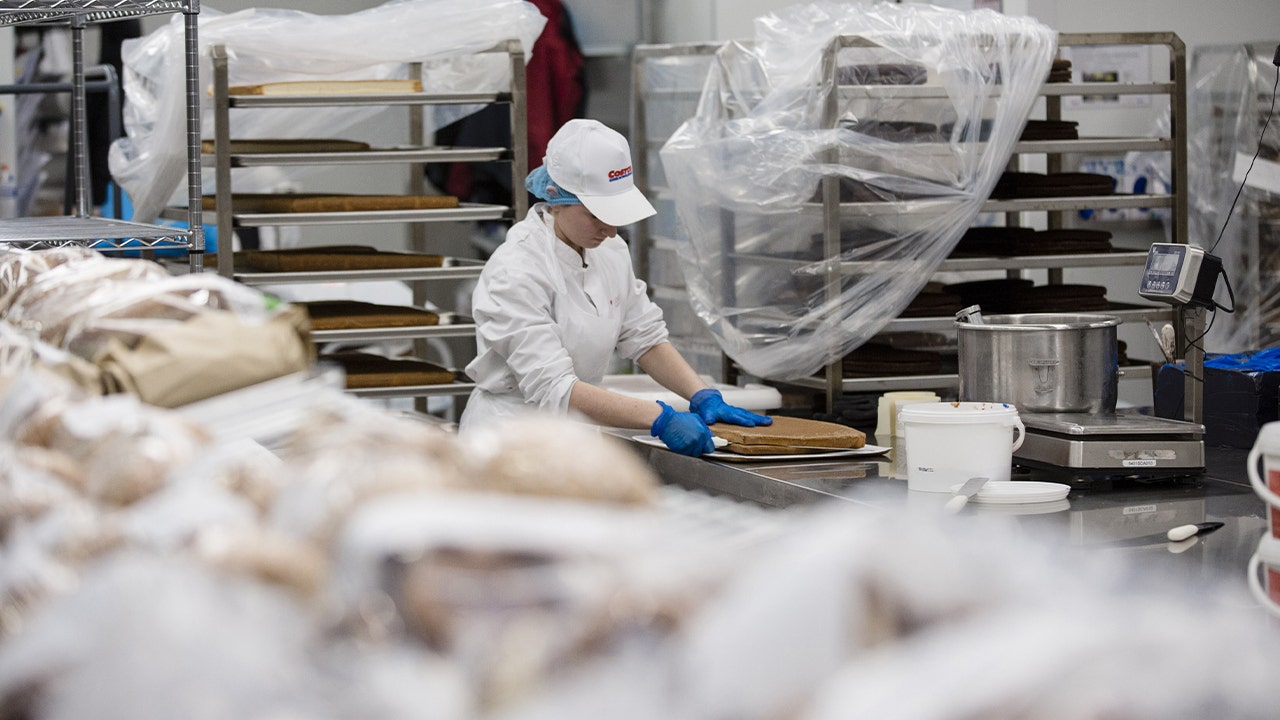
Parallel to its return policy tightening, Costco is addressing legacy inefficiencies through the digital transformation of its service departments. The migration of custom bakery and deli orders to a mobile-first interface marks the obsolescence of paper-based systems. This transition is less about consumer convenience and more about labor reallocation; by digitizing the ‘clunky’ manual entry processes noted by CEO Ron Vachris, Costco optimizes production schedules and minimizes human error in high-volume custom fulfillment.
The move to digital ordering also solves a critical data silo problem. Physical order forms provided zero visibility into predictive demand; digital records, however, enable sophisticated inventory modeling for perishable ingredients. This shift aligns Costco with the technological baselines established by competitors while transitioning the bakery and deli from manual cost centers to data-integrated production units.
Addressing Supply Chain Integrity and Reputation
The emergence of reports regarding non-functional third-party gift cards introduces a variable of reputational risk. These failures, often rooted in activation synchronization or supply chain breaches, threaten the ‘curated value’ proposition of the Costco membership. To maintain institutional trust, the retailer must reconcile its drive for efficiency with the necessity of rigorous third-party auditing, ensuring that ancillary revenue streams do not undermine core brand equity.
Competitive Positioning in the Warehouse Sector
Costco’s digital upgrades serve as a defensive maneuver against the advanced mobile ecosystems of rivals like Sam’s Club. By focusing on specific ‘clunky’ pain points rather than a total system overhaul, the company maintains its conservative capital expenditure strategy while achieving high-impact operational wins. The success of this pivot will be measured by the balance between the efficiency gains of digital ordering and the potential impact of stricter return protocols on membership renewal rates.
Ultimately, Costco is evolving from a relationship-based service model to a data-centric logistics engine. As the membership base skews toward tech-native demographics, the trade-off between physical friction at the return counter and digital ease in the bakery will define the company’s ability to scale in a post-paper economy.
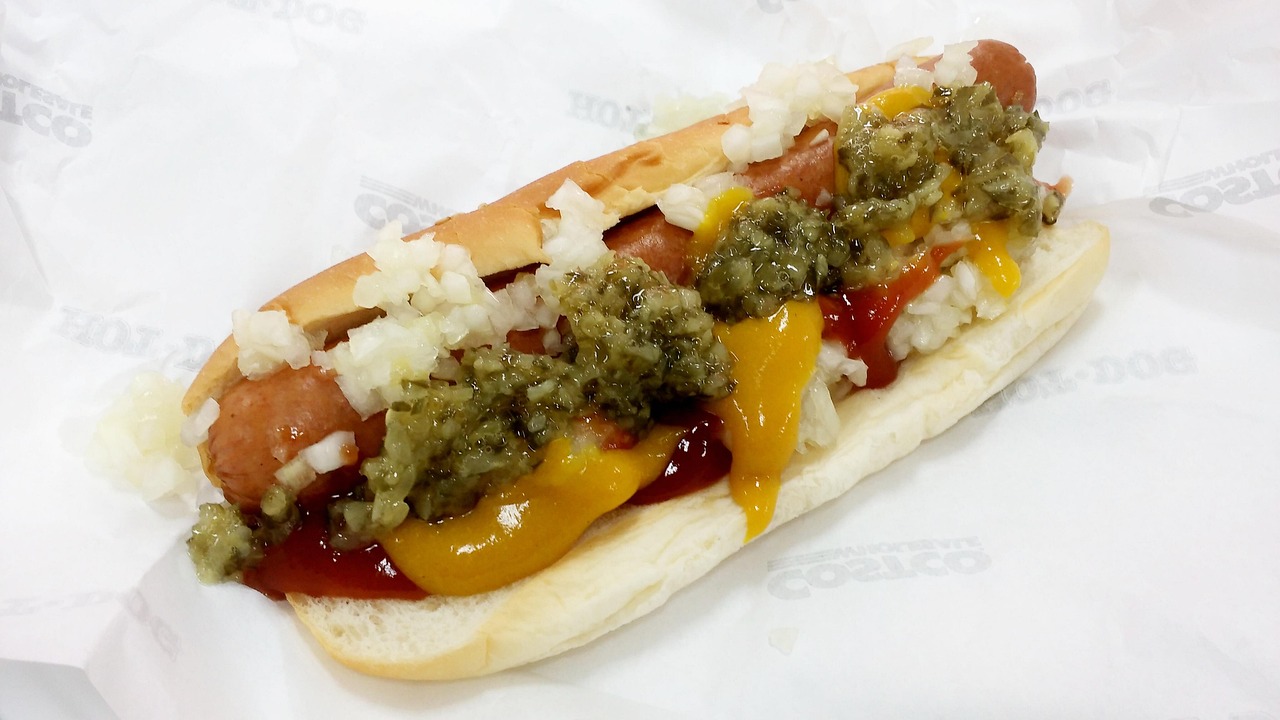
Photo by bosutn on Pixabay.