Central Park Fatality Underscores Urban Safety Challenges
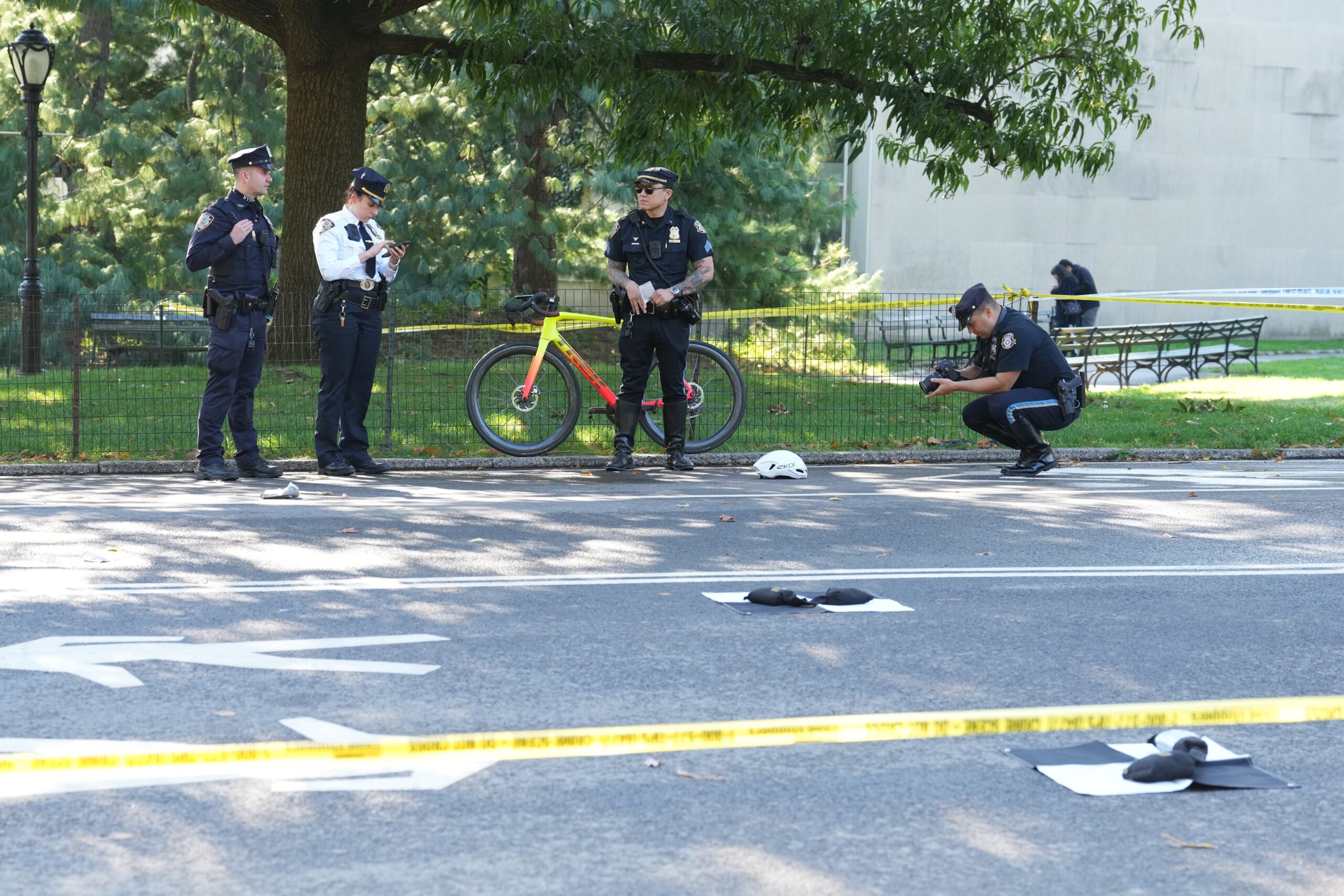
A 71-year-old cyclist died following a collision with an unleashed dog in Central Park, an incident that starkly illustrates the risks present in shared urban recreational spaces. The event, occurring near East 84th Street, saw the cyclist, who was wearing a helmet, thrown from his bicycle upon impact. This fatality immediately amplifies concerns regarding the effectiveness of existing park regulations and their enforcement, particularly in busy areas during designated off-leash hours.
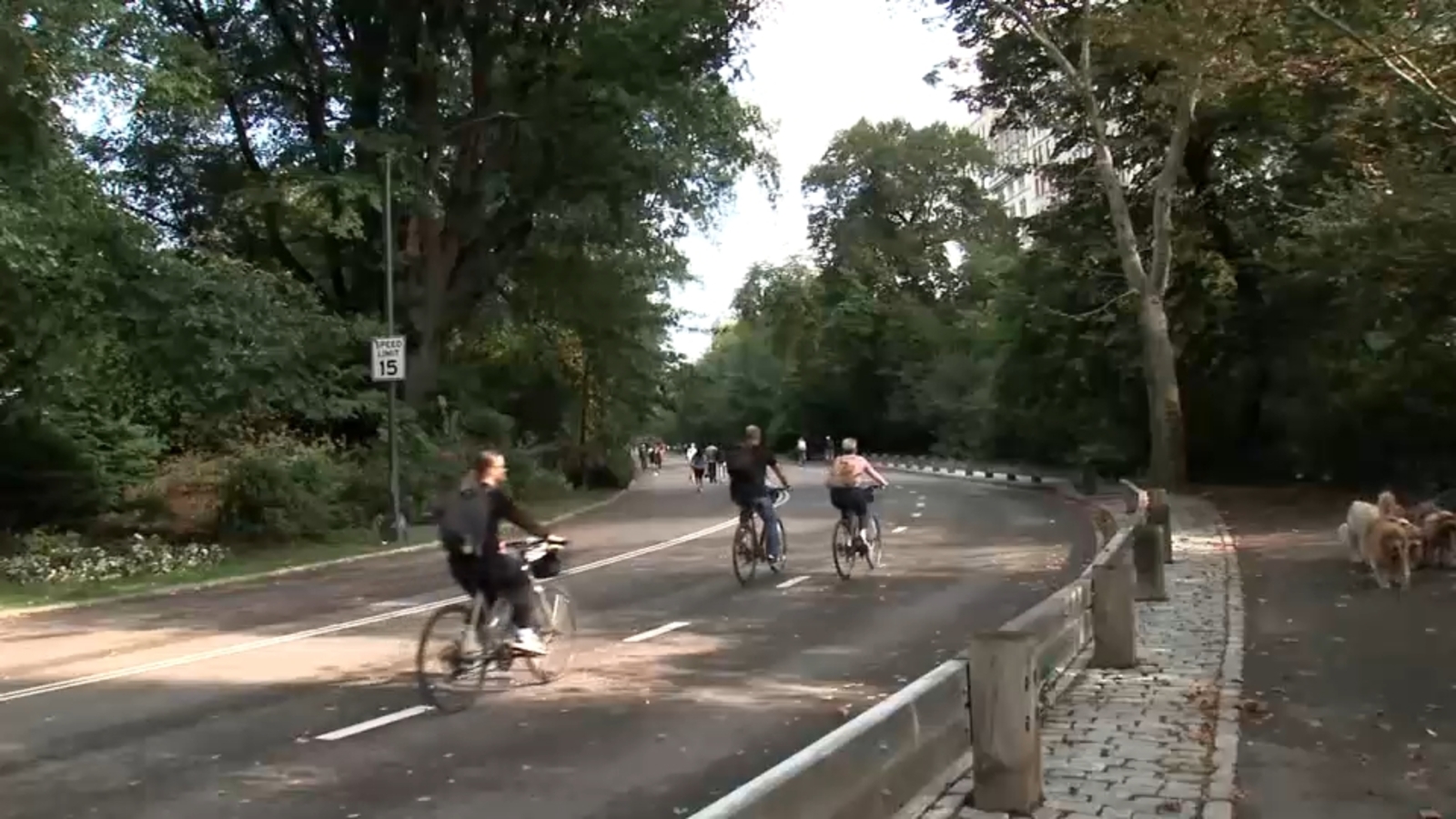
The collision happened during the permitted window for unleashed dogs in much of Central Park (6 a.m. to 9 a.m.). However, park rules mandate that dogs must be leashed at all times on park drives—the very location of this accident. This specific rule highlights a potential disconnect between general off-leash allowances and strict leash requirements on paved paths, suggesting that user awareness and adherence to nuanced regulations are critical failure points.
Emergency services transported the injured cyclist to New York Presbyterian Hospital, where he was pronounced deceased due to severe head and body trauma. The owner of the golden retriever remained at the scene; the dog was reportedly unharmed. The aftermath of such incidents often involves intense scrutiny of the animal’s owner and the circumstances of the dog being off-leash, but the broader implications extend to park management and regulatory bodies.
Witnesses reported that speed and congestion at intersections pose significant safety hazards. This sentiment is amplified by the fact that this is the second fatal incident involving a cyclist and another park user in the same area within a month. The previous event resulted in the death of a pedestrian, prompting calls for enhanced safety measures from the Central Park Conservancy. This pattern suggests systemic issues, demanding a re-evaluation of traffic management and user behavior policies within the park.
Institutional Response and Regulatory Scrutiny
Following the earlier pedestrian fatality, the Central Park Conservancy emphasized the need for all park users to comply with rules and respect others, framing the park as a shared space requiring mutual conduct. This principle is directly challenged by the recent incident, which occurred even when leash laws were ostensibly being observed, yet still led to a tragic outcome due to the dog’s presence on a park drive. The Conservancy’s reliance on user compliance appears insufficient to prevent severe accidents.
Park authorities face the operational challenge of balancing the recreational needs of diverse user groups—cyclists, pedestrians, dog owners—with the imperative of universal safety. The specific rules on off-leash hours and leash requirements on drives indicate an attempt to manage these competing interests. However, repeated fatalities suggest a failure in rule clarity, enforcement mechanisms, or the inherent risks of high-speed human and animal movement in a dense urban environment.
The financial implications for the Central Park Conservancy and the city’s Parks Department are potentially substantial. Beyond immediate response costs, these include potential liability and the necessity for investment in enhanced safety infrastructure or enforcement personnel. The recurrence of such incidents may also escalate public pressure for stricter regulations, potentially altering the experience for all park users, including dog owners who currently utilize designated off-leash times.
Cascading Effects on Urban Park Management
The two fatalities in rapid succession are likely to trigger a comprehensive review of Central Park’s safety protocols and enforcement strategies. Potential outcomes include increased patrols, deployment of new monitoring technologies, or revisions to off-leash hours and zones. Such changes would significantly alter park management and visitor experience.
These incidents may serve as a case study for other major urban parks facing similar challenges of user density and diverse recreational demands. Decisions made in response to these Central Park tragedies could set precedents for park management policies nationwide, influencing how safety is prioritized alongside access and varied recreational opportunities.
The competitive landscape among urban parks could also be indirectly affected. Parks demonstrating superior safety through effective management may gain a reputational advantage, influencing visitor patterns. Conversely, persistent safety concerns could erode public trust and deter park engagement, impacting the park’s role as a vital urban amenity.
Broader Implications for Public Space Governance
The fatalities underscore a broader societal challenge in managing public spaces with multiple users and potentially conflicting interests. Legal and administrative frameworks governing these spaces are continuously tested by the dynamic interplay of human behavior, animal presence, and the physical environment. The Central Park incident highlights the delicate balance needed to maintain order and safety without unduly restricting freedom of use.
The importance of public awareness campaigns and educational initiatives cannot be overstated. Rules’ effectiveness hinges on widespread understanding and voluntary compliance. While the Conservancy implies shared responsibility, repeated tragedies suggest this may be insufficient to mitigate inherent risks in a complex, multi-use urban park.
The economic impact of such incidents is also significant. Perceived safety directly influences tourism and local economic activity linked to the park. Sustained high-profile accidents could deter visitors, impacting businesses reliant on park patronage, from food vendors to nearby cultural institutions. This economic dimension amplifies the urgency for effective safety solutions.
Operational and Strategic Repercussions
The operational burden on park staff and law enforcement is likely to increase, potentially requiring more resources for compliance monitoring, incident response, and dispute mediation. This increased demand can strain budgets and necessitate difficult prioritization for park management.
Strategically, the Central Park Conservancy and other urban park authorities may need to adopt more proactive, data-driven safety management. This could involve analyzing accident data to identify high-risk zones and times for targeted interventions. The current approach, heavily reliant on existing regulations and user compliance, may require evolution to incorporate more robust preventative measures.
The capital investment for enhanced safety could be substantial. This might include redesigning pathways for better visibility or separation, installing advanced surveillance, or developing sophisticated communication platforms for safety alerts. Financial commitment will depend on the perceived risk severity and the political will to address it.
Performance Leverage and Future Policy Direction
Park management’s performance leverage will be measured by their ability to reduce incident frequency and severity. Success will be defined by measurable accident reduction, improved user safety satisfaction, and sustained positive public perception. Failure risks significant reputational damage and loss of public confidence.
The policy direction may favor more prescriptive park usage, potentially leading to tighter restrictions on high-risk activities. This represents a significant shift from the current open-access philosophy, emphasizing greater risk aversion in public space management. The debate will likely focus on balancing necessary regulation with preserving the park’s character as a place for diverse enjoyment.
The long-term impact on institutional strategy for organizations like the Central Park Conservancy will be profound. They must demonstrate a clear, effective safety strategy, potentially involving stronger partnerships with law enforcement, investment in advanced analytics, and more robust public education. These incidents mark a critical inflection point, demanding strategic recalibration to meet evolving safety expectations in a complex urban ecosystem.
Central Park’s competitive positioning as a premier urban green space is also at stake. A reputation for safety is a critical asset for attracting local residents and international tourists. Any perceived safety decline could divert visitors to other recreational areas, impacting the park’s overall utility and economic contribution to the city.
The operational framework for managing human-animal interactions in public spaces will undoubtedly be re-examined. This includes not only dog-walking regulations but the broader question of integrating animal presence safely and harmoniously into urban environments. The current incident suggests existing protocols may be insufficient for managing the unpredictability of animal behavior in a high-stimulus environment like Central Park.
Ultimately, the Central Park cyclist fatality is more than a tragic accident; it is a symptom of the complex challenges inherent in governing high-density urban public spaces. The response to this event will likely shape park management policies, enforcement strategies, and public discourse on safety and shared responsibility for years to come, influencing the operational and strategic priorities of park authorities and potentially urban planning paradigms globally.