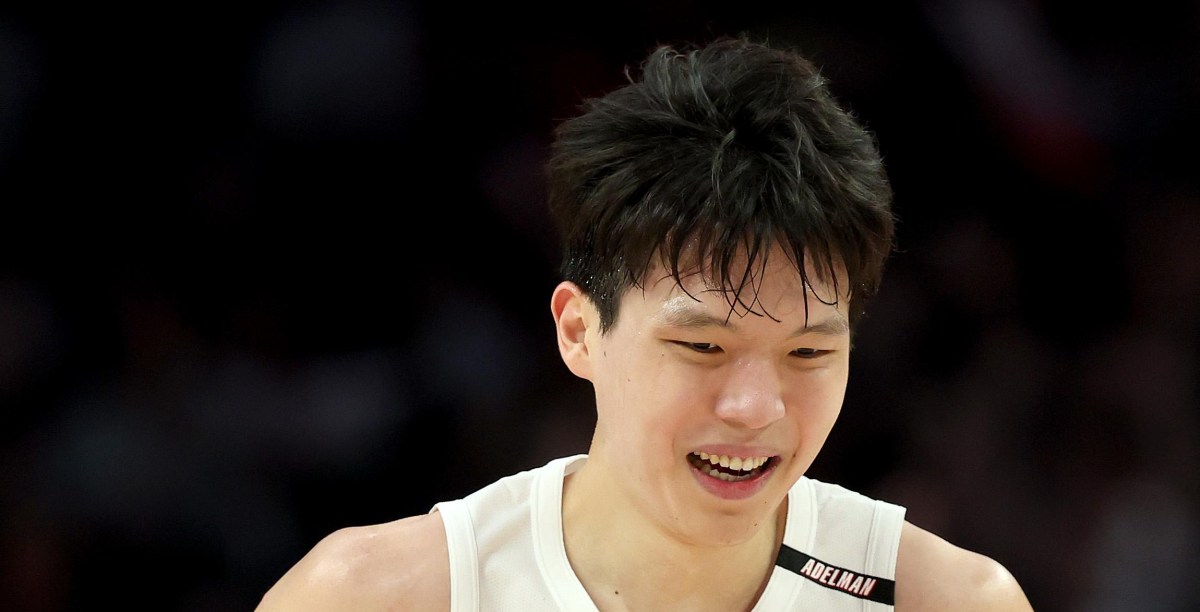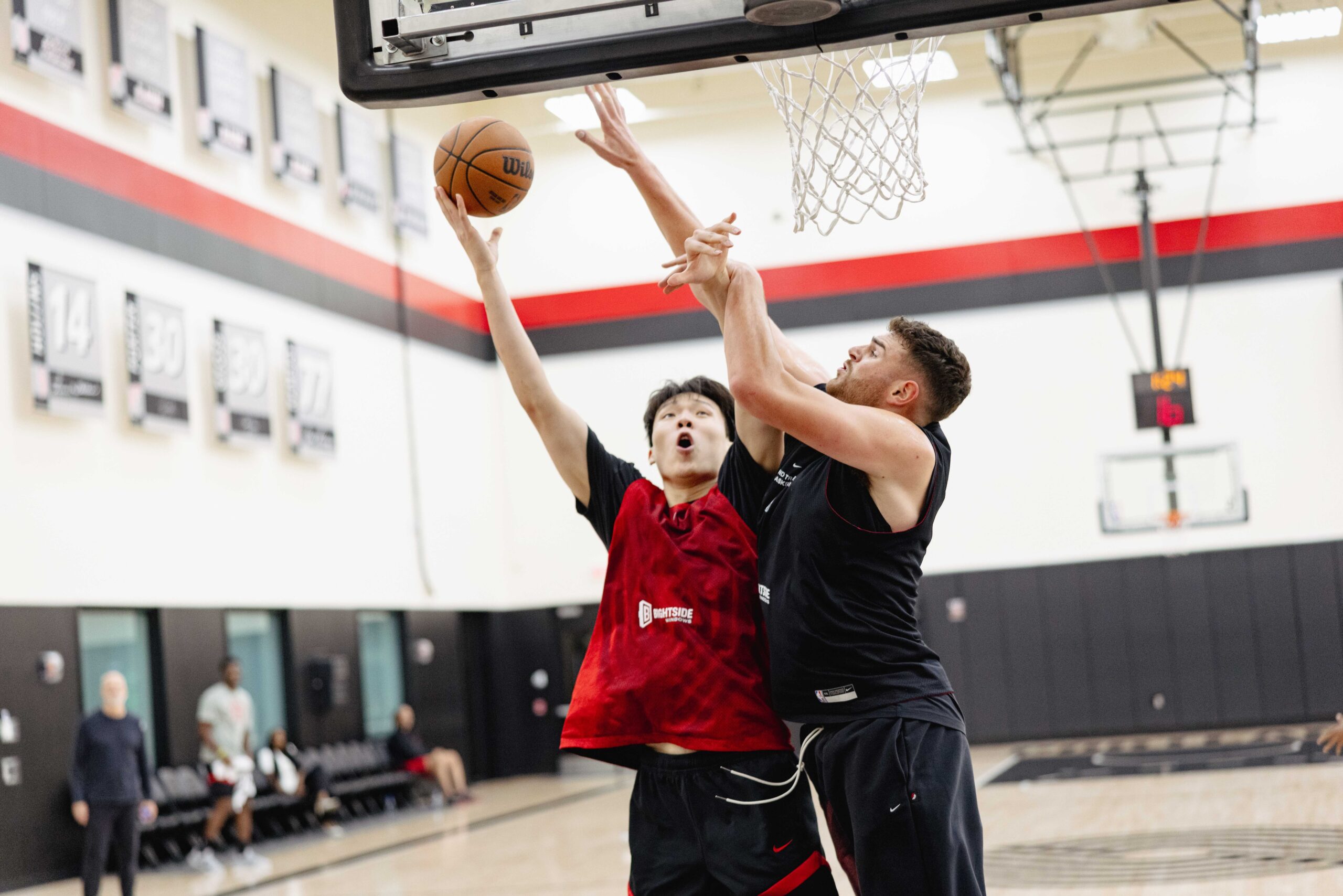
The Portland Trail Blazers executed dual frontcourt transactions on October 29, 2026, recalling center Yang Hansen from their NBA G League affiliate, the Rip City Remix, while formally exercising rookie-scale team options on both Hansen and center Donovan Clingan. The recall concludes a targeted 24-hour assignment initiated directly after Portland’s victory over the Los Angeles Lakers, positioning Hansen for immediate active-roster availability ahead of Thursday’s matchup against the Memphis Grizzlies.
Tactical Utility of the G League Pipeline
Hansen’s brief affiliate assignment highlights Portland’s structured use of proximity logistics. Because the Rip City Remix operate within the Trail Blazers’ local infrastructure, front-office personnel can shuttle developmental prospects between rosters during non-game days without disrupting travel itineraries. Transferring Hansen following the Lakers fixture permitted the coaching staff to administer controlled, high-intensity developmental reps and tactical film review rather than letting him remain idle between major-league fixtures.
However, administrative activation does not equate to rotational deployment. Modern developmental models decouple active dressing status from guaranteed floor time. Hansen’s recall establishes operational depth behind starting personnel, but his inclusion in live game action remains subject to game-flow dynamics, coaching matchups, and tactical pacing.
Rookie-Scale Options and Contractual Continuity
Concurrently, Portland solidified long-term frontcourt cost certainty by exercising the team options on Hansen and Clingan. Under NBA rookie-scale mechanics, executing these options prior to early-season deadlines cements guaranteed team control over the former first-round selections through the subsequent league year, eliminating early contractual volatility while preserving payroll efficiency.
Hansen, selected 16th overall in the 2025 NBA Draft, and Clingan represent substantial organizational capital committed to interior size. Exercising both options simultaneously validates the front office’s assessment that the two centers represent complementary assets rather than competing redundancies. The move establishes multi-year organizational continuity while safeguarding Portland’s balance sheet against escalating veteran center markets.
Rotational Realities and Developmental Precedents
Hansen’s rotational trajectory in his second professional campaign reflects disciplined gatekeeping. Through Portland’s opening three games, the center logged on-court minutes in only the season opener against the Phoenix Suns, where he posted five points and three rebounds across 12 minutes. He subsequently recorded DNPs against the Sacramento Kings and the Lakers, demonstrating that on-court deployment is driven strictly by opponent matchups rather than static depth-chart seniority.
This transactional pattern mirrors Hansen’s rookie season, during which he repeatedly cycled between Portland and the Remix to maintain competitive rhythm. For young international big men adapting to the speed and vertical spacing of the NBA, repeated G League assignments serve as a workload management tool rather than a performance demotion. Regular assignments provide structural conditioning that sideline observation and partial practice runs cannot simulate.
Matchup Preparedness for Memphis
The timing of Hansen’s recall addresses direct tactical demands against the Memphis Grizzlies. Known for interior physicality, secondary rim pressure, and aggressive offensive rebounding, Memphis poses specific frontcourt challenges that necessitate roster redundancy. Activating Hansen provides defensive insurance against frontcourt foul trouble while reintegrating him into tactical walkthroughs, shootarounds, and pick-and-roll coverage installations ahead of tip-off.