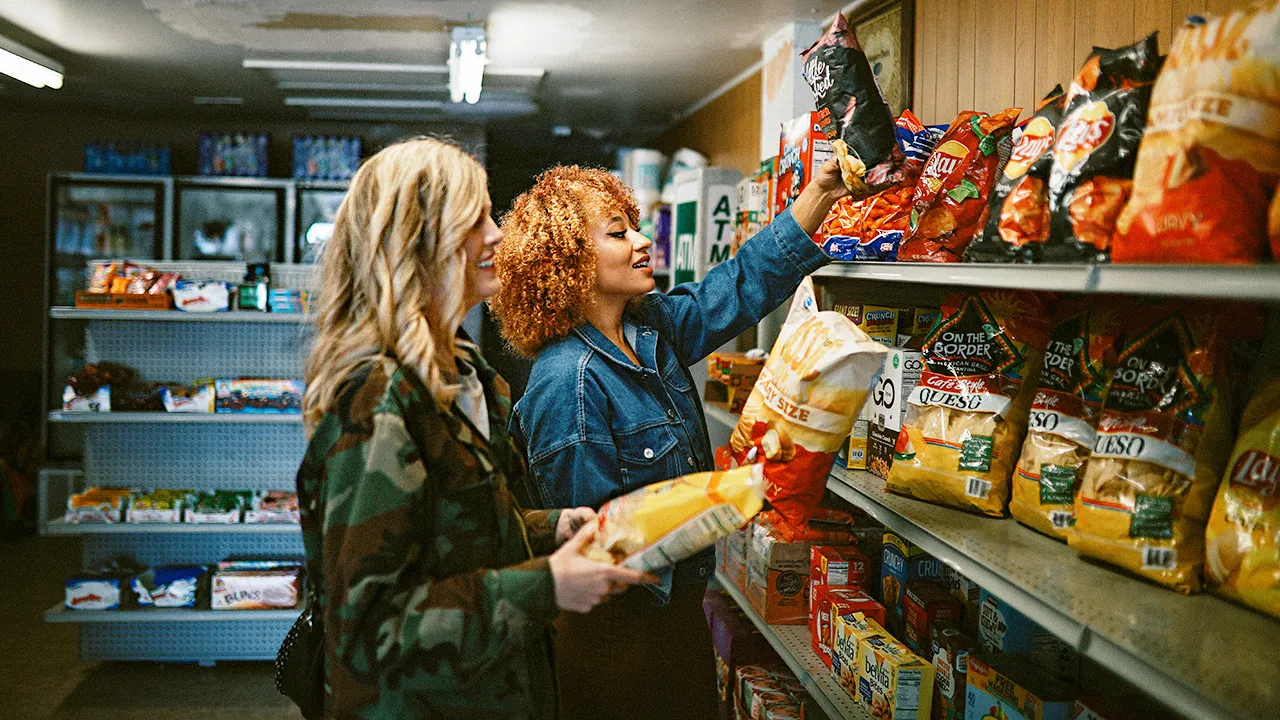
A structural recalibration is unfolding across U.S. grocery aisles as multinational consumer packaged goods (CPG) manufacturers systematically prune legacy product portfolios. Shoppers face the quiet elimination of historic breakfast staples, specialty dairy offerings, and frozen concentrates that held shelf space for decades. Far from temporary inventory bottlenecks, these exits reflect disciplined balance-sheet interventions designed to protect operational margins against margin dilution, high capital carrying costs, and shifting consumer demographics.
Balance Sheet Realities Driving 2026 SKU Rationalization
Corporate portfolio adjustments have transitioned from cyclical pruning to structural contraction. The Coca-Cola Company affirmed this trajectory through the retirement of its Minute Maid frozen juice concentrates—including orange juice, lemonade, and limeade formats. As confirmed by The Associated Press, evolving purchasing habits degraded consumer demand for manual reconstitution formats, exposing low-velocity stock-keeping units (SKUs) requiring continuous sub-zero logistics.
Simultaneously, PepsiCo enacted strategic measures targeting an estimated 20% contraction of its North American portfolio. The company’s capital allocation strategy increasingly prioritizes clean-label ingredient profiles and functional benefits over sprawling line extensions. Industry trade reporting, including tracking by food media outlets, indicates that dozens of regional and specialty snack varieties face targeted de-listing as production runs consolidate around core, high-velocity assets.
The Unit Economics of Shelf Space and Slotting Pressures
Every SKU maintained in commercial distribution incurs compounded friction across the supply chain, requiring dedicated factory tooling runs, custom packaging inventories, safety stock, and administrative tracking. When product velocity declines below target unit-per-store-per-week (UPSPW) thresholds, maintenance expenses outstrip marginal revenues.
This dynamic intensifies in specialized retail footprints. Commercial freezer cases represent among the highest operational expenditures on a supermarket’s balance sheet due to sustained electricity loads and capital equipment depreciation. Retailers calculate gross margin return on inventory investment (GMROII) down to the linear inch. Low-margin, low-turnover items like frozen concentrates yield unfavorable floor returns relative to higher-margin convenience meals and premium frozen treats, prompting grocers and brands to reallocate capacity cooperatively.
The Friction Between Emotional Equity and Volume Velocity
Algorithmic portfolio pruning frequently collides with entrenched consumer loyalty. A recent discontinuation of a legacy yogurt line by Dannon sparked swift consumer pushback, illustrating the gap between broad sales velocity and consumer sentiment. While specialty or niche iterations generate negligible contributions to enterprise EBITDA, their removal risks alienating valuable customer cohorts.
Modern retail distribution exacerbates this tension. Shoppers accustomed to perceived infinite variety on grocery shelves often misinterpret corporate SKU discontinuations as localized logistical stockouts. Because manufacturers rarely publish formal phase-out calendars, brand loyalty erodes quietly during the gap between production sunset and floor clearance.
Precedents in Portfolio Sunset Strategies
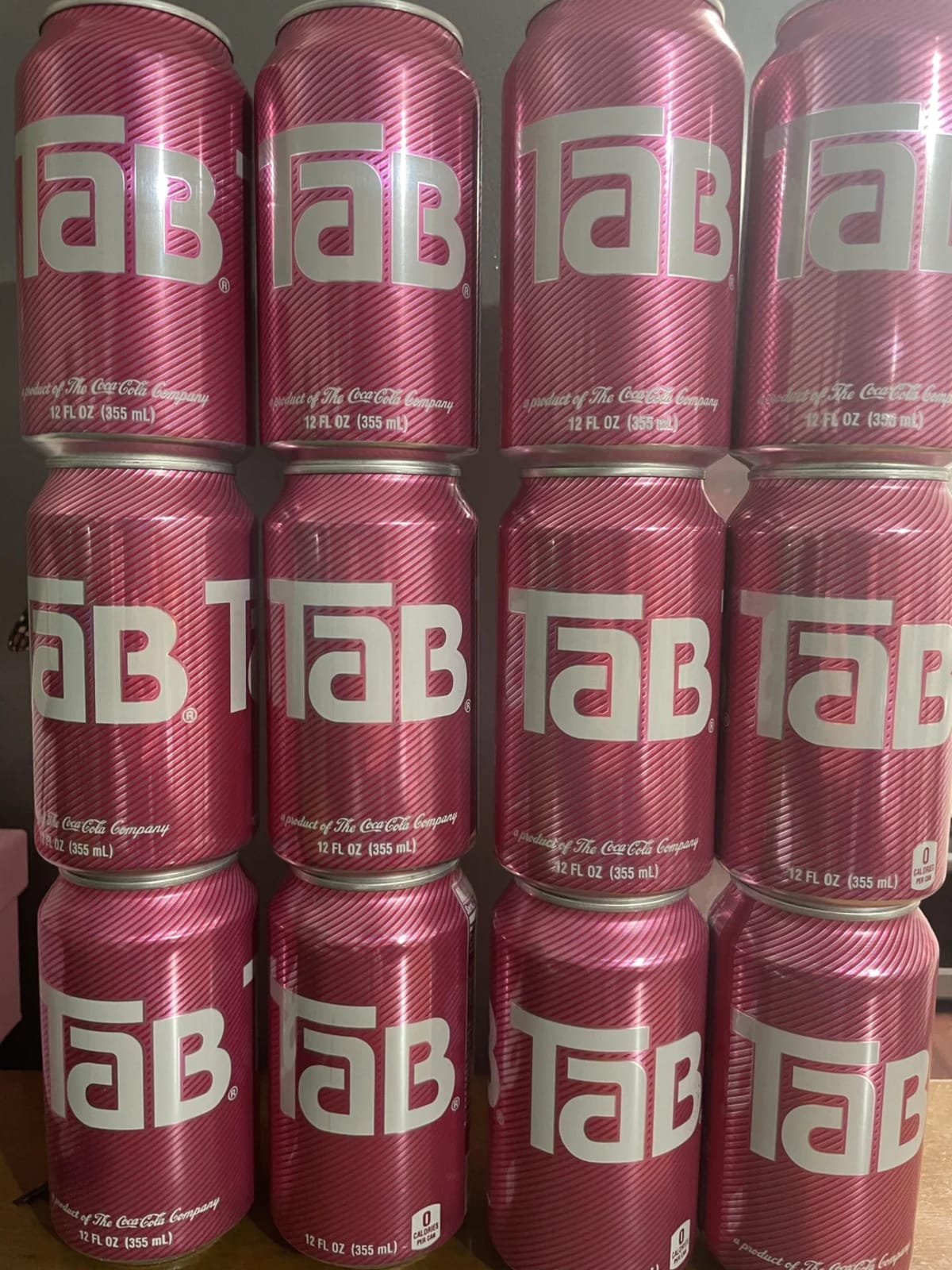
Quiet retrenchment has deep historical roots in food manufacturing. A classic benchmark is Coca-Cola’s 2020 retirement of Tab, its foundational diet soda launched in 1963. Despite maintaining an intensely loyal consumer base, the brand’s volume contribution failed to justify parallel packaging and distribution infrastructure amid core beverage competition.
Similarly, General Mills’ multi-decade formulation shifts with Trix cereal—alternating between natural dyes, artificial coloring, and fruit versus puff geometries—highlight the perpetual operational compromise between supply chain optimization, compliance mandates, and nostalgic consumer expectations.
Regulatory Pressures and Modern Formulation Costs
Beyond sales turnover, escalating regulatory scrutiny accelerates product terminations. Tightening federal and municipal standards on synthetic colorants, added sodium thresholds, and ultra-processed food classifications require costly formula redesigns. When legacy recipes rely on legacy food additives or obsolete manufacturing processes, compliant reformulations carry substantial research overhead with no guarantee of flavor retention.
Consequently, brand owners face a binary economic choice: absorb capital-intensive reformulation and brand repositioning costs, or decommission the SKU entirely to reallocate production bandwidth toward high-protein, functional, or clean-label formulations. For an increasing share of mid-tier consumer lines in 2026, retirement represents the lower-risk balance-sheet decision.
Outlook: The End of Unconstrained Assortment
The 2026 retail landscape signals the conclusion of rapid, post-pandemic line diversification. Food and beverage multinationals are concentrating enterprise capital around category-defining flagships and proven growth vectors. For modern shoppers, grocery aisles will increasingly feature standardized assortments optimized for strict inventory turnover, supply chain velocity, and modern nutritional profiles over nostalgic longevity.