The onset of the autumn broadcast window illustrates a synchronized pivot among subscription video-on-demand (SVOD) operators aiming to stabilize churn in critical transition quarters. Rather than competing through sheer volume, major networks and digital platforms are deploying concentrated release schedules that calibrate legacy intellectual property against targeted genre acquisitions to capture segmented viewing hours.
Disney+ exemplifies this retention-first approach with the digital rollout of Pixar’s Toy Story 5. Directed by Andrew Stanton and starring Tom Hanks alongside Tim Allen, the installment operates as both a customer acquisition vehicle and an assessment of franchise durability. By contrasting established character arcs with modern consumer technology motifs, the narrative probes digital-era friction. Critical consensus highlights a deliberate reallocation of focus toward secondary figures—most notably Jessie, voiced by Joan Cusack—to ground thematic progression within modern domestic realities without alienating multi-generational cohorts.
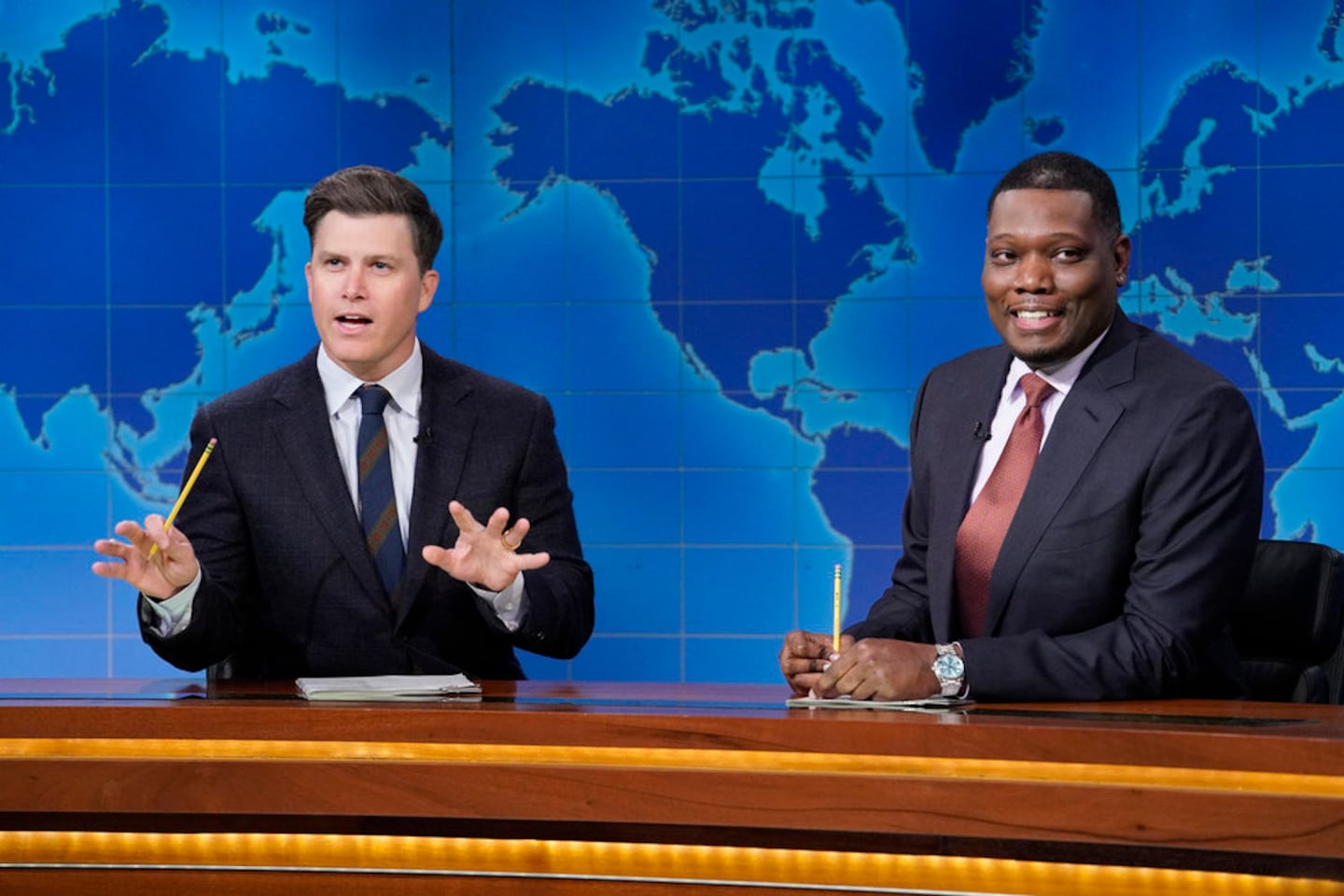
Simultaneously, linear-digital hybrids like NBCUniversal’s dual broadcast of Saturday Night Live on NBC and Peacock demonstrate institutional adaptation. Entering Season 52, the production integrates new cast additions Grace Reiter and Saidah Belo-Osagie. This personnel turnover addresses shifting comedy consumption patterns while maintaining the structural continuity necessary for broadcast ad tiers and next-day streaming monetization.
Counterprogramming remains central to concurrent platform plays. While Disney+ solidifies co-viewing demographics via animated family IP, competitors deploy niche vertical captures, such as the horror feature Backrooms on HBO Max. This calculated genre divergence demonstrates the broader fragmentation of SVOD catalog strategies, where platform utility is maintained through distinct target-audience insulation rather than homogenous broad-appeal programming.