Strategic Context and Toss Analysis
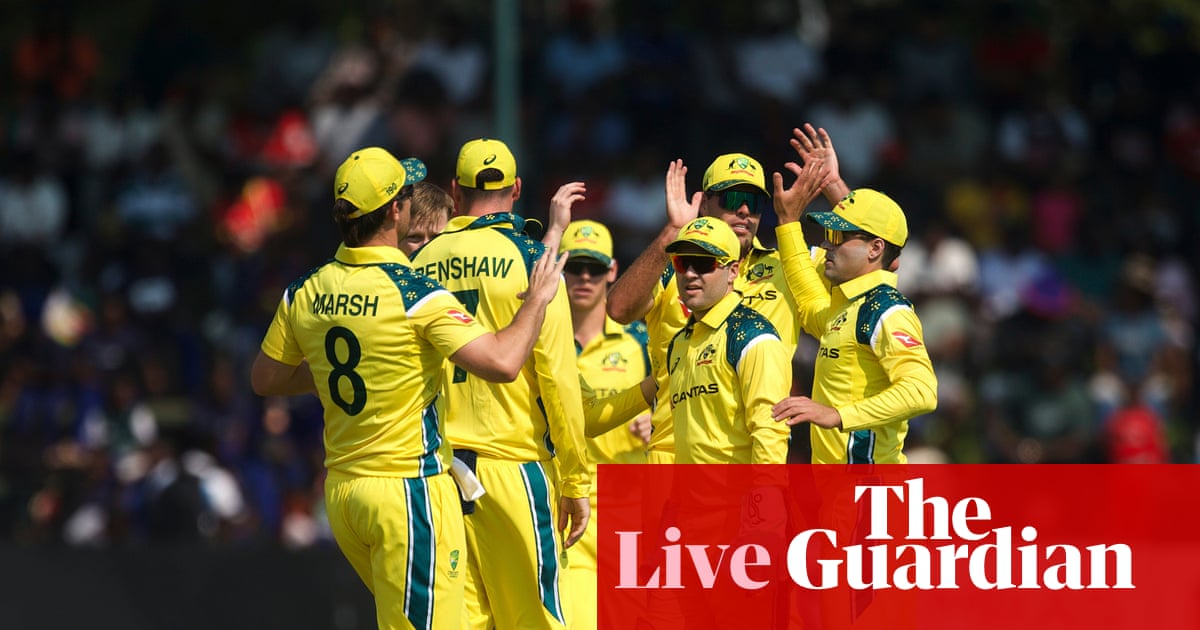
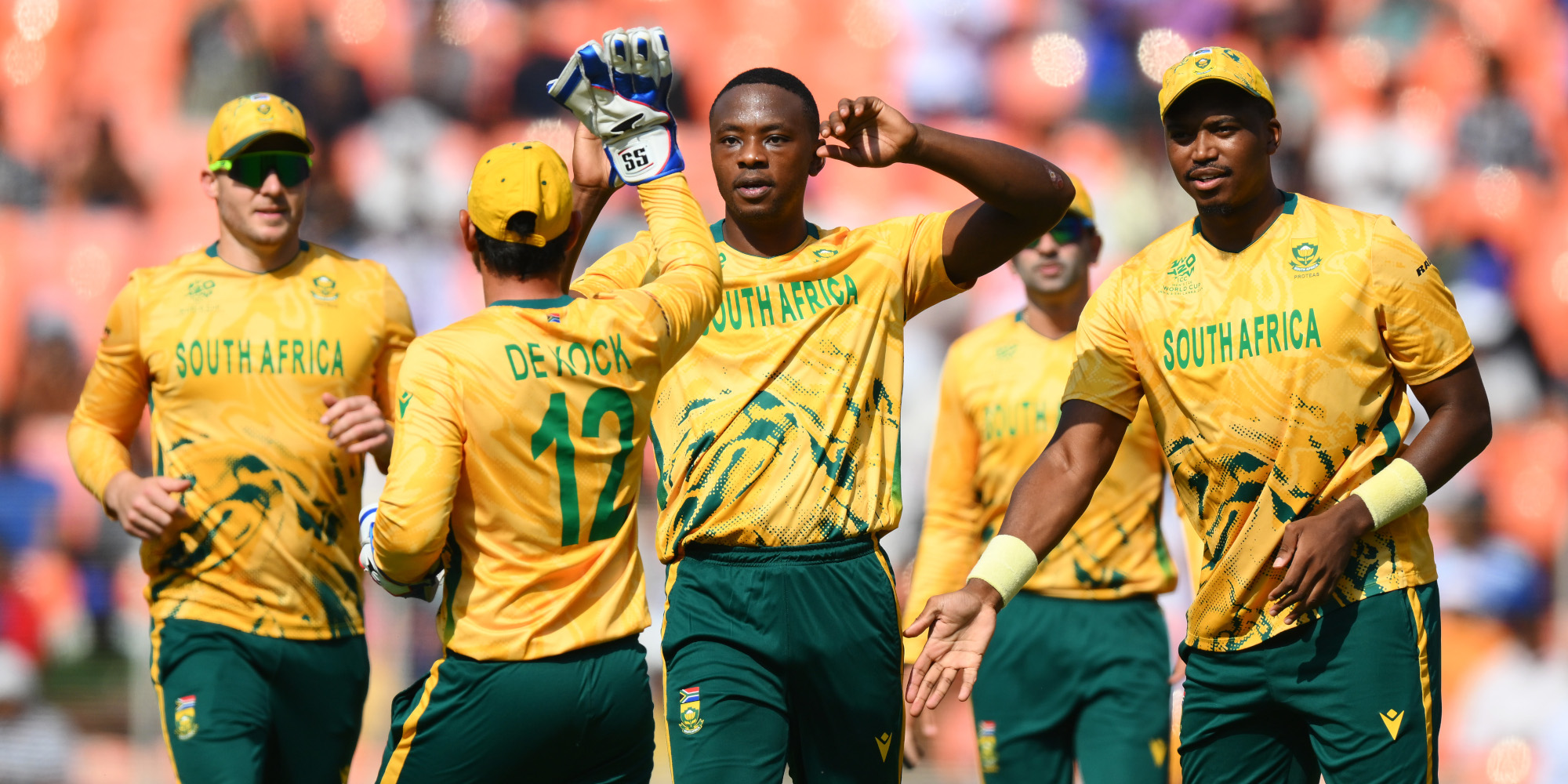
Australia won the toss and elected to field first in the opening men’s one-day international against South Africa at the Kingsmead Ground in Durban. Captain Mitch Marsh cited the early start time and a venue breeze anticipated to generate early aerial movement. South Africa skipper Temba Bavuma noted that he would have made the identical strategic decision.
This fixture initiates a three-mile bilateral ODI series, serving as a foundational step toward the ICC Men’s Cricket World Cup. The tournament is jointly hosted by South Africa, Zimbabwe, and Namibia in just over 12 months.
Bilateral Landscape and Historical Form
Australia historically calibrates its limited-overs execution to peak during major international cycles, entering this fixture on the heels of a 3-0 ODI series sweep in Zimbabwe. Conversely, South Africa retains a strong historical record in home ODI series against Australia, establishing a psychological baseline that informs current squad rotations and tactical pairings.
Domestic Schedule and Commercial Expansion
The series unfolds within a packed South African home summer encompassing Tests, ODIs, T20Is, and a month-long Betway SA20 window. The Proteas Men and Women host major touring sides including Australia, Bangladesh, England, and a multi-format visit from India’s women’s team.
This dense international and domestic calendar places significant operational demands on local infrastructure, broadcast networks, and athlete management frameworks. SuperSport maintains its position as the primary broadcaster across all formats.
Workload Management and Squad Depth
The convergence of multi-format international series and domestic T20 leagues necessitates rigorous workload management from coaching staffs and medical units. Balancing the immediate demands of a high-stakes ODI series against reigning world champions with impending Test commitments underscores the complexities of contemporary cricket scheduling and high-performance talent pipelines.