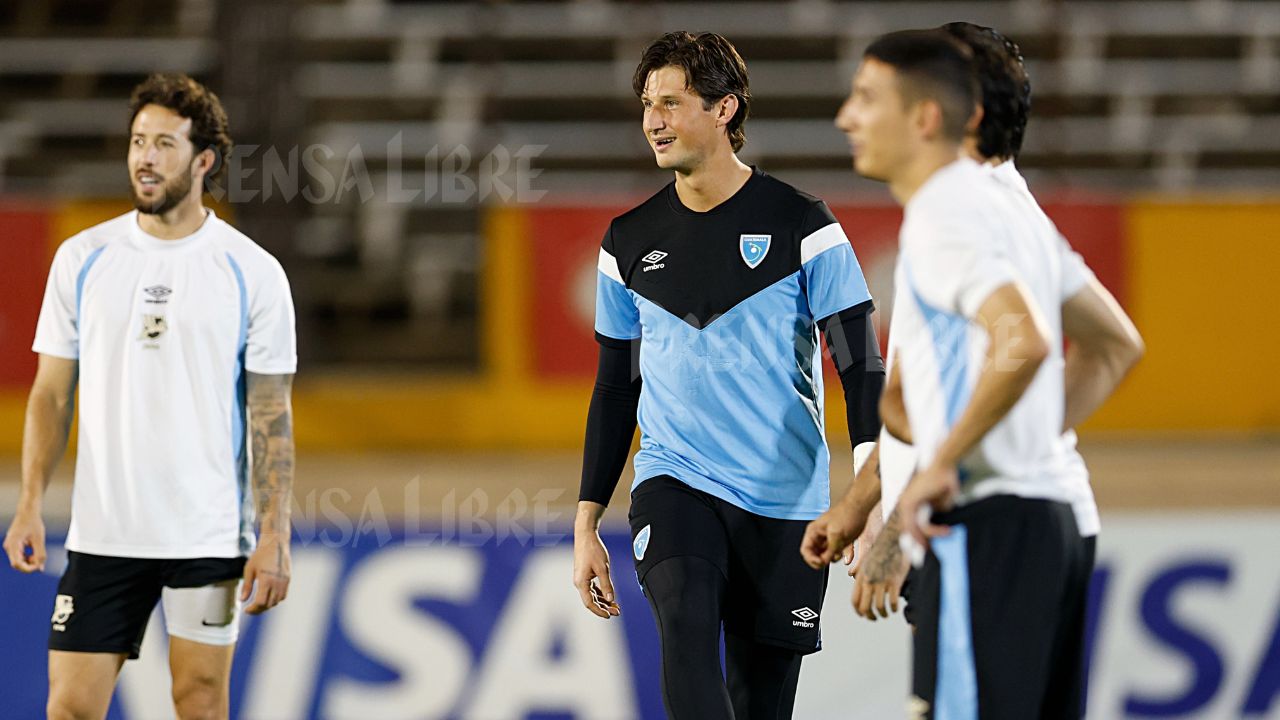
The Guatemala national football team completed its final training session at the National Stadium in Kingston, finalizing preparations for its opening fixture in the Concacaf Nations League Group B. Directed by technical staff led by Luis Fernando Tena, the squad utilized the pitch review to acclimate to local playing conditions. This tactical step follows a multi-day preparation period based in Miami, Florida, focused on structural adjustments and positioning.
Competing in Group B alongside Jamaica and Honduras requires precise resource management and targeted physical conditioning. The team’s prior camp in the United States served as the operational baseline for refining tactical concepts before transitioning to the Caribbean.
Tactical Priorities and Structural Challenges
Technical leadership has formulated a tactical approach specifically designed to neutralize the speed and aerial prowess of the Jamaican squad, emphasizing flank containment and cross prevention. Confronting players with strong aerial capabilities demands disciplined defensive positioning and structured disruption of wide playmaking channels.
Historical match data indicates a competitive deficit for the visiting side, with records showing twelve victories for Jamaica contrasted with four for Guatemala, alongside four draws. Navigating this disadvantage requires strict adherence to tactical blueprints designed to suppress opponent transitions.
Tournament Architecture and Strategic Stakes
The structure of the Concacaf Nations League introduces competitive incentives and relegation risks. While top-tier programs like Mexico, the United States, Canada, and Panamá enjoy prequalification status for the quarterfinals, Group B participants navigate a rigorous qualification matrix. Securing a top-two finish guarantees advancement to the quarterfinals and a direct pathway to the continental championship.
Conversely, lower-tier outcomes carry structural penalties, ranging from mandatory qualification stages to potential relegation to League B. These administrative and competitive stakes reinforce the necessity for consistent execution throughout the group phase.
Operational Readiness and Psychological Preparation
Team management highlighted psychological stability and physical readiness as critical variables in executing the match plan under high-pressure conditions. The implementation of video analysis and tactical reinforcement sessions reflects modern preparatory standards in international association football. By systematically addressing vulnerabilities and reinforcing positional discipline, the technical staff aims to maximize competitive output.