
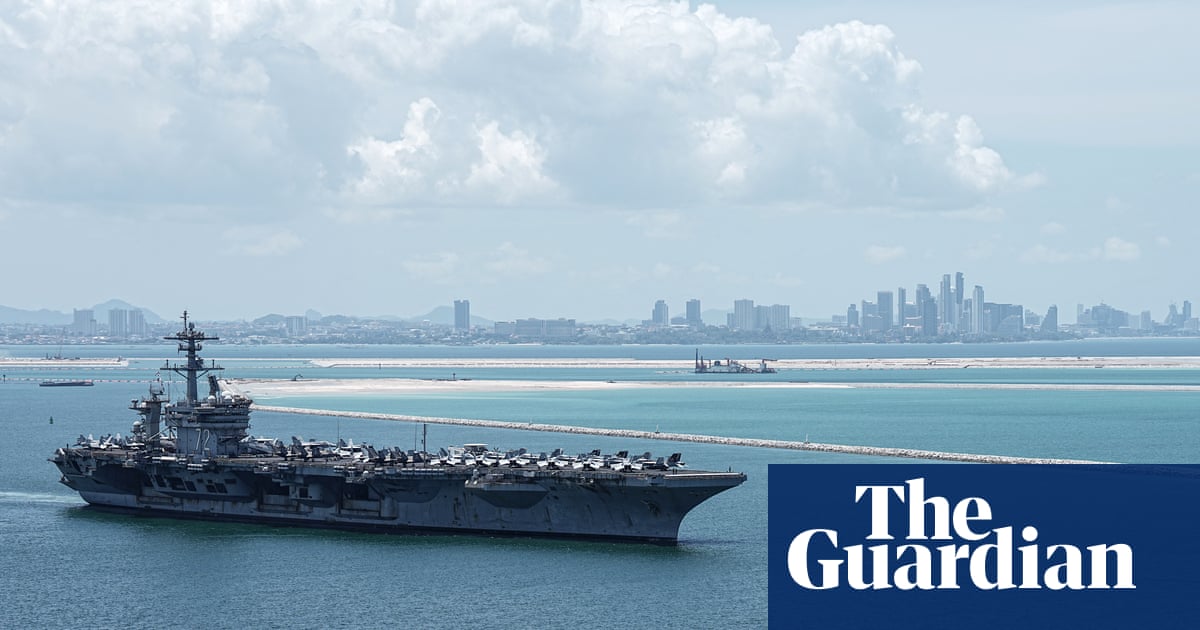
Navy Acknowledges Personnel Crisis Within Strike Group
The United States Navy has officially confirmed eight suicide attempts within the USS Abraham Lincoln carrier strike group, a revelation made by Acting Navy Secretary Hung Cao in a letter to Senator Kirsten Gillibrand. This disclosure underscores the severe psychological impact of prolonged maritime operations on naval personnel.
Cao’s response addresses congressional concerns regarding sailor quality of life and operational readiness in high-stress environments, signifying top-level departmental accountability. The confirmation follows months of internal reporting and media scrutiny concerning the deteriorating conditions aboard the fleet, marking a significant step in the Navy’s transparency on non-combat casualties and the human cost of sustained power projection.
Operational Overstretch and Deployment Extensions
The USS Abraham Lincoln’s deployment extended to 286 days, significantly exceeding standard naval operational cycles. The crew faced multiple extensions beyond their originally scheduled May conclusion, remaining deployed until September. These extensions were dictated by strategic imperatives related to regional tensions, specifically the ongoing conflict involving Iran, which eliminated predictability of return dates and exacerbated crew stress.
The decision to prolong the deployment prioritized regional deterrence over immediate personnel welfare, establishing a benchmark for the limits of human endurance within current naval force structures. The prolonged operational tempo created a high-stress environment impacting sailor resilience.
Systemic Impact Across the Strike Group
The eight suicide attempts were distributed across the entire strike group, affecting personnel from the Lincoln’s primary crew, the carrier airwing, and the destroyer squadron staff. This systemic distribution indicates that psychological strain permeated all functional layers of the fleet, suggesting stressors were inherent to the mission’s duration and intensity rather than isolated incidents.
The involvement of destroyer squadron and airwing staff, critical for command and control, is particularly concerning, implying a failure in support systems designed to monitor and mitigate stress across diverse naval specialties during extended operations.
Legislative Scrutiny and Quality of Life Metrics
Senator Kirsten Gillibrand’s inquiry into the quality of life aboard the Lincoln highlights growing legislative scrutiny of military personnel welfare. The Senate’s focus on these metrics suggests future naval appropriations may be increasingly contingent on demonstrated improvements in sailor well-being.
The Navy’s response signifies that the Department of Defense is now compelled to quantify the psychological impact of strategic decisions, potentially leading to new mandates for deployment caps or mandatory mental health interventions during extended missions. This dialogue underscores a structural vulnerability in military human capital management, posing significant reputational and operational risks amid recruitment and retention challenges.
August Tipping Point and Public Visibility
In August, prior to the fleet’s return, military publications reported on the deteriorating mental health of sailors, including accounts of personnel attempting to jump overboard. Amplified by media outlets like CNN, these reports compelled the Navy to address the situation more directly. The timing of these incidents, occurring just before the scheduled September disembarkation, points to a cumulative stress effect peaking after nearly ten months at sea.
The public visibility of the crisis has elevated it to a public policy concern, driving legislative action and necessitating institutional transparency. This feedback loop between media coverage and legislative response underscores the increasing public interest in military personnel welfare.
Strategic Consequences of Prolonged Conflict Engagement
The Navy’s direct link between the suicide attempts and the “unresolved war” context offers insight into the internal pressures of indefinite deployments. Missions lacking a clear end point significantly increase psychological burdens on the force. The USS Abraham Lincoln’s role in U.S. posture towards Iran necessitated constant high alert, further depleting crew mental reserves.
The strategic necessity of maintaining a carrier presence in the region must now be critically weighed against the degradation of the force itself. Compromised human capital directly diminishes the combat effectiveness of multi-billion dollar naval assets.
Decompression and Transition Challenges
The crew disembarked in Thailand on September 1, intended as immediate relief and decompression. However, this occurred only after the crisis reached a critical point, as evidenced by the August suicide attempts. The use of a foreign port highlights logistical challenges in managing a crew deployed for nearly 300 days, with port calls potentially insufficient to address accumulated psychological trauma.
The transition from a high-alert combat environment to a resort setting represents a massive shift in operational tempo. The efficacy of this decompression strategy is now under internal review as the Navy assesses the long-term health of the Lincoln’s personnel.
Financial and Human Capital Risks
Each sailor represents a substantial financial investment in training and specialized skills. Personnel loss due to suicide or mental health discharge directly impacts the Navy’s budget and long-term readiness. This “brain drain” within critical units like aviation squadrons and destroyer staffs creates significant logistical challenges and further strains remaining crew members.
The Navy’s admission acknowledges a risk to its most valuable asset. In a competitive global environment, failing to protect the mental health of the force could be perceived as a strategic weakness by adversaries.
Future Policy and Structural Adjustments
The fallout from the USS Abraham Lincoln deployment is likely to prompt a reevaluation of the Navy’s Global Force Management Allocation Plan. The current model, relying on deployment extensions to meet emerging threats, appears to be reaching diminishing returns.
Future policies may include stricter deployment length limits, enhanced mental health screenings for crews facing extensions, and potentially fleet size adjustments or strategic presence modifications to prevent overworking existing strike groups. The Acting Secretary’s letter is expected to influence future defense legislation, shaping the Navy’s ability to sustain global commitments while prioritizing personnel integrity.
Conclusion: Balancing Strategy and Welfare
The confirmation of eight suicide attempts within the USS Abraham Lincoln strike group serves as a critical reminder of the internal pressures facing the U.S. military. Balancing strategic presence with personnel welfare remains a paramount challenge, particularly in the context of prolonged engagements in “unresolved” conflicts.
Ongoing investigations and data provided to Congress will clarify specific failures during the 286-day deployment. The Navy faces the immediate task of addressing the crew’s needs while developing long-term solutions to prevent recurrence. Transparency, though prompted by external pressure, is essential for addressing systemic issues and protecting the well-being of sailors operating at the forefront of national defense.
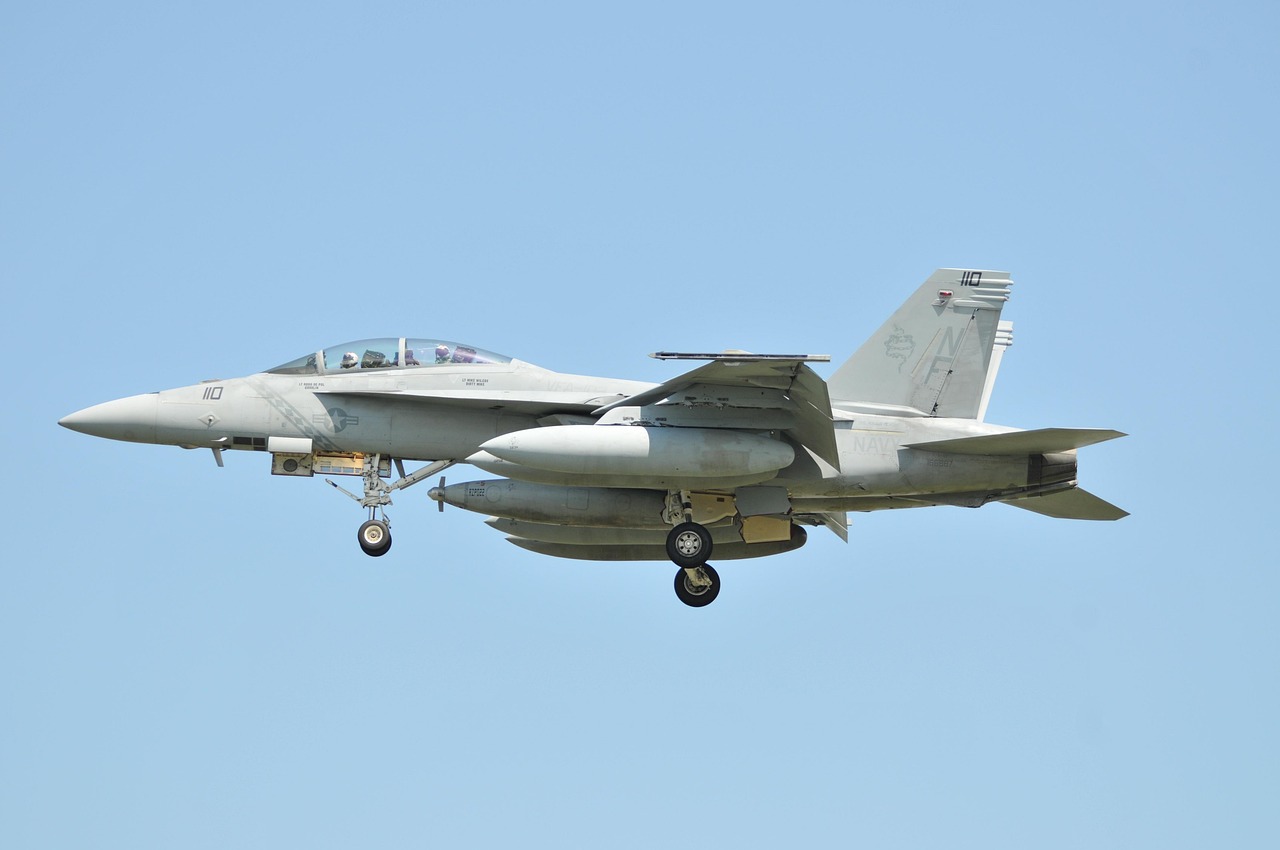
Photo by sundownerfighting111 on Pixabay.