Hurricane Nolo Intensifies, Poses Major Threat to Hawaii
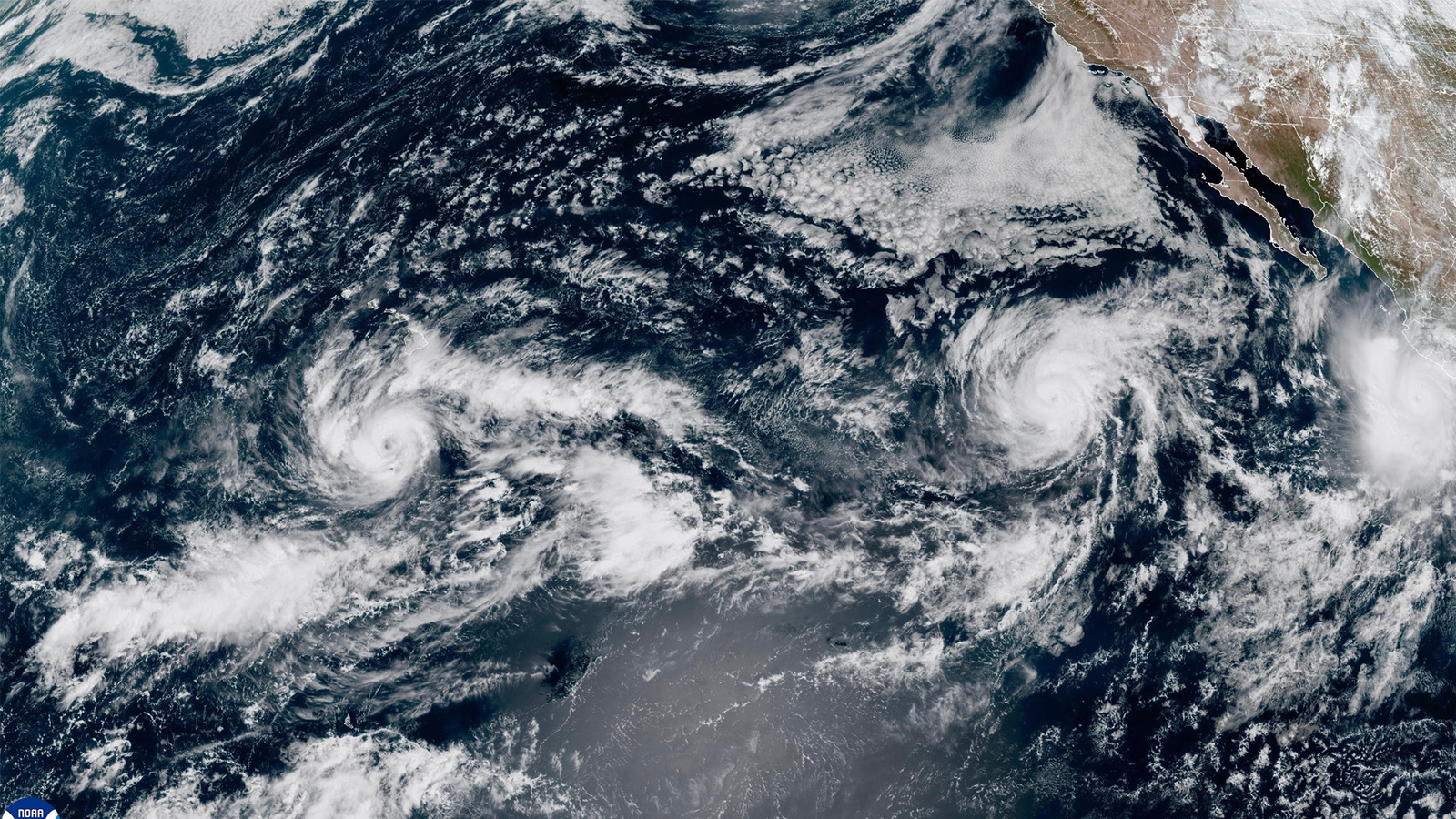
Hurricane Nolo is forecast to strengthen into a major hurricane, potentially Category 3 or higher, as it makes a close pass south of Hawaii this weekend. This intensification trajectory signals a heightened risk of severe weather impacts for the Hawaiian Islands, particularly the Big Island.
The National Hurricane Center (NHC) has issued stark warnings of “catastrophic and life-threatening flash flooding” across parts of the Big Island, with projected rainfall totals reaching as high as 35 inches in some areas. Such extreme precipitation levels carry significant implications for infrastructure, emergency services, and public safety, demanding immediate and comprehensive preparedness measures.
Operational and Strategic Preparedness
The activation of Colorado Task Force 1 ahead of Tropical Storm Nolo underscores the proactive operational posture being adopted by emergency management agencies. This deployment signifies a recognition of the potential scale of the disaster, necessitating specialized urban search and rescue capabilities to address anticipated catastrophic flooding and mudslides.
For Hawaii, which typically experiences limited tropical cyclone activity, this season’s fourth tropical threat highlights a potential shift in regional climate patterns or increased vulnerability. The repeated exposure to tropical systems strains local resources and necessitates a re-evaluation of long-term resilience strategies and infrastructure hardening against extreme weather events.
Economic and Infrastructural Exposure
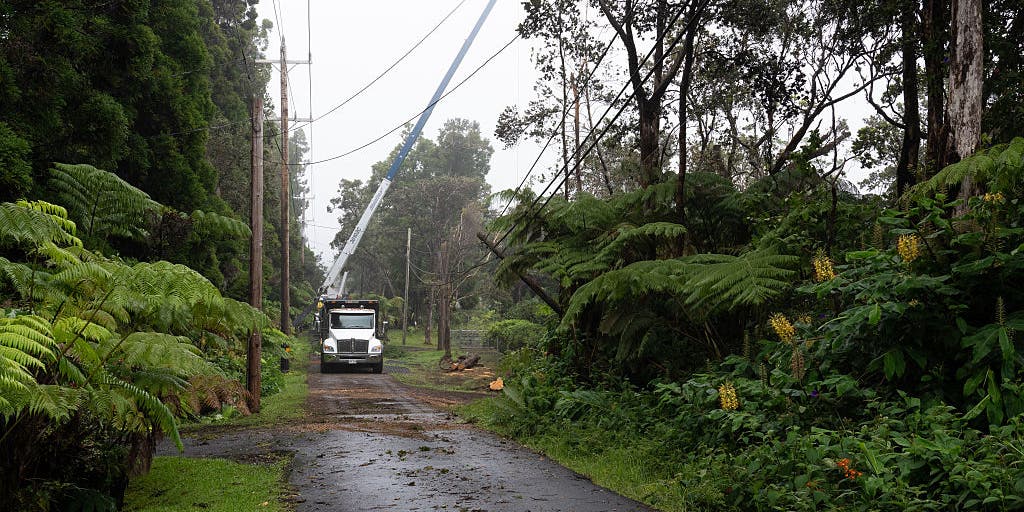
The projected “catastrophic flooding” carries substantial economic implications for the Big Island. Key sectors such as tourism, agriculture, and local commerce are highly exposed to disruptions from severe weather, including potential damage to transportation networks, power grids, and essential services.
The financial burden of recovery and rebuilding following such an event could be considerable. Insurance providers face increased claims exposure, while local and state governments will need to allocate significant capital for disaster relief, infrastructure repair, and long-term mitigation efforts, potentially impacting public budgets and debt levels.
Geopolitical and Regional Context
Concurrently, Hurricane Polo is churning near Mexico, presenting a distinct but related tropical threat to the Baja Peninsula and its southwestern coast. This dual-storm scenario, with Nolo impacting Hawaii and Polo threatening Mexico, illustrates broader atmospheric dynamics and the interconnectedness of weather systems across the Pacific basin.
The proximity of Hurricane Polo to Mexico’s coast necessitates parallel preparedness and response efforts in that region. The potential for significant rainfall and storm conditions on the Baja Peninsula highlights the need for coordinated disaster management across multiple jurisdictions, potentially involving international cooperation.
Forecasting and Risk Communication
While Nolo was expected to strengthen to a major hurricane on Saturday, forecasters indicated it might take a westward turn, potentially avoiding a direct landfall. However, even a close pass south of Hawaii is projected to deliver “catastrophic and life-threatening flash flooding,” emphasizing that direct impact is not a prerequisite for severe damage.
The recalibration of rainfall forecasts, from an earlier projection of 15-30 inches with a maximum of 35 inches down to 10-15 inches with a maximum of 25 inches for eastern and southern areas, illustrates the inherent uncertainty in tropical cyclone prediction. This dynamic forecasting environment underscores the critical importance of clear, consistent, and actionable risk communication to the public and emergency responders.
Stakeholder Risk and Incentive Structures
Residents on the Big Island face immediate life-threatening risks from flash flooding and mudslides. Their incentive is to heed evacuation orders and safety advisories, prioritizing personal safety over property preservation when conditions become untenable.
Emergency management agencies and first responders face immense operational risks, balancing the need for rapid intervention with their own safety in hazardous conditions. Their incentive is to deploy resources effectively and efficiently to save lives and mitigate damage, operating under significant time and resource constraints.
The National Hurricane Center and other meteorological organizations are incentivized by the accuracy and timeliness of their forecasts. Their performance is measured by their ability to provide reliable warnings that enable effective public and governmental response, with reputational capital tied to minimizing loss of life and property damage.
Local and state governments in Hawaii bear the responsibility for coordinating response efforts and managing the aftermath. Their incentives include maintaining public order, ensuring the continuity of essential services, and securing federal aid for recovery, all while managing political and fiscal pressures.
Cascading Effects and Systemic Impact
The potential for widespread flooding and infrastructure damage could trigger cascading effects across Hawaii’s economy. Disruptions to inter-island transportation, power outages, and damage to communication networks could isolate communities and impede relief efforts, exacerbating the initial impact of the storm.
The agricultural sector, a vital component of Hawaii’s economy, is particularly vulnerable to prolonged inundation and soil erosion, potentially leading to significant crop losses and long-term impacts on food security and local supply chains.
The repeated exposure to significant tropical threats this season may also influence long-term investment decisions in the region. Developers, businesses, and residents may reassess the risks associated with building and operating in areas prone to extreme weather, potentially leading to shifts in land use and development patterns.
Broader Implications for Disaster Preparedness
The events surrounding Hurricane Nolo and Hurricane Polo serve as a critical case study for disaster preparedness and response protocols in vulnerable regions. The intensity and frequency of such storms, potentially influenced by climate change, necessitate ongoing evaluation and adaptation of existing frameworks.
The coordination between federal agencies like the NHC and local task forces, such as Colorado Task Force 1, highlights the importance of robust inter-agency collaboration. Effective communication channels and pre-established mutual aid agreements are crucial for a swift and coordinated response to large-scale natural disasters.
Furthermore, the public’s understanding of and adherence to weather advisories are paramount. Educational campaigns and accessible information dissemination are vital to ensure that residents are equipped to make informed decisions during rapidly evolving and dangerous weather events.
Strategic Considerations for Island Nations
For island nations like Hawaii, which are inherently more vulnerable to the impacts of tropical cyclones and sea-level rise, these events underscore the strategic imperative for enhanced climate resilience. This includes investing in resilient infrastructure, developing robust early warning systems, and implementing land-use policies that account for increasing climate-related risks.
The economic reliance on sectors like tourism presents a unique challenge, as the natural beauty and appeal of these destinations can be severely compromised by extreme weather. Diversification of economies and the development of sustainable tourism models less susceptible to environmental shocks are critical long-term strategies.
The ongoing tropical activity in the Pacific also has implications for regional security and resource allocation. The need to respond to multiple simultaneous threats requires a strategic approach to resource management and the potential for international collaboration in disaster response and climate adaptation efforts.
Performance Leverage and Future Planning
The effectiveness of response and recovery efforts following Hurricane Nolo will provide valuable data for future planning and resource allocation. Analyzing the performance of emergency services, the resilience of infrastructure, and the efficacy of public communication strategies will inform adjustments to preparedness protocols.
This season’s tropical activity serves as a tangible reminder of the dynamic nature of weather systems and the critical need for continuous investment in meteorological research and forecasting technologies. Enhanced predictive capabilities lead to more accurate warnings, allowing for more timely and effective mitigation and response actions.
Ultimately, the events surrounding Hurricane Nolo highlight the complex interplay of natural forces, human preparedness, and institutional response. The ability of communities and governments to adapt and build resilience in the face of escalating climate-related threats will be a defining challenge of the coming decades.