The Structural Dynamics of Professional Mentorship
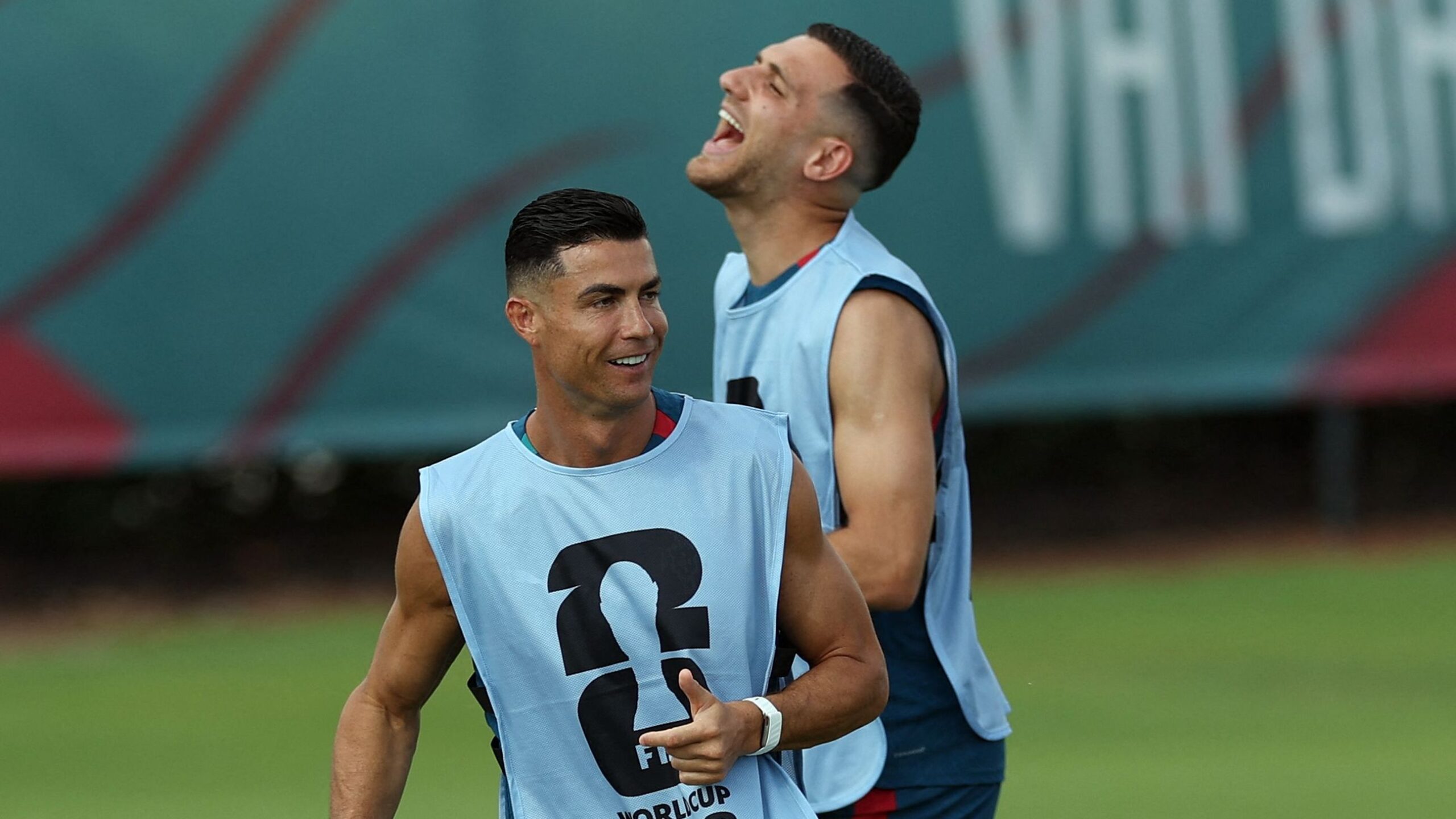
The relationship between Diogo Dalot and Cristiano Ronaldo serves as an institutional case study in the transmission of professional standards. Evolving from early childhood admiration to a peer-level strategic alliance, this bond functions within the high-pressure frameworks of elite football, where veteran presence acts as a conduit for organizational knowledge.
Institutional Continuity and Performance Leverage
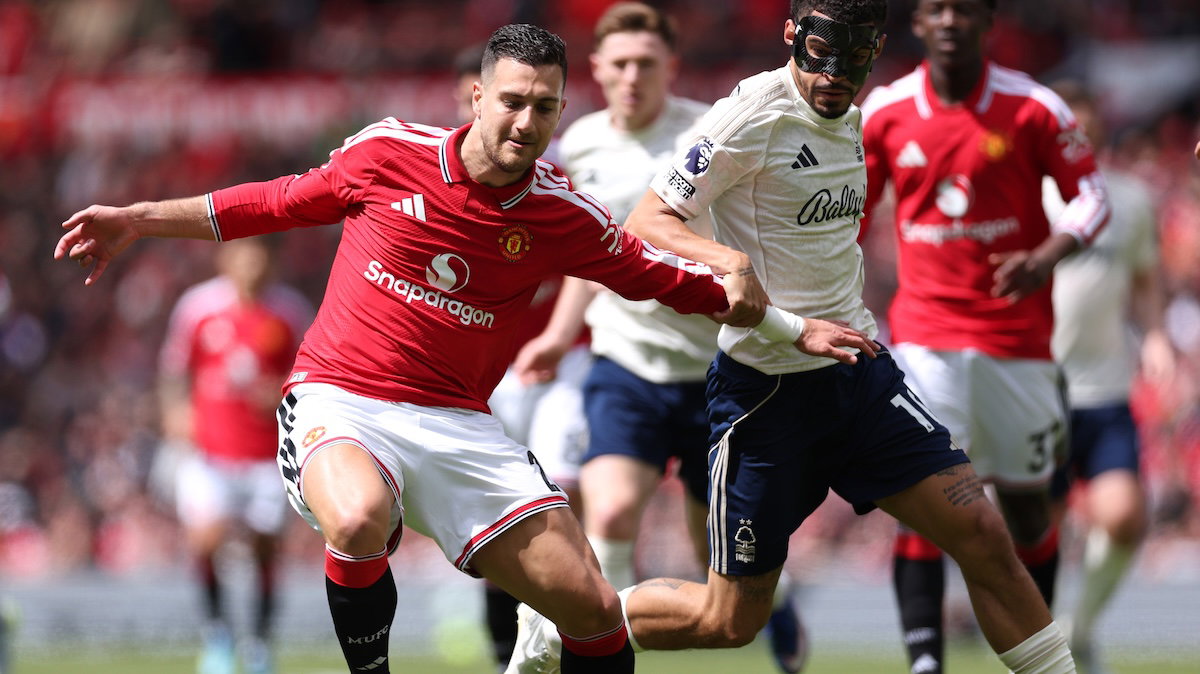
Dalot’s tenure at Manchester United since 2018 underscores the role of organizational stability in player maturation. Despite initial volatility—including a loan spell at AC Milan—Dalot has consolidated his position through tactical adaptation. His 2025/26 campaign, featuring 36 appearances and over 2,700 minutes of play, highlights a transition from rotational depth to a primary tactical asset. In the context of the Portugal national team, this operational consistency is bolstered by Ronaldo, whose veteran experience provides a stabilizing psychological and tactical anchor.
The Economics of Elite Athletic Relationships
In modern sport, proximity to established icons carries significant competitive weight. Public recognition from a player of Ronaldo’s magnitude serves as a validation of status within the global football ecosystem. Interactions, such as those observed during the goal celebration against Uzbekistan, function as signals of squad cohesion, mitigating the friction of individual egos in favor of collective tactical alignment necessary for tournament success.
Strategic Implications and Resilience
The documentation of these relationships—often facilitated by figures like Jacinto Teixeira—reveals the support networks essential for elite resilience. For Dalot, navigating this mentorship while establishing a distinct identity based on defensive versatility provides a competitive advantage. This balance allows him to leverage veteran insights while maintaining the autonomy required for sustained professional development.
Systemic Impact on Team Cohesion
The integration of leadership across generations is a fundamental managerial challenge. By fostering an environment where emerging talent like Dalot aligns with established figures, the Portuguese national team secures institutional continuity. This structural approach minimizes the risks associated with generational turnover, ensuring that standards of performance remain resilient under the intense scrutiny of the 2026 FIFA World Cup.
Conclusion
The partnership between Dalot and Ronaldo illustrates the interplay between individual aspiration and institutional requirements. By leveraging shared history to enhance on-pitch output, this relationship creates a feedback loop that benefits both the athlete and the collective. The strategic value of this bond remains a critical variable in the pursuit of sustained excellence in international competition.