
House Ethics Panel Finds Allegations Against Cherfilus-McCormick Proven
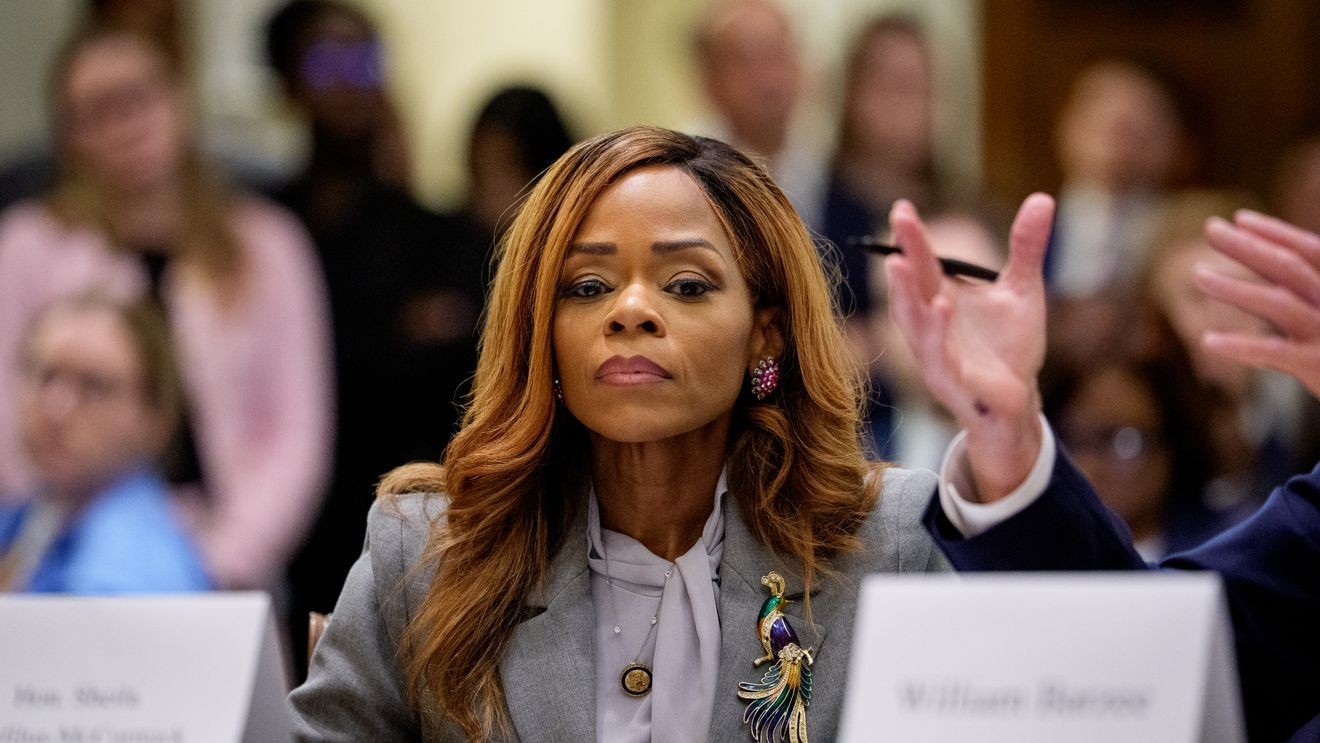
A House Ethics Committee panel has ruled that a majority of the ethics allegations against Representative Sheila Cherfilus-McCormick were proven, a decision that significantly increases pressure on Democratic leadership to address potential misconduct within their ranks. The bipartisan adjudicatory subcommittee found that 25 allegations in the Statement of Alleged Violations were substantiated by clear and convincing evidence, following a public hearing on March 26. This finding initiates a new phase of institutional scrutiny that could lead to disciplinary action, including potential expulsion from Congress, depending on the recommendations of the full committee and subsequent floor votes.
The Nature of the Allegations and Standard of Proof
The committee’s finding centers on the lawmaker’s financial ties to her family’s healthcare business and a substantial overpayment of public funds. Investigators allege that a roughly $5 million overpayment made by the state of Florida for COVID-19 disaster relief was subsequently connected to funds received by the family business. The core allegation suggests some of these funds were then funneled in ways that violated congressional ethics standards, raising questions about the appropriate use of public resources and conflicts of interest involving a sitting member of Congress.
The finding by the House Ethics Committee panel carries significant weight due to the procedural standards involved. The panel, composed of eight members evenly split between Democrats and Republicans, reached its conclusion after seven hours of deliberation, indicating a consensus that transcends partisan lines. The use of the standard of “clear and convincing evidence” for 25 specific allegations signifies a high level of confidence in the evidence presented, distinguishing these findings from less severe or less substantiated claims often dismissed as partisan attacks.
In the context of congressional ethics, a finding of “clear and convincing evidence” is a critical threshold. Unlike the “preponderance of evidence” standard used in civil cases, which requires only that a claim is more likely true than not, the higher standard demands that the evidence be substantially more persuasive than the opposing evidence. For a bipartisan panel to agree on this standard for a majority of allegations suggests the evidence presented was compelling enough to overcome potential political divisions, forcing a unified institutional response to the documented facts.
Financial Oversight Failures and Regulatory Vulnerabilities
The allegations highlight significant structural vulnerabilities in the oversight mechanisms for large-scale government relief programs. The case specifically involves a $5 million overpayment of COVID-19 disaster relief funds from the state of Florida. The rapid disbursement of funds during the pandemic created conditions ripe for potential misuse and fraud, as standard oversight protocols were often relaxed to expedite aid delivery. The alleged connection between these overpaid funds and the lawmaker’s family business raises questions about how public resources were managed and tracked during the emergency period.
The core issue of “funneling” funds from a government overpayment through a family business structure directly implicates conflicts of interest and potential misuse of public office for personal gain. This scenario exposes the challenges inherent in regulating the financial activities of lawmakers who maintain close ties to private enterprises that benefit from government contracts or payments. This case serves as a critical example of the need for enhanced transparency and stricter conflict-of-interest rules for elected officials whose family businesses interact with government funding streams.
Political Calculus and Institutional Precedent
The findings against Rep. Cherfilus-McCormick create a significant political dilemma for Democratic leadership, particularly given the recent precedent set by the expulsion of former Representative George Santos. The source explicitly notes the comparison, highlighting the pressure on Democrats to apply consistent standards of accountability. Having previously championed the expulsion of Santos for similar allegations of financial misconduct and misrepresentation, Democratic leaders now face a high-stakes test of institutional integrity regarding one of their own members.
The political implications extend beyond internal party discipline. The findings provide significant leverage for Republicans, who can use the case to counter accusations of hypocrisy and demand equal treatment for members accused of misconduct, regardless of party affiliation. The bipartisan nature of the ethics panel’s finding makes it difficult for Democrats to dismiss the allegations as purely partisan attacks, increasing the pressure for a decisive response. Failure to act decisively could undermine the party’s credibility on ethics issues and create a political vulnerability in future elections.
The reference to George Santos establishes a new benchmark for congressional accountability. The expulsion of Santos, while driven by a unique set of circumstances, demonstrated a willingness by Congress to remove a member for misconduct that extended beyond traditional campaign finance violations. The Cherfilus-McCormick case, involving allegations of financial misconduct related to public funds and a family business, tests whether this new standard of accountability will be applied consistently across party lines. The institutional norms surrounding expulsion are highly sensitive, and a lower threshold for removal set by the Santos case could lead to a cycle of retaliatory investigations. However, the bipartisan nature of the Cherfilus-McCormick finding suggests consensus on serious misconduct can still be achieved, mitigating purely partisan motives.
Future Implications and Public Scrutiny
For the lawmaker herself, the findings represent a severe threat to her political career. The potential for expulsion, while rare, becomes a real possibility given the precedent set by Santos and the bipartisan consensus on the findings. The political fallout could also affect future campaign fundraising and public perception, making it difficult for her to maintain support in her district. The case highlights the high personal cost associated with ethics violations and the increasing scrutiny placed on congressional members’ financial dealings.
The public nature of the hearing and subsequent media coverage play a critical role in shaping the political outcome. Public scrutiny places additional pressure on committee members and congressional leadership to act decisively, as inaction could be perceived as a cover-up or a failure of institutional integrity. The outcome of this case will have lasting implications for both political parties and the integrity of congressional institutions. The findings by the ethics panel represent a significant step toward potential disciplinary action, forcing a difficult decision on congressional leadership in an increasingly polarized political environment.

Photo by Momentmal on Pixabay.