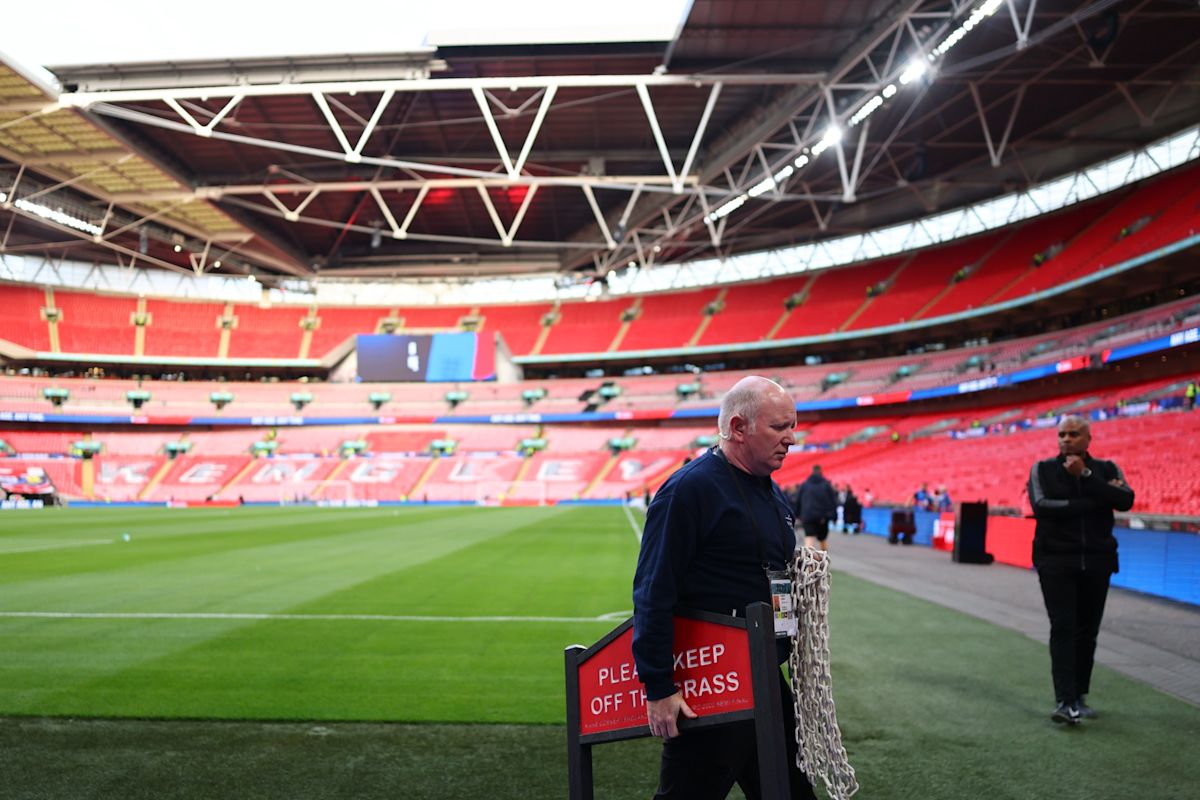
The opening round of UEFA Nations League Group A3 brings Spain to Wembley Stadium to face England in a high-profile competitive fixture. Following Spain’s international triumph over Argentina in New York, manager Luis de la Fuente addresses squad continuity amid key physical absences. England enters the contest under manager Thomas Tuchel, deploying a reconfigured tactical lineup designed to disrupt Spain’s midfield possession structures.
Tactical Adjustments and Lineup Structure
Spain’s competitive posture reflects deliberate adjustments within the defensive backline to manage player availability. Eric Garcia steps into the right-back role in place of the injured Pedro Porro, establishing a defensive anchor alongside center-backs Pau Cubarsi and Aymeric Laporte, with Marc Cucurella deployed on the left flank. Goalkeeping duties remain assigned to Unai Simon to maintain distribution mechanics from the deep defensive third.
In the middle third, Spain preserves its structural spine through Rodri, flanked by Dani Olmo and Fabian Ruiz. This central triangle controls match tempo and insulates the backline against transitions. The midfield architecture functions as the operational core for transitional phases, connecting possession directly into wide attacking areas.
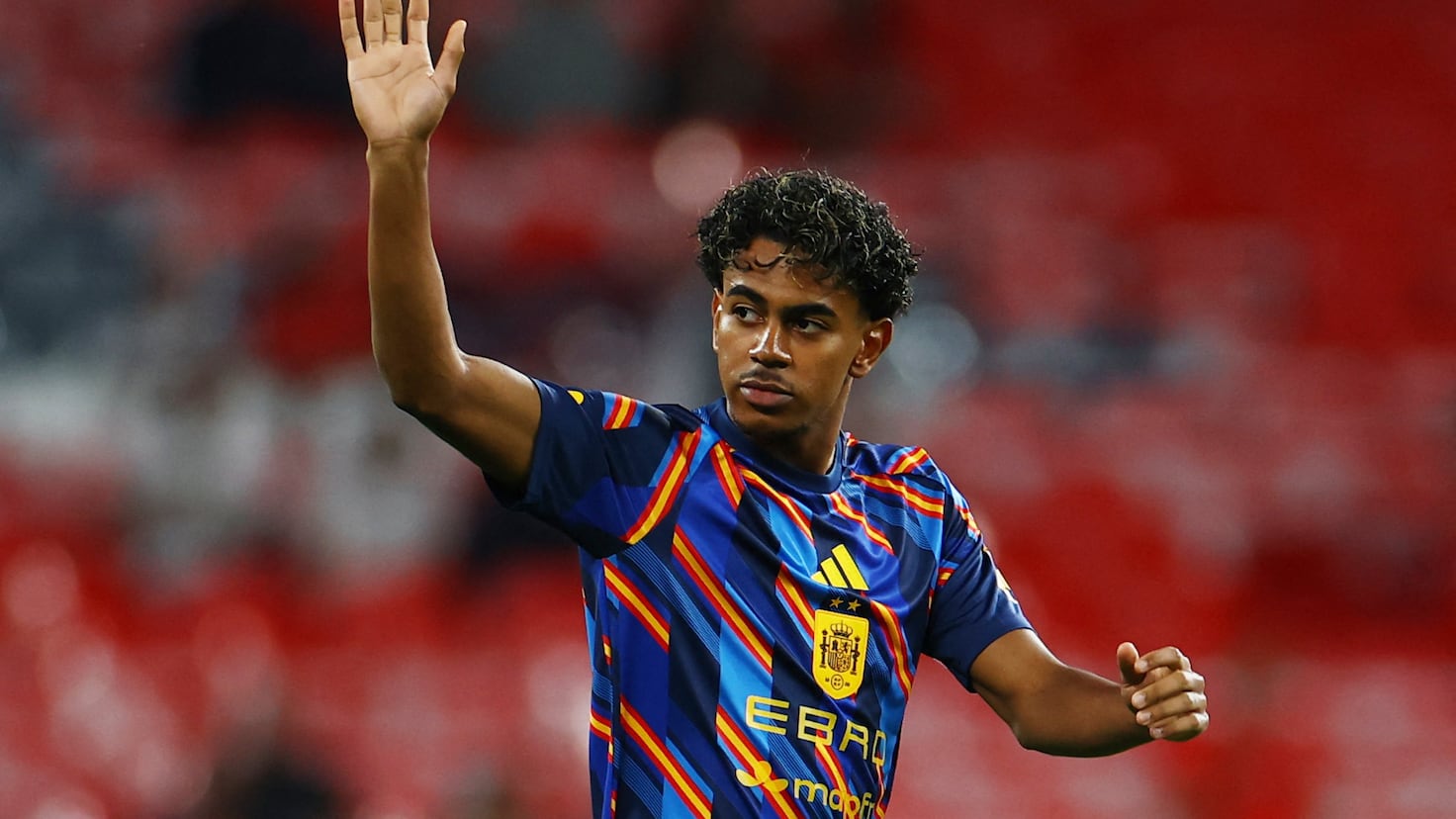
Spain’s offensive trio features Ferran Torres operating as the central striker, supported by Nico Williams on the left and Lamine Yamal on the right. With Ferran assuming central duties following his scoring role against Argentina, the attack utilizes asymmetric wide threats to challenge England’s perimeter marking. Lamine Yamal enters the fixture cleared following preparation sessions.
England’s Structural Configuration Under Tuchel
Thomas Tuchel deploys a dynamic offensive triad led by Bayern Munich striker Harry Kane, supported by Real Madrid midfielder Jude Bellingham and Anthony Gordon. Kane provides an established central focal point capable of dropping into deeper distribution corridors, while Bellingham’s advanced central role functions as the primary pressure point against Spain’s holding pivot.
England’s defensive framework relies on goalkeeper James Trafford behind a reformed line featuring Jarell Quansah, Ezri Konsa, Marc Guehi, and Nico O’Reilly. This defensive unit addresses direct wide threats while compressing central passing channels. In the central sector, England positions Anderson alongside Myles Lewis-Skelly, balancing structural discipline with technical security under pressure. Winger Bukayo Saka complements the frontline to pin Spain’s advancing fullbacks.
Midfield Leverage and Operational Dynamics
The operational balance centers on the direct interface between Rodri and Bellingham in the central third. Spain’s ball progression framework depends on Rodri’s capacity to bypass initial pressing lines. Fabian Ruiz and Dani Olmo represent the primary vehicles for vertical acceleration once initial defensive layers are breached, forcing England’s central pairing into critical spatial coverage choices.
Conversely, England’s attacking efficiency hinges on Kane’s link-up play with Gordon and Saka during transitional moments. Laporte and Cubarsi must actively balance high defensive line positioning against direct runs from England’s wingers, while Eric Garcia’s tactical discipline serves as a contingency against rapid counter-attacks down England’s left channel.
Competitive Context
The Nations League Group A3 meeting tests the systemic depth of both national federations within a congested calendar. For Spain, maintaining tactical coherence represents a critical organizational test for De la Fuente’s management amidst squad adjustments. For England, the fixture provides an authoritative benchmark under Tuchel’s technical guidance against the reigning champions, highlighting an institutional transition toward athletic versatility.