The September 26 matchup between North Carolina Central University (NCCU) and East Carolina University (ECU) at Dowdy-Ficklen Stadium encapsulates the operational, media, and athletic dynamics governing modern FBS-FCS non-conference scheduling. Beyond the field, the contest illustrates how regional program alignment supports institutional revenue targets and long-term brand equity.
Ticketing Economics and Operational Anchors
East Carolina’s announcement of surpassing 40,000 tickets distributed—bolstered by exceeding 17,000 season tickets sold for the 2026 cycle—establishes a resilient fiscal baseline. Athletic Director Jon Gilbert’s positioning of the contest within University “Family Weekend” capitalizes on alumni engagement to secure steady gate receipts independent of point-spread volatility. Furthermore, the operational demands of staging a 40,000-plus crowd activate regional municipal infrastructure, solidifying ECU’s role as a principal economic catalyst for Greenville and Eastern North Carolina.
Corporate Integration and Digital Media Rights
Corporate backing from the Pepsi-Minges Bottling Group underscores the reliance of Group of Five programs on localized, integrated sponsorships to hedge against the fluctuations of national media revenue. Concurrently, the 4:00 PM ET kickoff’s distribution across ESPN+ and ESPN Unlimited emphasizes collegiate athletics’ structural migration toward direct-to-consumer digital carriage. For network operators, regional inventory captures niche subscriber bases; for mid-major institutions, digital platforms deliver granular engagement metrics that inform subsequent rights valuations and recruitment exposure.
Tactical Diagnostics and Depth Disparities
Competitively, the game exposes stark resource and performance deltas between the two subdivisions:
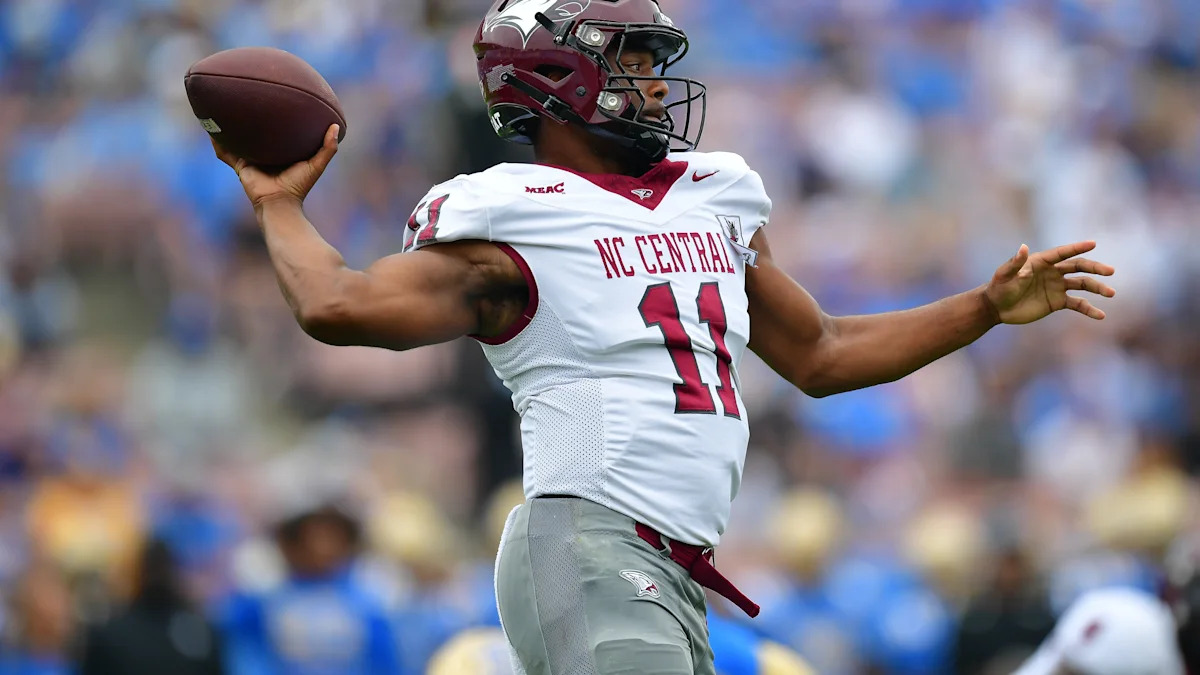
- North Carolina Central: The Eagles enter Dowdy-Ficklen seeking operational recalibration following a 44-20 loss to Gardner-Webb, in which their offense was stifled to 218 total yards alongside 20 unanswered points conceded in the second half. While NCCU leverages the guarantee game structure to capitalize non-revenue athletics, roster depth remains a focal concern against FBS personnel.
- East Carolina: Quarterback Mitch Griffis provides tactical maturity under center, having previously operated under the high-pressure defensive conditions of Bryant-Denny Stadium against the Alabama Crimson Tide. That top-tier exposure enables ECU’s offensive staff to deploy more intricate schematic concepts against an FCS defensive secondary prone to late-game attrition.
Ultimately, the 2026 ECU-NCCU fixture serves a dual purpose: stabilizing operational balance sheets and institutional relationships off the field, while providing clear developmental benchmarks on it.