The Convergence of Political Optics and Collegiate Athletics
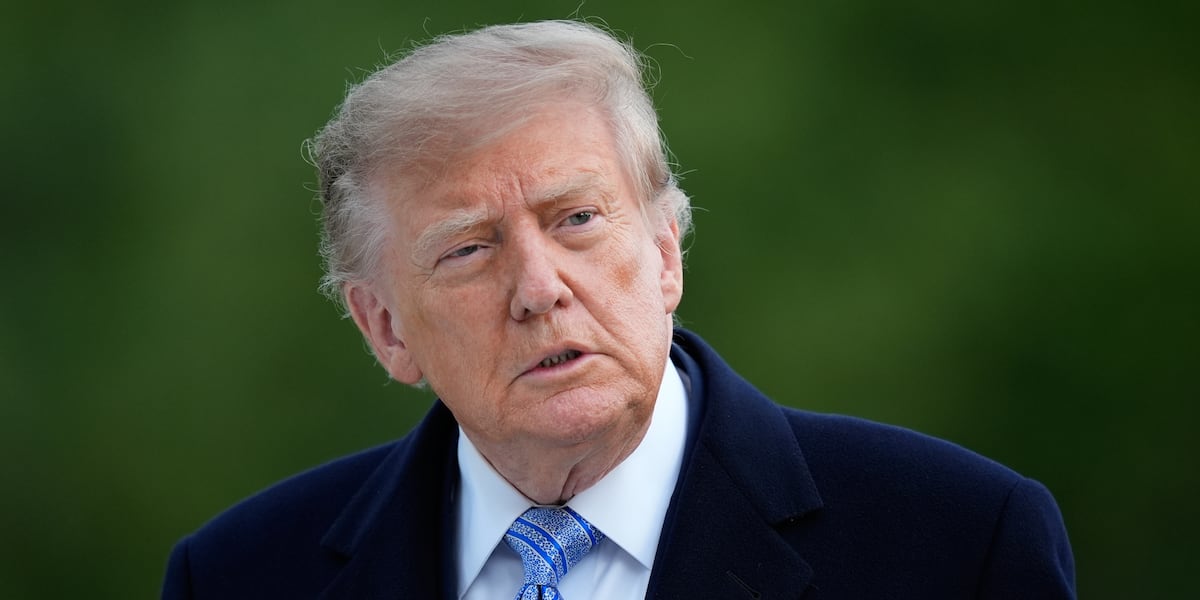
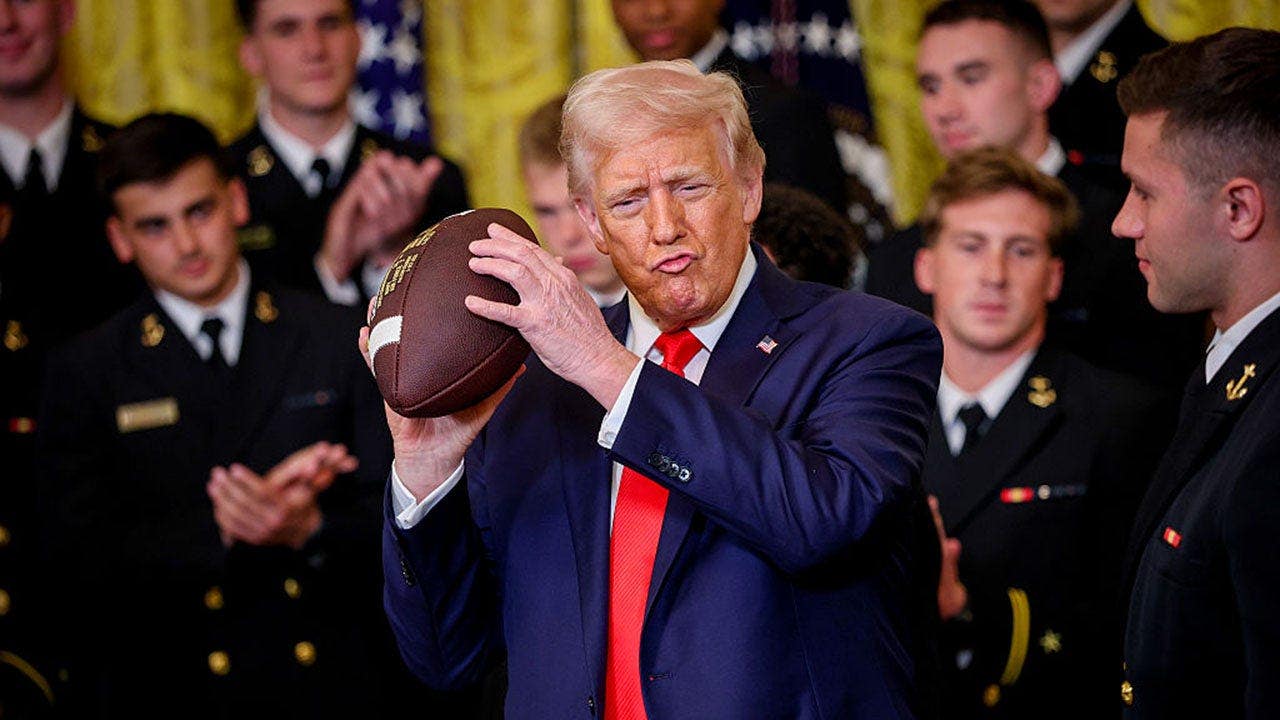
Donald Trump’s presence at Neyland Stadium for the highly anticipated SEC matchup between the University of Tennessee and the University of Texas marks a significant intersection of cultural soft power and strategic political theater. This visit transcends a standard campaign appearance, leveraging a rare athletic contest—only the fifth meeting between these programs—to consolidate influence within a vital Southern base. By embedding in a venue with 100,000 regional stakeholders, the 47th president utilizes the platform to blur the boundaries between institutional sports and national executive campaigning.
Operational Engineering: Security as a Catalyst for Logistics
The logistical footprint required for a presidential visit necessitates a total reconfiguration of stadium operations. Administrators implemented an aggressive 9:00 a.m. gate opening for a 12:00 p.m. kickoff, a move designed to mitigate the bottlenecking inherent in Secret Service-level screenings. This strategy aims to distribute the inflow of fans over a three-hour window, preventing a critical mass from forming at security checkpoints. Beyond the stadium, the arrival of Air Force One at McGhee Tyson Airport and the subsequent motorcade logistics create significant friction for Knoxville’s transit infrastructure, elevating a regional sporting event to a national security priority.
Behavioral Economics: The 50% Discount Nudge
To incentivize fan compliance with the early arrival schedule, stadium management employed a specific economic nudge: a 50% discount on alcoholic beverages between 9:00 a.m. and 10:00 a.m. From a behavioral economics perspective, this pricing floor reduction effectively ‘purchases’ attendance during low-density hours, offsetting the operational strain on security personnel during the peak hour before kickoff. While per-unit margins decrease, the university benefits from reduced logistical risk and increased total volume, rewarding early-arriving fans for navigating the friction of road closures and heightened screening protocols.
Gubernatorial Signaling and State-Level Political Stakes
The visit is inextricably linked to Tennessee’s political landscape, specifically the upcoming race to succeed Governor Bill Lee. The stadium becomes a microcosm of the state’s ideological divide, with the presence of Trump serving as a focal point for candidates like Republican Senator Marsha Blackburn and Democratic challenger Jerri Green. For the Republican base, the visit reinforces a narrative of national leadership alignment. Conversely, Green’s characterization of the visit as ‘curious’ signals a strategic effort to frame the event as a disruption, highlighting how executive-level optics are used to energize opposing voter bases ahead of the November elections.
Digital Friction: The Technical Cost of Executive Presence
The deployment of sophisticated signal-management technologies by the Secret Service introduces technical complexities for a modern, digitally-integrated stadium. Reports of potential communication disruptions reflect the trade-off between the physical safety of a high-profile protectee and the digital convenience of 100,000 attendees. For a venue reliant on mobile ticketing and wireless point-of-sale systems, these disruptions represent a significant hurdle, necessitating a balance between security integrity and the operational demands of high-speed data environments.
Institutional Reputation and Strategic Outcomes
Hosting such a high-profile convergence places the University of Tennessee under intense national scrutiny. Successfully managing the athletic stakes of the SEC-Texas dynamic alongside the rigid requirements of a presidential visit serves as a stress test for institutional capacity. Ultimately, the event provides a blueprint for the future of large-scale venue management, demonstrating how integrated planning between athletic departments, municipal authorities, and federal agencies can transform a regional game into a globally recognized spectacle of power and logistics.