
Strategic Pivot: Material Readiness as a Command Prerogative
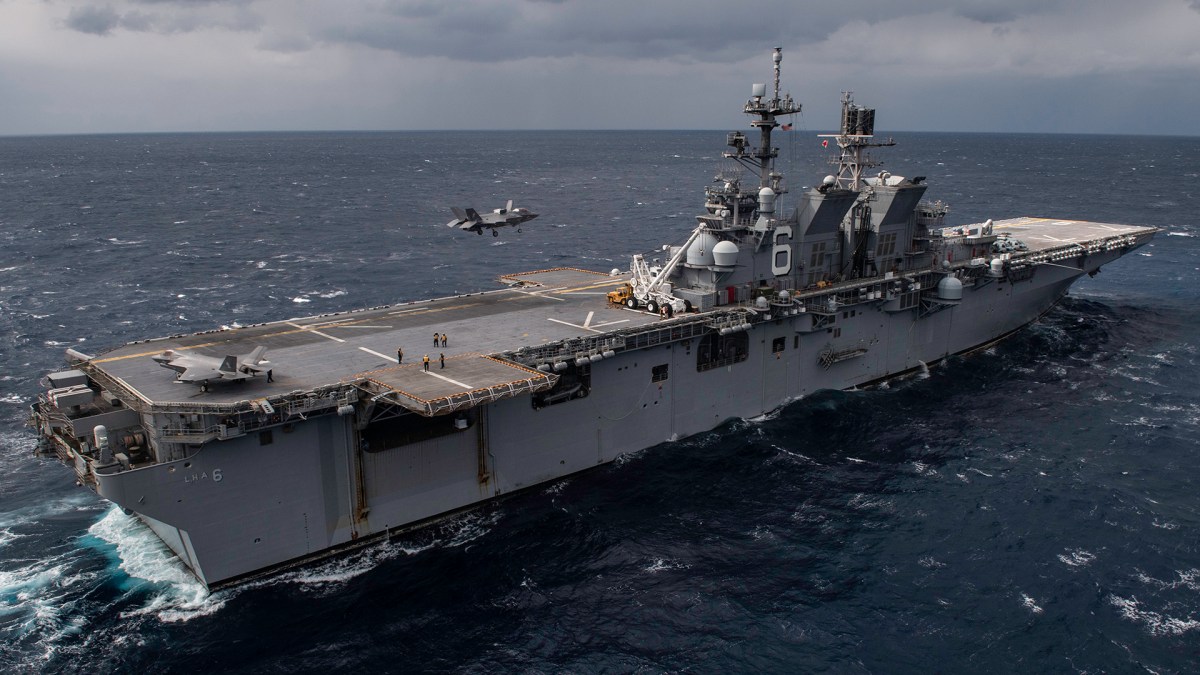
The United States Navy has implemented a structural realignment of its command hierarchy, mandating that Surface Warfare Officers (SWOs) assume exclusive command of the amphibious warfare fleet. This directive, issued by Chief of Naval Operations Adm. Daryl Caudle in an April 24 memorandum, terminates the long-standing tradition of Naval Aviators leading high-value amphibious assault ships (LHAs/LHDs). This shift reflects an institutional pivot from operational employment metrics toward material sustainment and engineering lifecycle management across the 32-ship amphibious force.
Engineering Mastery and Failure Mode Mitigation
The policy change is rooted in the urgent requirement for ‘exquisite readiness’ within the amphibious fleet. Unlike the previous generalist leadership model, the new mandate requires commanding officers to possess granular knowledge of component design and failure modes. By leveraging the technical background of SWOs—whose careers are defined by shipboard systems management and damage control—the Navy aims to identify systemic vulnerabilities before they lead to catastrophic equipment failures or deployment cancellations. This engineering-centric philosophy elevates shipyard accountability to a core competency of command.
The 24-Month Mandate: Combatting Short-Termism
To ensure continuity in maintenance cycles, the Navy now requires amphibious commanding officers to serve a minimum of two years. Historically, short command tenures incentivized a culture of ‘short-termism,’ where leaders prioritized immediate mission success over long-term hull health. A standardized 24-month window forces accountability for multi-year shipyard availabilities and complex overhaul periods. This stability is critical for managing the 32-ship inventory required to support the Marine Corps’ Expeditionary Advanced Base Operations (EABO) and global force projection requirements.
Institutional Repercussions and Career Trajectories
This realignment significantly alters the internal power dynamics of the Navy’s officer corps. For the aviation community, the loss of big-deck amphibious command removes a traditional prerequisite for aircraft carrier leadership, necessitating new career pipelines. Conversely, it provides the surface community with expanded influence over the Navy’s most complex non-carrier assets. While this may create friction between embarked aviation units and surface-led ship companies, the Navy views this specialization as a strategic hedge against the material degradation of the fleet in a high-tempo, contested maritime environment.
Photo by sundownerfighting111 on Pixabay.