The Structural Transition from Melodrama to Institutional Danger
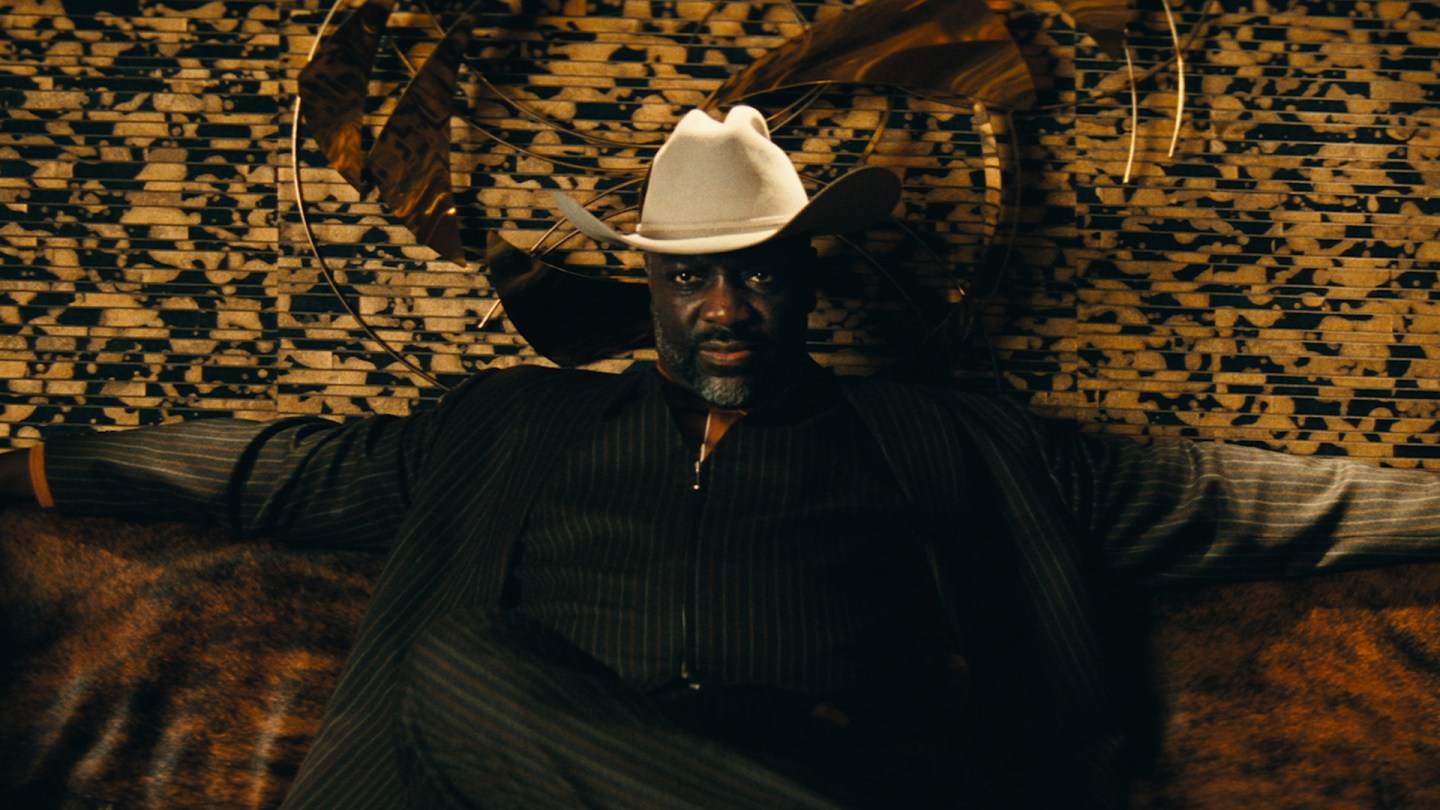
The third season of Euphoria executes a profound realignment of its narrative architecture. By abandoning the localized constraints of suburban high school life for the sprawling volatility of Los Angeles’ organized crime, the series elevates its stakes from interpersonal conflict to systemic institutional risk. This evolution is anchored by Alamo Brown, portrayed by Adewale Akinnuoye-Agbaje, whose introduction transforms the show’s focus from individual addiction to the predatory mechanics of power and exploitation.
Subverting the Antagonist: The Existential Pivot
The creative decision to alter the finale—transitioning from a triumphant death for Alamo Brown to an existential crisis—represents a shift toward intellectual capital over visceral action. Initially scripted as a victor over both the DEA and rivals like Laurie, Brown’s eventual path focuses on spiritual bankruptcy. This collaborative pivot between Akinnuoye-Agbaje and Sam Levinson humanizes the season’s primary antagonist, complicating the audience’s moral alignment and reinforcing the show’s prestige standing through psychological depth rather than mere plot closure.
Performance as Production Asset: Method Acting and Authenticity
Akinnuoye-Agbaje’s nine-month immersion into a Southern accent and a violent persona functions as a significant performance asset, providing a gravity that anchors disparate storylines. This commitment to transformative acting serves as a strategic differentiator in the competitive landscape of prestige television. However, such intensive methodology also introduces operational considerations, requiring the production to manage the actor’s psychological alignment with a volatile character within a rigid filming schedule.
Visual Rhetoric and the Spectacle of Vulnerability
The climactic thirty-second sequence involving a horse-mounted attack on Rue (Zendaya) illustrates the intersection of high-risk stunt coordination and narrative tension. Requiring six weeks of specialized training, this production choice emphasizes the premium placed on visual spectacle to drive social media engagement. Strategically, the scene underscores Rue’s physical vulnerability while establishing Brown’s capacity for theatrical cruelty, highlighting the financial and operational investment required to execute Levinson’s ambitious creative vision.
Economic Undercurrents and Human Capital
The narrative framing of Rue’s transition into Alamo Brown’s orbit explores the economics of indentured servitude within the illicit drug trade. Brown’s ‘rescue’ of Rue is a strategic acquisition rather than a humanitarian gesture, reinforcing his identity as a tycoon who treats individuals as leverageable assets. This dynamic ensures that narrative tension is derived from Rue’s lack of agency within a predatory financial ecosystem, reflecting the harsh realities of the Los Angeles setting.
Conclusion: The Strategic Legacy of the Season 3 Finale
Through its structural revisions and the complex portrayal of Alamo Brown, Euphoria Season 3 has redefined its narrative boundaries. By prioritizing existential reflection over traditional action-oriented resolutions, the series has elevated its intellectual standing. The power vacuum created by the finale’s conclusion sets a new benchmark for character-driven drama, ensuring the series remains a dominant force in the prestige television landscape.