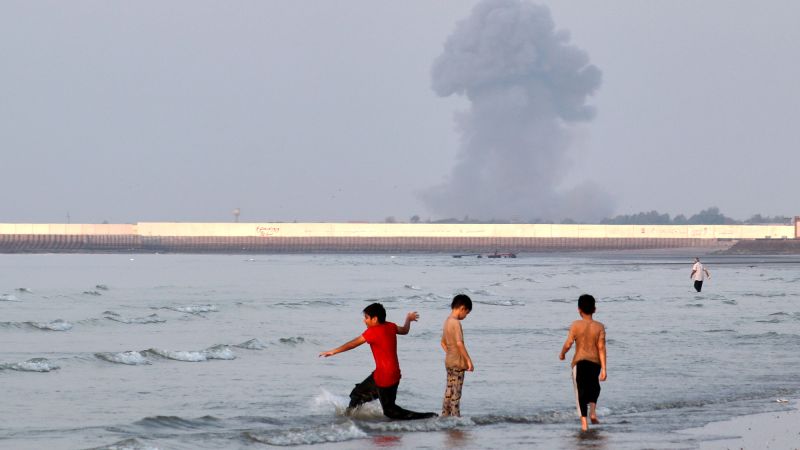
The United States has formally reinstated its naval blockade of Iranian ports, a pivotal escalation in regional maritime strategy. This move revives the containment framework utilized between April and June, underscoring a return to active maritime interdiction. By leveraging naval choke points, the US seeks to systematically restrict Iranian state-level logistics and trade.
A formal blockade requires persistent deployment of maritime assets to monitor and control sovereign access. This posture forces global shipping entities to recalibrate risk profiles and insurance premiums. As a high-leverage mechanism, the blockade serves to impede economic mobility, signaling that previous diplomatic efforts have failed to secure strategic concessions.
Economic Pivot: From Transit Fees to Sovereign Capital
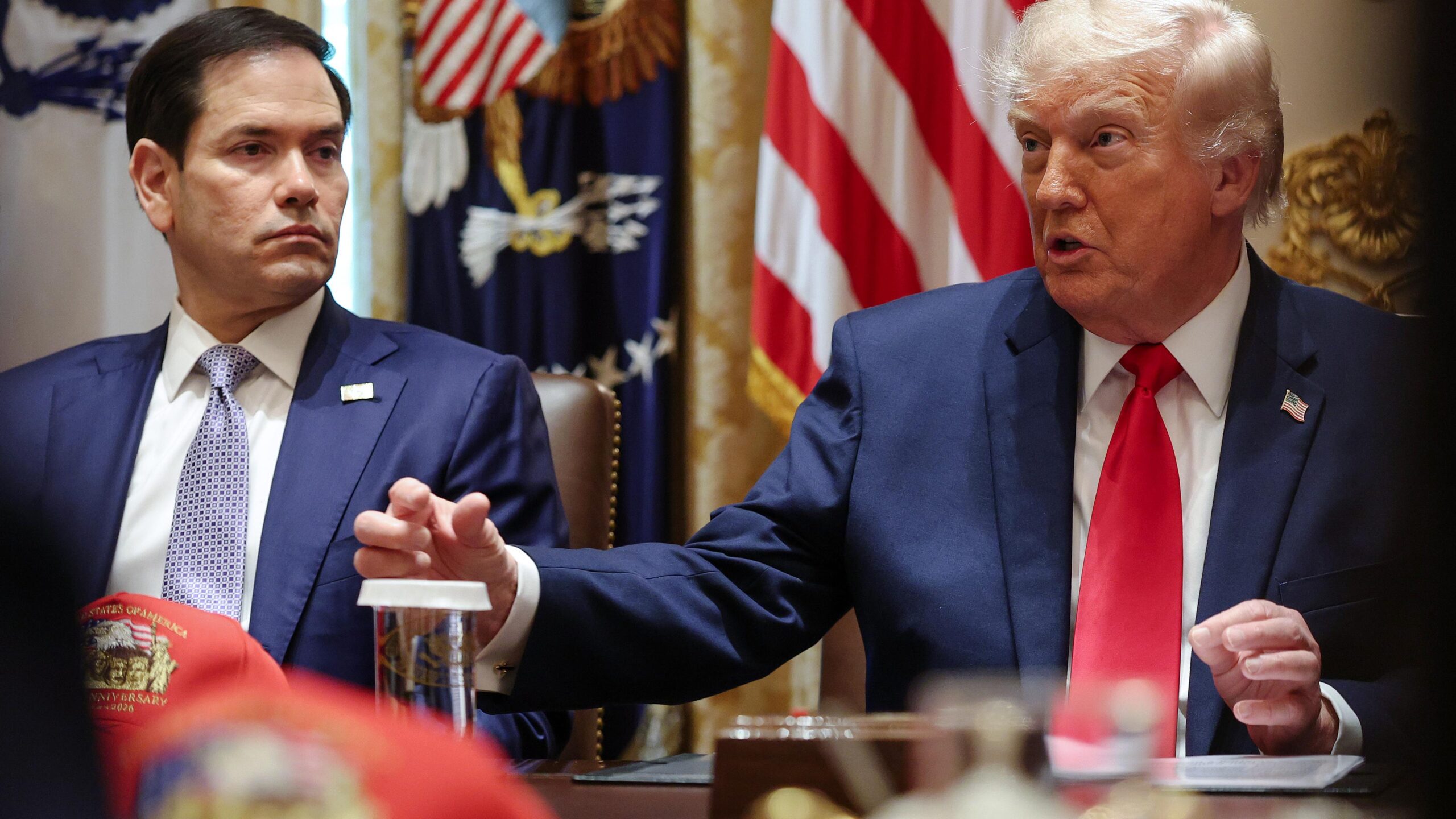
President Trump has rescinded the proposed 20% cargo reimbursement fee for vessels transiting the Strait of Hormuz. In its place, the administration has secured a framework of Gulf state investments within the US. This transition represents a shift from transactional maritime taxation to long-term sovereign capital integration.
By substituting transit levies with foreign direct investment, the US offsets the costs of its regional military presence without inducing further inflationary pressure on global supply chains. This approach stabilizes energy logistics while embedding regional partners deeper into the US economic security architecture.
Operational Analysis: Sustained Strike Campaigns
US Central Command has executed a coordinated seven-hour strike wave—the fourth consecutive night of operations—targeting military infrastructure near the Strait of Hormuz. These strikes aim to degrade coastal defense capabilities and secure maritime dominance.
The duration and frequency of these strikes signify a move from symbolic deterrence to a campaign of systematic degradation. By systematically targeting command-and-control nodes, the US military seeks to neutralize anti-access, area-denial (A2/AD) capabilities within the theater.
Regional Expansion and Escalatory Thresholds
Iranian reports of counter-strikes against US assets in Jordan indicate an expansion of the conflict theater. This development complicates US defensive planning, forcing the redistribution of air defense assets across a broader geographic front. Simultaneously, President Trump has threatened to target civilian dual-use infrastructure, such as power plants, if negotiations remain stalled—a hallmark of coercive diplomacy.
Legislative Friction and Strategic Uncertainty
Congressional opposition, centered on the “Enough Is Enough” movement, highlights growing unease regarding the lack of a formal war mandate and a defined exit strategy. The reliance on executive authority for prolonged military action continues to fuel domestic political friction, creating uncertainty regarding the sustainability of the current campaign.
Systemic Implications for Global Markets
The convergence of a naval blockade and kinetic strike operations creates a volatile environment for global commerce. While the shift toward investment-based security offers a temporary financial buffer, the underlying physical risks to shipping remain unresolved. Until a sustainable diplomatic framework emerges, the region remains trapped in a cycle of escalation, threatening global supply chain stability.