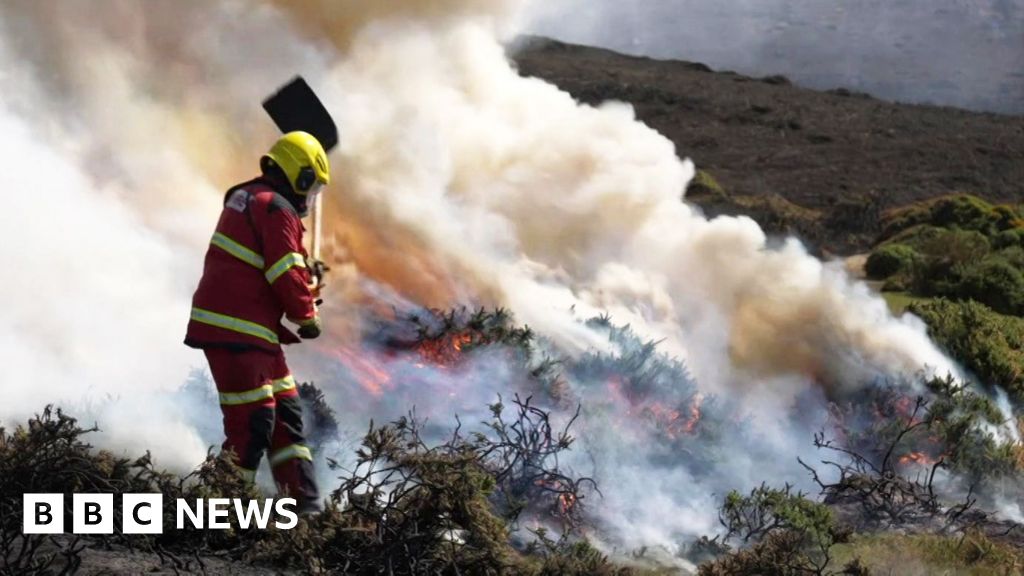
The United Kingdom’s emergency response infrastructure is currently navigating a period of systemic operational strain, as a third consecutive heatwave exacerbates wildfire volatility across diverse topographies. National Fire Chiefs Council (NFCC) Chair Phil Garrigan has characterized the environment as one of extreme pressure, where the absence of precipitation creates a compounding risk profile that challenges traditional suppression models.
Procedural Escalation and the Urban-Wildland Interface
The simultaneous management of 19 active wildfires has necessitated the activation of major incident protocols in Derbyshire and North Wales, signifying a formal transition to multi-agency resource mobilization. In Glossop, the Tintwistle Moor fire—active for three weeks—underscores the logistical complexity of managing peat-heavy environments during prolonged droughts. Similarly, the Sychnant Pass wildfire near Conwy Mountain highlighted the vulnerability of the urban-wildland interface, requiring the evacuation of residents and demonstrating how localized ignitions can rapidly threaten critical residential infrastructure.
Strategic Vulnerabilities: Resource Scarcity and Water Tension
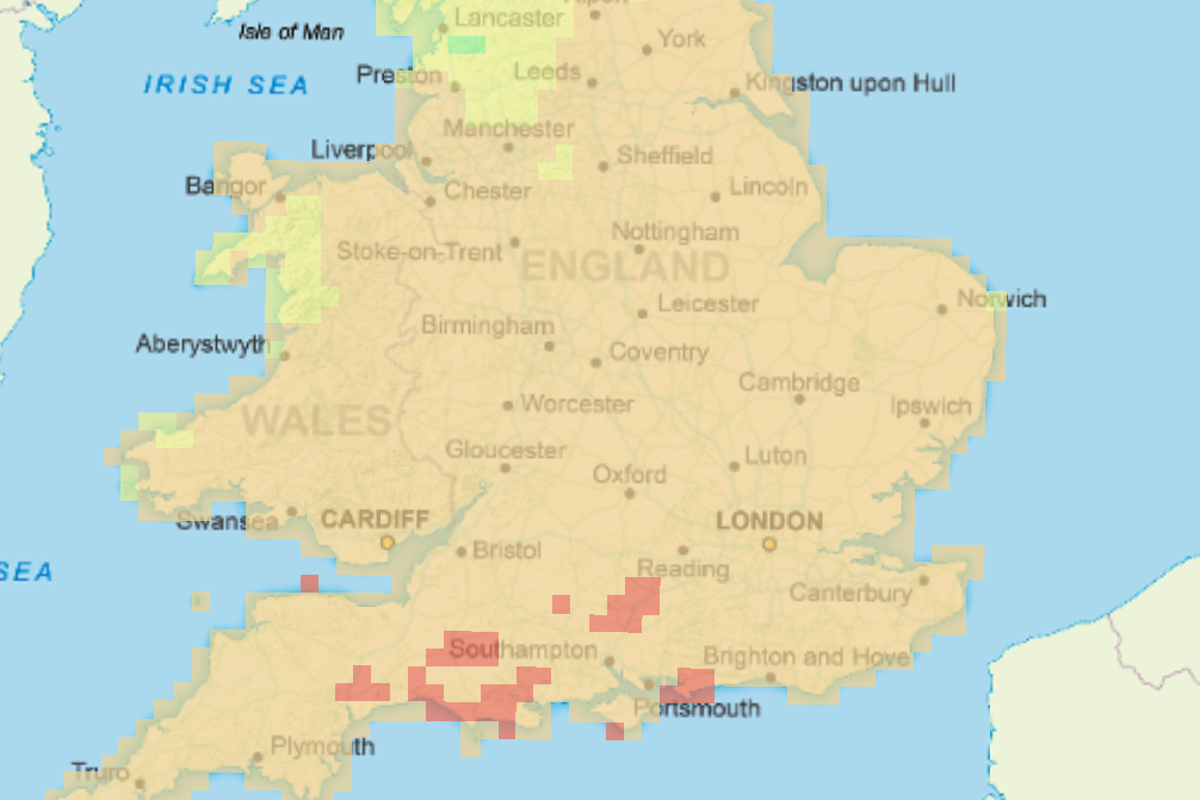
Data from Natural England reveals a stratified risk landscape, with the majority of England and Wales under ‘very high’ risk, while the Isle of Wight has reached ‘exceptional’ risk levels. This widespread vulnerability undermines mutual aid agreements, as regional services—including London and the South West—are forced to prioritize localized threats over national redistribution. Furthermore, the implementation of domestic hosepipe bans creates a strategic tension between water conservation and the massive volumes required for large-scale fire suppression, exposing a critical vulnerability in utility-service coordination.
Ecological Asset Exposure and Geographic Dispersion
The geographic breadth of current activity—stretching from Durham to Devon—presents a significant hurdle for the NFCC’s specialized equipment rotation. Beyond immediate safety concerns, the fires in Braichmelyn forestry and the Rhinogydd range threaten high-value timber and protected ecological assets. Stakeholders in the agricultural sector report that fuel moisture levels have reached historical lows, pushing landscapes beyond known recovery baselines and increasing the likelihood of uncontrollable spread across grazing lands.
The Firewave Concept: Institutional Resilience
The emergence of the ‘firewave’ concept suggests that heatwaves are no longer isolated meteorological events but are now systemic triggers for prolonged fire crises. This cumulative drying effect—where each heatwave begins from a lower baseline of moisture—requires a reassessment of risk models for the insurance and real estate sectors. As the NFCC manages this stress test, the crisis will likely dictate future policy regarding funding, specialized equipment procurement, and long-term land management strategies aimed at building climate resilience.