When live-action intellectual property adaptations surged across major studios in the early 2000s, box office windfalls frequently created an illusion of structural career stability. Matthew Lillard, surveying a forty-year tenure across the entertainment industry, provides a case study in how tentpole commercial trajectories mask acute talent vulnerability. While major studios distribute exposure across diversified slates, creative labor remains singularly exposed to sequel underperformance—a dynamic that can trigger immediate professional marginalization and personal financial retrenchment.
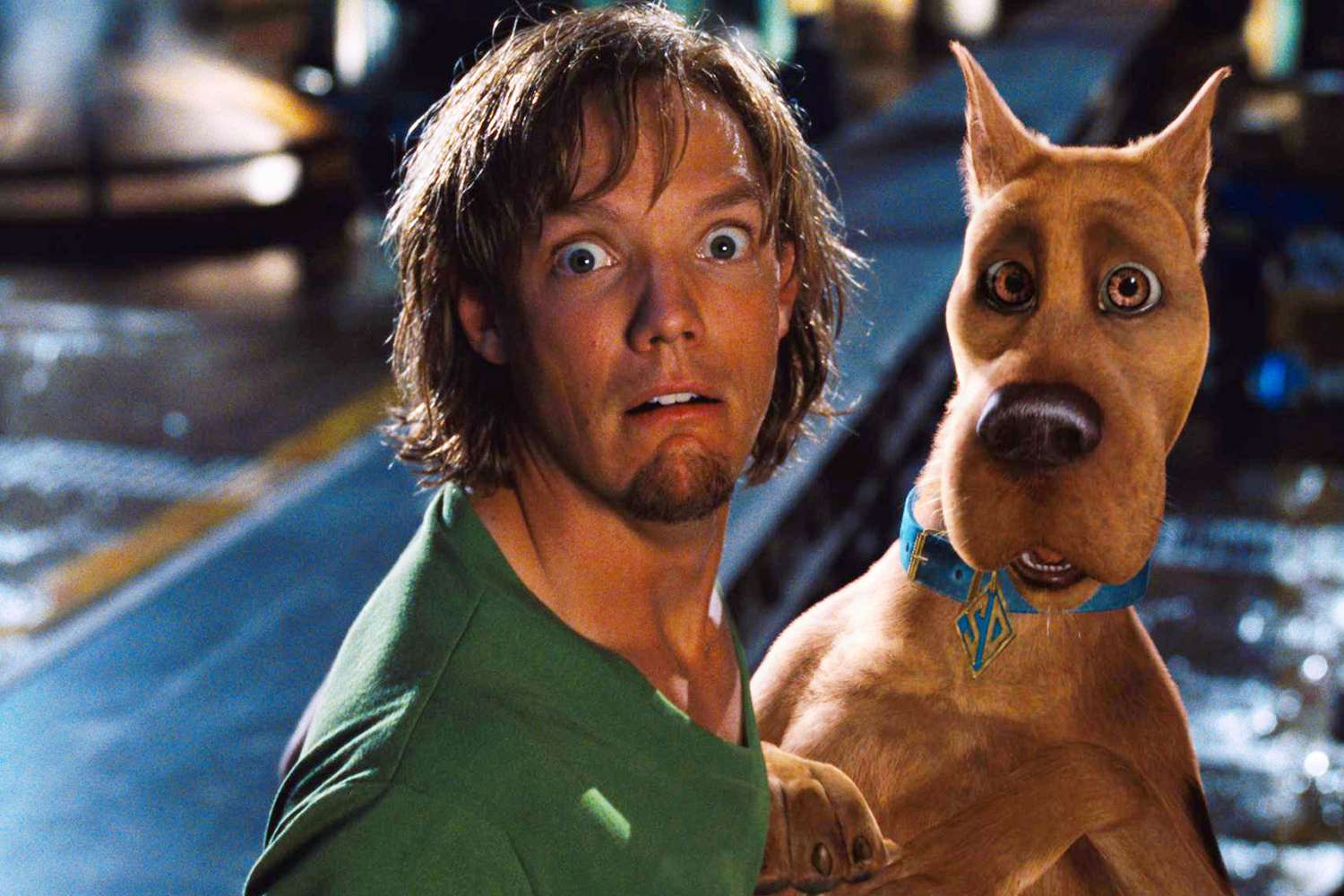
Warner Bros.’ 2002 live-action release of Scooby-Doo initially appeared to solidify its central cast—Lillard as Norville “Shaggy” Rogers alongside Freddie Prinze Jr., Sarah Michelle Gellar, and Linda Cardellini—as premier commercial assets. Grossing over $275 million worldwide, the production validated studio investments in heritage animation. Operating under standard industry incentives, Lillard anticipated that anchoring a high-grossing tentpole would convert directly into persistent studio leverage.
The Asymmetry of Franchise Depletion
The institutional reality of studio risk management emerged two years later. The 2004 sequel, Scooby-Doo 2: Monsters Unleashed, delivered disappointing box office metrics that abruptly terminated the live-action franchise. For production conglomerates, theatrical write-downs are routinely absorbed across broad balance sheets; for the performers central to those properties, commercial deceleration often incurs a direct reputational penalty.
Lillard found his casting pipeline abruptly curtailed. The collapse in studio demand provoked concerns of permanent obsolescence, particularly as an actor whose initial breakthrough occurred during the 1990s in titles like Scream. As incoming scripts dwindled, the reputational burden of the underperforming sequel generated years of targeted resentment toward the intellectual property itself, transforming a marquee credit into a perceived institutional liability.
Balance Sheet Realities and Lifestyle Retrenchment
The downstream consequences of franchise abandonment quickly migrated from casting offices to household balance sheets. Performers frequently scale personal overhead in anticipation of recurring production agreements; when commitments dissolve following a singular box office shortfall, fixed operating costs outlast episodic income. Lillard revealed that the prolonged post-2004 contraction forced his family to liquidate their primary residence and radically downsize their cost of living.
This liquidation illustrates the systemic precarity confronting mid-tier creative labor lacking equity stakes or backend ownership points. Without residual participation structures capable of offsetting multi-year gaps between bookings, even recognizable talent remains exposed to immediate liquidity shocks. The inability to monetize the secondary life of the property left Lillard absorbing the localized financial distress of a corporate studio recalibration.
Casting Typologies and Institutional Gatekeeping
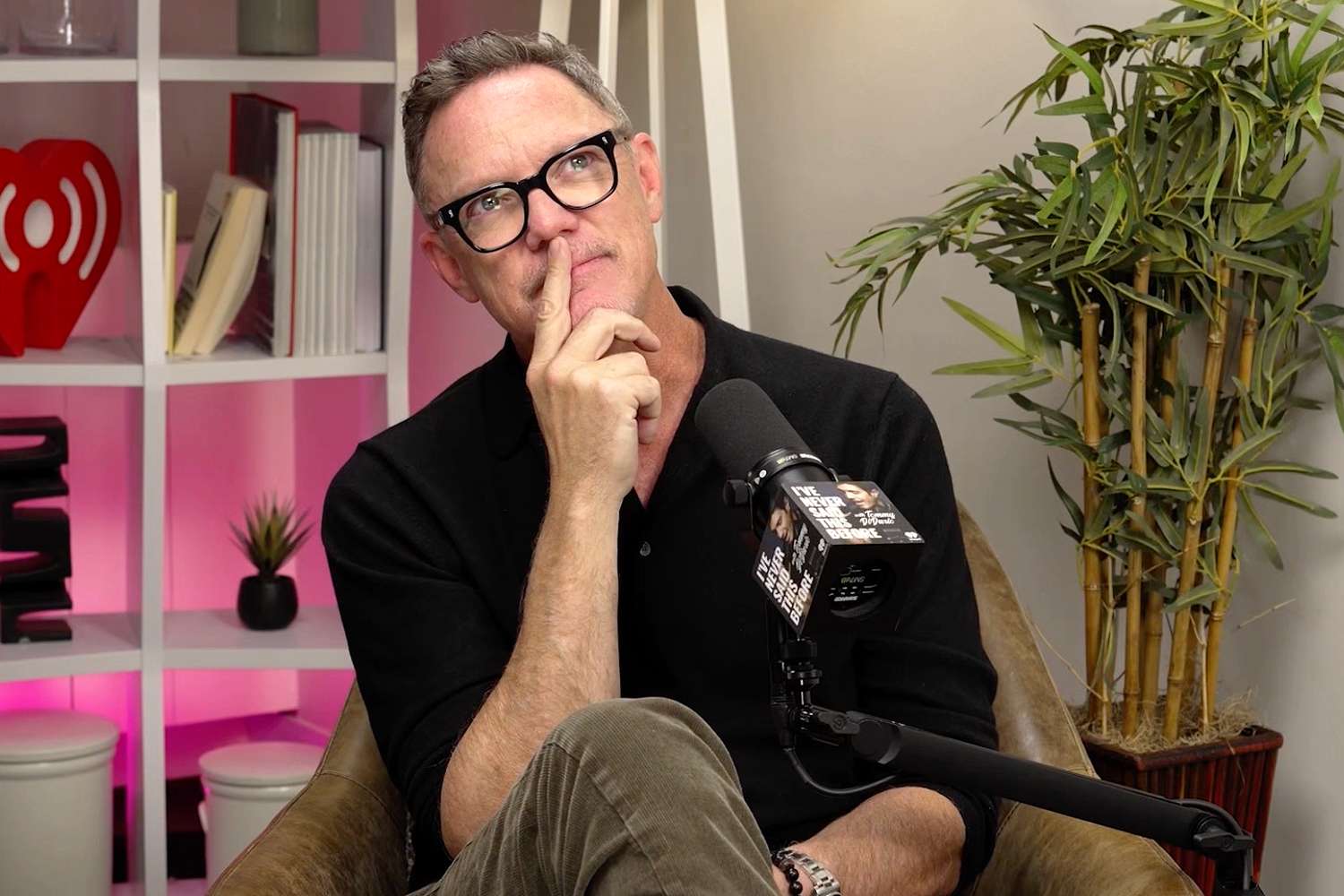
Beyond macroeconomic box office cycles, Lillard’s account—detailed during an appearance on Tommy DiDario’s podcast—critiques Hollywood’s systemic reliance on reductive talent categorization. Major studios utilize rigid casting typologies as capital de-risking mechanisms, categorizing performers to streamline marketing and mitigate consumer friction. Because Lillard’s kinetic physical performances and unconventional screen presence resisted standardized archetypes, industry gatekeepers struggled to position him within high-prestige dramatic pipelines.
This classification friction established rigid ceilings. Lillard observed that despite four decades of continuous production activity, institutional tastemakers have rarely associated his output with formal critical acclaim. Stranded between mainstream comedic caricature and dramatic consideration, non-conforming performers bear a disproportionate burden of proof when seeking counter-type opportunities.
Labor Friction and Ongoing Audition Realities
Despite accumulating extensive screen equity and cultivating a generational audience, Lillard underscores that industry tenure does not confer operational deference. Four decades into his career, he remains locked in standard labor competition, actively auditioning and fighting for individual engagements. This persistent friction challenges the perception that legacy status automatically establishes creative autonomy.
The contraction of mid-budget theatrical features—historically the primary economic engine for character actors—has intensified this competition. As studio slates polarize between ultra-high-budget franchise installments and low-budget acquisitions, character performers must navigate compressed hiring windows. Lillard views this operational demand without grievance, acknowledging that continuous labor competition constitutes the structural baseline for actors outside executive producer ranks.
Repositioning Failure: Legacy Over Balance Sheets
Over time, Lillard’s initial frustration regarding the Scooby-Doo trajectory evolved into an analytical framework centered on career durability. He now characterizes the post-franchise collapse as a vital corrective that eliminated early professional hubris and fostered operational resilience. Detaching self-worth from studio casting cycles enabled a sustainable, long-term approach to working-actor status.
Concurrently, the cultural capital generated by his interpretation of Shaggy Rogers decoupled from the 2004 financial shortfall. While studio accounting dismissed the live-action continuity as an exhausted investment, audience reception transformed Lillard’s performance into a multi-generational touchstone. This divergence underscores the frequent temporal disconnect between corporate quarterly metrics and durable creative legacy, demonstrating that long-term survival in entertainment depends on absorbing systemic shocks rather than relying on ephemeral franchise security.