
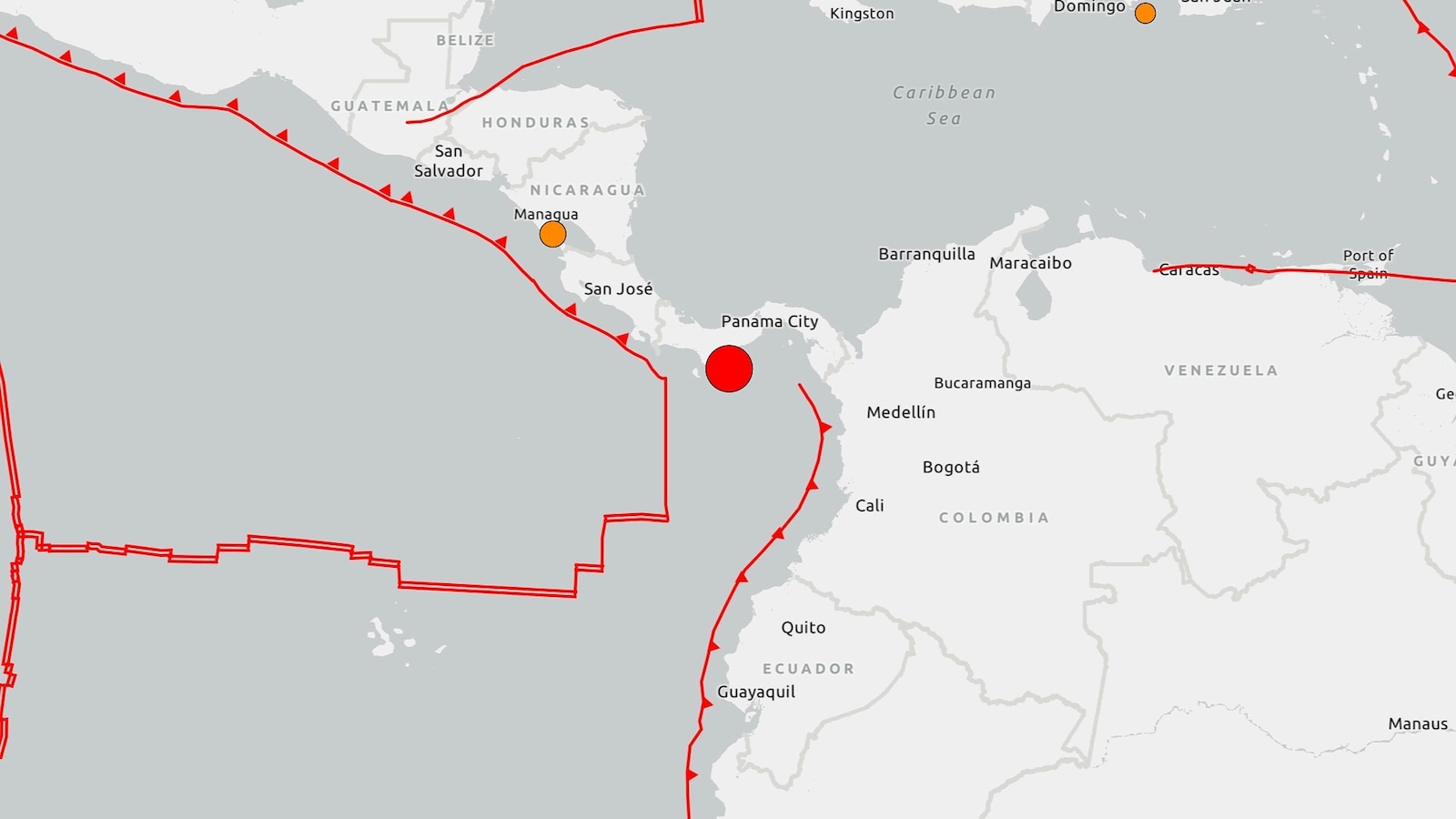
Seismic Volatility and Strategic Maritime Exposure
The 7.7 magnitude earthquake recorded in southern Panama on October 9, 2026, serves as a critical stress test for the Western Hemisphere’s maritime infrastructure. Centered 12 km west-southwest of Pitaloza Arriba, the event’s Pacific-side proximity places the Panama Canal—a lynchpin of global energy and commodity transit—under immediate operational scrutiny. This high-magnitude event necessitates the simultaneous activation of institutional emergency protocols and deep-ocean assessment systems to mitigate systemic disruption.
USGS data has triggered the U.S. Tsunami Warning System for nine nations, including Mexico, Peru, and Colombia. This broad geographical activation highlights the systemic vulnerability of the Pacific Rim to subduction-related kinetic energy. For stakeholders in the maritime and insurance sectors, the focus has shifted from terrestrial seismic damage to the potential for tsunami-induced surges that could compromise port integrity and global supply chain fluidness.
Institutional Mechanics of Tsunami Mitigation
The coordinated multi-national response involves Costa Rica, El Salvador, Peru, Mexico, Guatemala, Panama, Nicaragua, Colombia, and Ecuador. This threat forces an immediate operational pivot for coastal industries, particularly fisheries and tourism. National disaster agencies are currently tasked with translating USGS intelligence into localized evacuation strategies, testing the latency of regional early-warning networks and public notification systems.
Port authorities face a high-stakes logistical dilemma: ordering vessels to sea to avoid harbor-reflected waves or maintaining berthing to preserve cargo schedules. These decisions carry significant economic weight, as the 7.7 magnitude serves as a catalyst for testing the resilience of coastal defense systems and the efficacy of disaster diplomacy between the U.S. and Latin American partners.
Logistical and Financial Risk Projections
The Pacific entrance of the Panama Canal remains the primary focal point for global logistics. Beyond immediate seismic forces, tsunamis pose risks to lock mechanisms and dredging operations. Any closure would trigger a cascade of downstream effects on freight rates and just-in-time manufacturing cycles. Infrastructure such as the Port of Balboa and regional petroleum terminals must also be assessed for soil liquefaction and structural fatigue.
Financially, the event impacts sovereign risk and catastrophe bond clauses for nations like Guatemala and El Salvador. The insurance industry faces exposure to high-value coastal assets in Mexico and Peru, where even minor surges can trigger substantial claims. Markets are currently reflecting a flight to safety as the ‘developing story’ status creates temporary information vacuums, emphasizing the need for verified, real-time data to prevent speculative volatility in regional commodities.
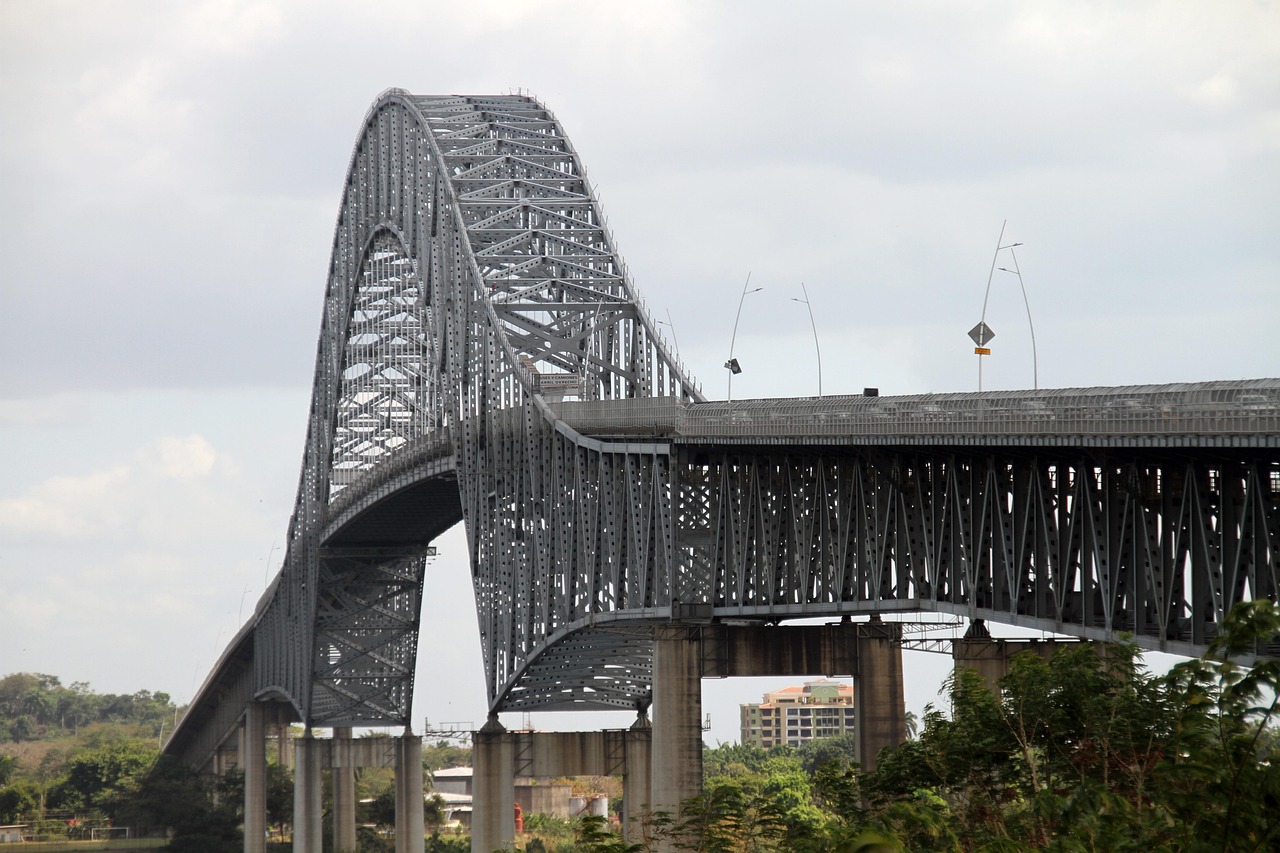
Photo by MonicaVolpin on Pixabay.