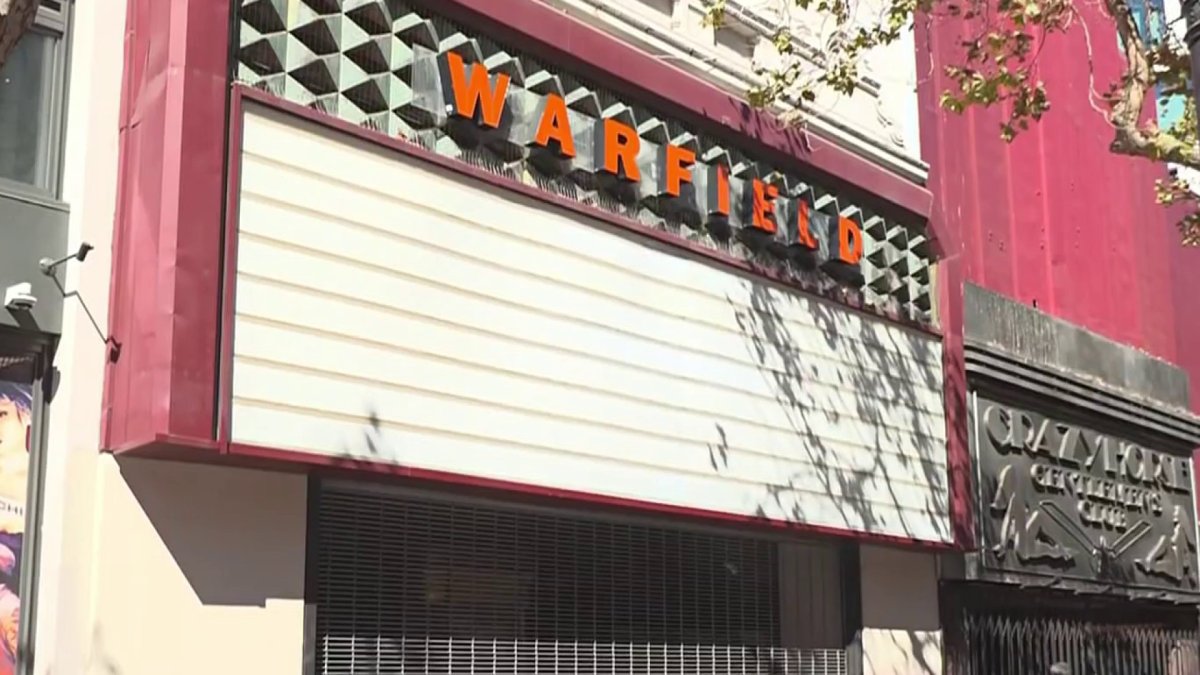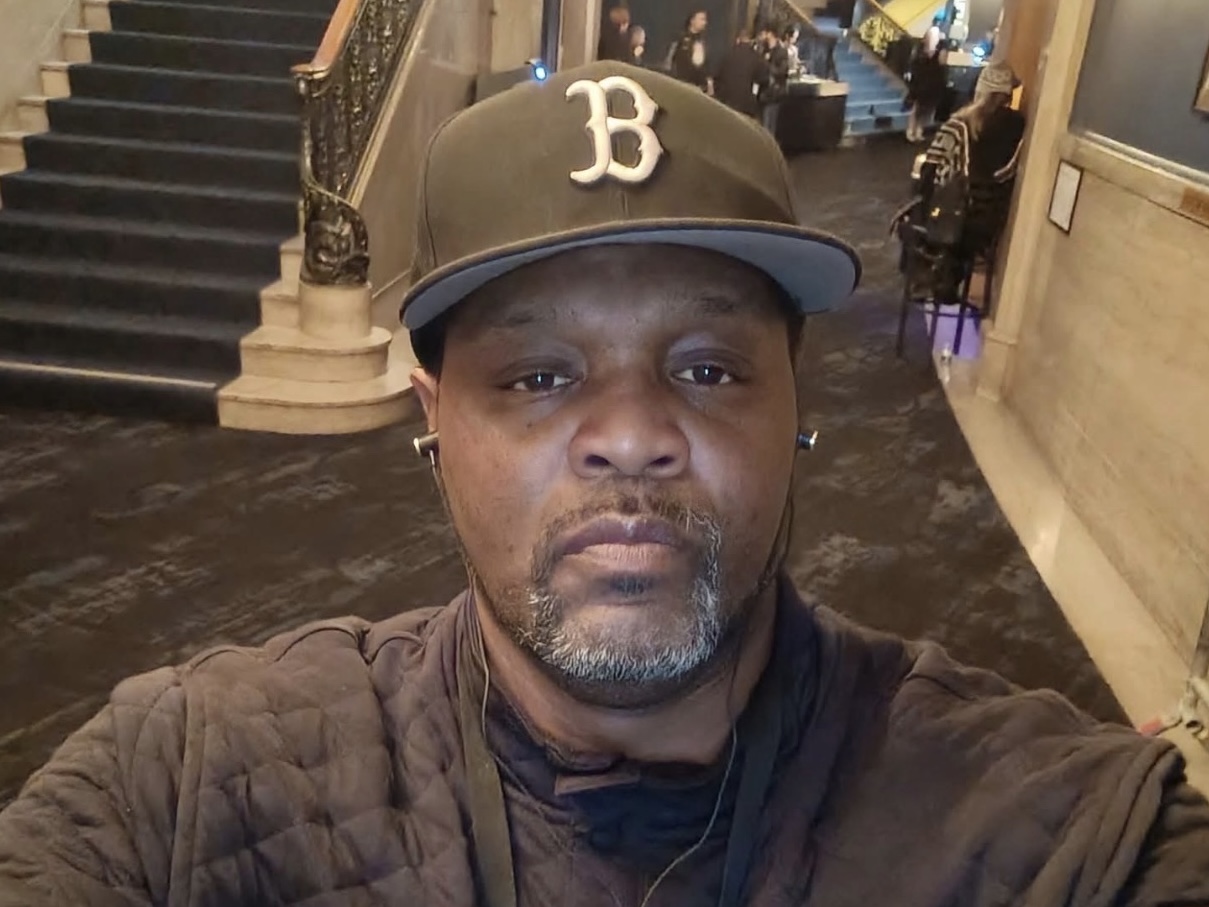
The fatal shooting of security guard Ulysses Tykee Davis outside San Francisco’s historic Warfield Theatre exposes the complex operational vulnerabilities confronting urban entertainment venues. Davis, a forty-seven-year-old security professional, was killed following a late-night event for the reality television show Baddies. This incident focuses municipal and industry attention on crowd control mechanisms, private security deployment, and venue liability.
According to the San Francisco Police Department and the District Attorney’s office, the confrontation began as an internal disruption inside the Market Street venue around midnight. Davis was escorting a disruptive individual from the premises when the situation escalated onto the public thoroughfare. The operational friction between private venue boundaries and municipal spaces complicates risk management for personnel attempting to handle disorderly patrons.
Institutional and Judicial Responses
San Francisco District Attorney Brooke Jenkins filed formal charges against thirty-two-year-old Shakia Vanderbilt, including murder with enhancements for discharging a firearm in an occupied building and felon in possession of a firearm. These charges align with California’s statutory penalties for gun violence targeting nightlife workers. Investigators have also linked Vanderbilt to a historical retail theft ring responsible for large-scale merchandise theft across California, highlighting the intersections between property crime networks and violent street offenses.
The emotional toll of the tragedy was compounded by the presence of the victim’s family. Terrance Cooper confirmed that Davis’s wife and two of his six children witnessed the encounter outside the theater, underlining the collateral trauma experienced by relatives during public safety failures.
Regulatory and Community Implications
The ongoing investigation scrutinizes event permits and venue security compliance, specifically how a weapon bypassed screening protocols. These regulatory gaps demand heightened oversight from city planners balancing nightlife economies against public safety mandates.
For the Bayview-Hunters Point community, the loss resonates across personal and civic networks, while the swift mobilization of the SFPD and District Attorney’s office resulted in a prompt arrest. As the judicial process advances toward arraignment, the case underscores the persistent hazards defining municipal security operations.