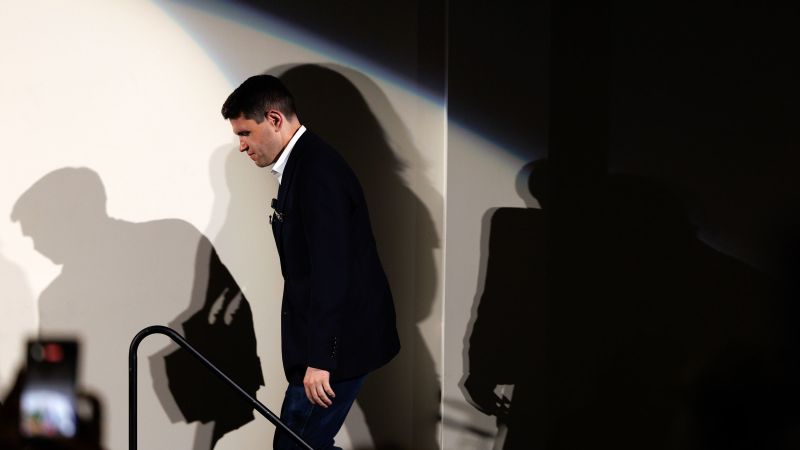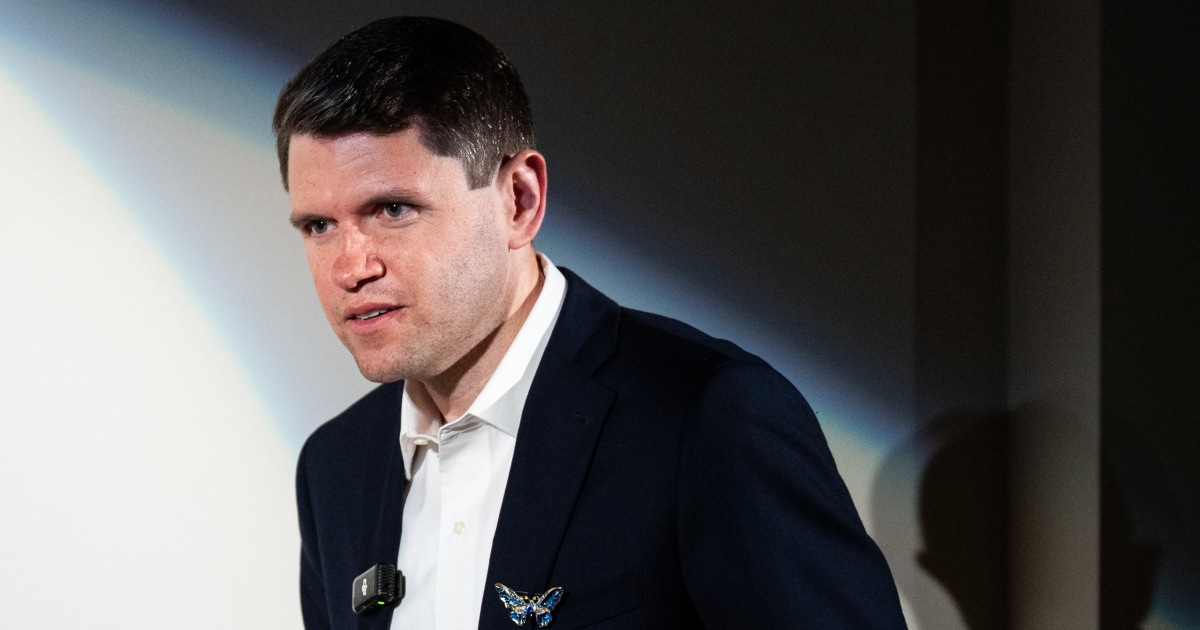
A twelve-day absence from in-person campaigning in the Texas Senate contest has ignited a volatile tactical front between Democratic state Representative James Talarico and Republican nominee Ken Paxton. Emerging in the critical final stretch of an election cycle where Democrats perceive a competitive opportunity for the first time in decades, this disruption highlights how late-stage schedule interruptions can significantly alter campaign leverage. In politically charged environments, a candidate’s physical availability is crucial for voter engagement and serves as a primary defense against aggressive opposition messaging.
The dispute escalated following a San Antonio campaign rally where Paxton, the Texas Attorney General, leveraged Talarico’s absence to orchestrate public chants questioning his opponent’s engagement. By amplifying the issue through rallies and social media, Paxton’s campaign transformed an unscheduled campaign hiatus into a narrative of voter responsiveness. This maneuver demonstrates how sudden interruptions in ground operations allow opponents to dictate the terms of engagement during high-attention periods.
National political dynamics quickly intersected with the statewide campaign when former President Donald Trump intervened via Truth Social, labeling Talarico as “missing in action” and advocating for a debate between the nominees. The integration of high-profile political commentary underscores the intense national attention directed toward Texas as a pivotal electoral prize. When national figures amplify localized campaign disputes, regional communication strategies face acute pressure to manage institutional narratives within compressed timelines.
Tactical Repercussions of Ground Schedule Disruption
Candidate visibility is the cornerstone of retail politics, especially in geographically expansive states like Texas that necessitate continuous regional outreach. Talarico’s campaign confirmed the absence was due to a severe bout of influenza, following an intensive schedule that included over one hundred public appearances statewide. In such large-scale contests, the physical demands of sustained field operations frequently clash with the accelerated pace of late-stage electoral cycles.
The timeline detailed by both campaigns reveals vulnerabilities that arise when physical campaigning pauses during key mobilization phases. Talarico’s final in-person appearance in Texas occurred on September 26, preceding a private fundraising visit to New York on September 29. Upon returning to Dallas, the candidate sought medical treatment and subsequently disclosed his diagnosis during a virtual appearance on September 30.
Opposing political operations routinely exploit logistical deviations to assert broader themes regarding institutional focus and candidate availability. Paxton’s campaign capitalized on this sequence by contrasting out-of-state fundraising with paused in-state events. Campaign spokeswoman Madison Cercy heightened the public exchange by demanding visual confirmation of the candidate’s active presence, illustrating how rival campaigns frame physical absence to question a candidate’s representation of over 31 million residents.
Messaging Strategy and the Mechanics of Trail Defense
In response to the sustained Republican offensive, the Democratic campaign sought to reframe the exchange by questioning Paxton’s broader accountability. Spokesperson JT Ennis defended Talarico’s rigorous field schedule, noting the candidate had engaged tens of thousands of voters prior to falling ill. The campaign coupled its defense with counter-accusations, arguing that Paxton prioritizes corporate donors and political patrons over the direct concerns of ordinary constituents.
This rhetorical exchange highlights a classic collision between competing communication models. One side weaponizes schedule irregularity to sow doubt over personal readiness and transparency, while the other emphasizes past grassroots engagement to portray opponent messaging as opportunistic distraction. In these contested communication environments, message efficacy hinges on which campaign maintains operational discipline across broad media landscapes.
Furthermore, managing unexpected candidate downtime poses significant logistical hurdles for campaign staffs striving to maintain outreach momentum. While virtual appearances maintain an ongoing institutional profile, they often lack the local news amplification typically accompanying live rallies and direct town hall engagements. Consequently, campaigns managing health-related absences face difficult trade-offs between physical recovery and active counter-messaging.
The Leverage of Multi-State Resource Distribution
Strategic dynamics in modern statewide campaigns necessitate navigating the tension between local retail organizing and broad fundraising demands. Talarico’s travel to New York for a private donor gathering exemplifies the financial necessities candidates face when contesting expansive media markets across Texas. Maintaining parity on commercial broadcast airwaves requires substantial capital, often drawing nominees away from in-state retail efforts.
However, when out-of-state fundraising coincides with lapses in grassroots visibility, it provides opponents with potent ammunition for political contrast. Paxton’s campaign leveraged this dynamic to question whether time spent outside the state compromises authentic regional prioritization. Such critiques illustrate the perpetual strategic friction between securing operational capital and sustaining an uninterrupted physical presence among the electorate.
For the Democratic operation, maintaining donor trust while addressing sudden messaging battles requires careful coordination. A candidate temporarily stepping away from public engagements must simultaneously protect financial outreach and convince local supporters that ground momentum remains uncompromised. The rapid back-and-forth between both campaigns underscores the fragility of campaign pacing when health realities interrupt carefully calibrated travel rosters.
National Scrutiny and Electoral Positioning
The intervention of national political leaders adds institutional complexity to the Texas Senate contest. Donald Trump’s public demand for a Paxton-Talarico debate signals an eagerness to focus national conservative attention on the race, transforming a localized hiatus into a wider ideological confrontation. When high-profile national figures engage in state races, it often galvanizes voter engagement across primary party bases.
Debate demands also function as tactical instruments, designed to force an opponent into structured, high-stakes public accountability on the challenger’s terms. By questioning an opponent’s public visibility and pushing for televised exchanges, a campaign seeks to dictate the temporal rhythm of the race. For Paxton, amplifying these demands reinforces his established stature among base voters while exerting procedural pressure on the opposing campaign’s scheduling apparatus.
Simultaneously, the focus on public debates compels both campaigns to deliberate over institutional exposure and candidate preparedness. Entering a televised debate following a public health disruption introduces specific performance risks that campaign strategists must weigh with extreme caution. As both teams balance media risk against voter expectations, public debates become focal points for assessing overall campaign trajectory.
Field Realities and Operational Restoration
The operational resilience of any political campaign faces scrutiny when the principal candidate pauses public engagements. Campaign structures must demonstrate that underlying field activities, including phone banking, regional canvassing, and digital messaging, continue effectively during leadership absences. A robust campaign machine is designed to absorb short-term shocks to candidate availability without losing institutional cohesion.
The Talarico campaign’s commitment to resume live events reflects an urgency to close vulnerabilities before they solidify into persistent narratives. A decisive return to the campaign trail enables a candidate to physically refute allegations of passivity through direct voter contact and public events. The speed with which an operation restores visible public activity often dictates whether an opponent’s narrative persists or fades as a temporary controversy.
Conversely, for the attacking campaign, maintaining narrative momentum requires continuous adaptation once the candidate resumes active field operations. If the target candidate returns to a demanding schedule, continued allegations of absenteeism face diminishing returns among uncommitted voters. The lifespan of the issue thus depends primarily on the actual duration of the hiatus and the vigor of the candidate’s return to the field.
Institutional Stakes in Late-Stage Campaigns
In high-stakes statewide politics, minor logistical disruptions frequently serve as proxies for broader debates over governance, endurance, and transparency. A twelve-day absence in an election cycle viewed by Democrats as their most promising Texas opportunity in decades highlights the high operational stakes of Senate campaigns. When margins for error are narrow, minor shifts in campaign rhythm can trigger significant strategic recalibration.
The broader implications of this dispute extend beyond everyday campaign squabbling into the fundamental operational models of modern politics. Modern campaigns are continuously observed, dissected, and challenged across social platforms and broadcast news, leaving little margin for unmonitored absences. How campaigns manage routine vulnerabilities, such as seasonal illness, serves as an indicator of organizational discipline, message resilience, and strategic agility under intense scrutiny.
As the Texas Senate race enters its final stages, the strategic lessons of this twelve-day window will likely shape subsequent communication choices. Both campaigns have staked significant political capital on competing characterizations of presence, representation, and accountability. Whether these thematic contrasts will sway undecided voters or merely harden existing partisan lines remains the central question governing the final push toward election day.