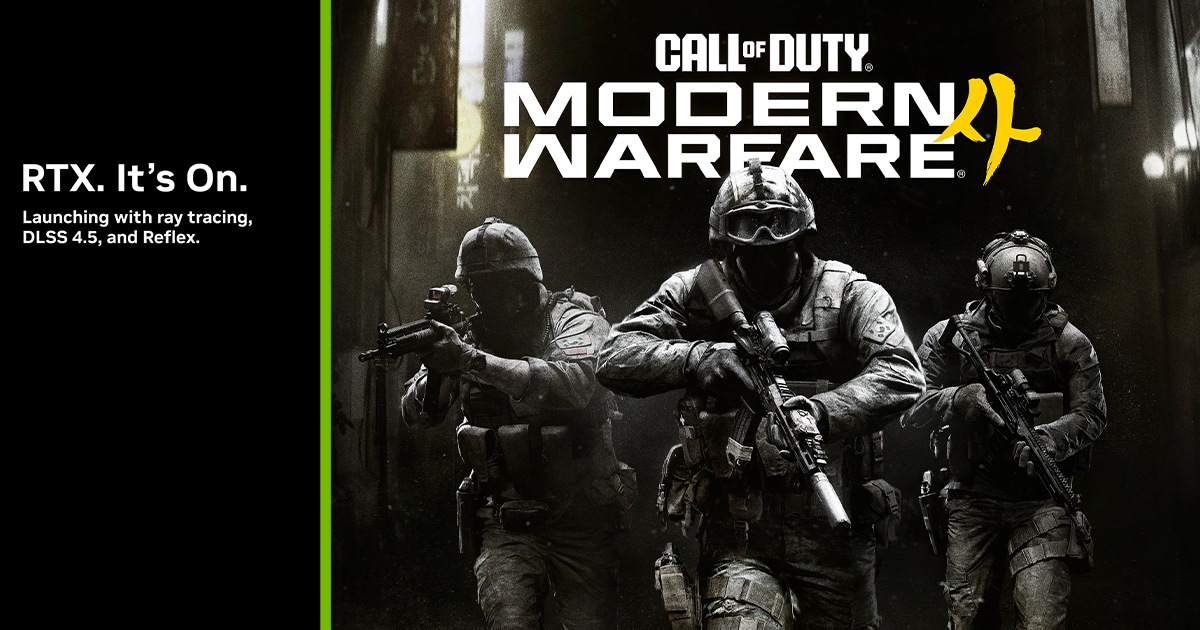
The convergence of advanced hardware acceleration frameworks and major franchise releases highlights a calculated alignment between graphics technology providers and major interactive entertainment publishers. As hardware architectures evolve to support complex rendering pipelines, graphics acceleration tools like DLSS 4.5 increasingly dictate the performance baseline for high-profile software deployments. This operational dependency shifts the competitive focus from raw hardware output to algorithmic efficiency and frame generation capabilities across diverse hardware ecosystems.
The scheduled release of Call of Duty: Modern Warfare 4 on October 23, preceded by campaign early access on October 16, positions the title as a primary testing ground for high-end visual enhancement technologies. By incorporating DLSS 4.5 suite technologies alongside Dynamic Multi Frame Generation, the deployment directly influences how players experience demanding multiplayer and extraction modes. Such integrations alter the economic calculus of hardware upgrades, pressuring consumers and platform holders to maintain compatibility with rapidly iterating rendering standards.
Strategic Ecosystem Dynamics
Platform expansion remains a critical driver of audience capture, evidenced by the simultaneous availability of Call of Duty: Modern Warfare 4 across PlayStation 5, Xbox Series X|S, Nintendo Switch 2, and PC platforms. This multi-platform strategy diffuses distribution risk while capitalizing on the installed base of diverse console architectures. However, technical optimization across varying hardware profiles demands sophisticated resource allocation from developers, balancing cutting-edge PC features with console-specific constraints.
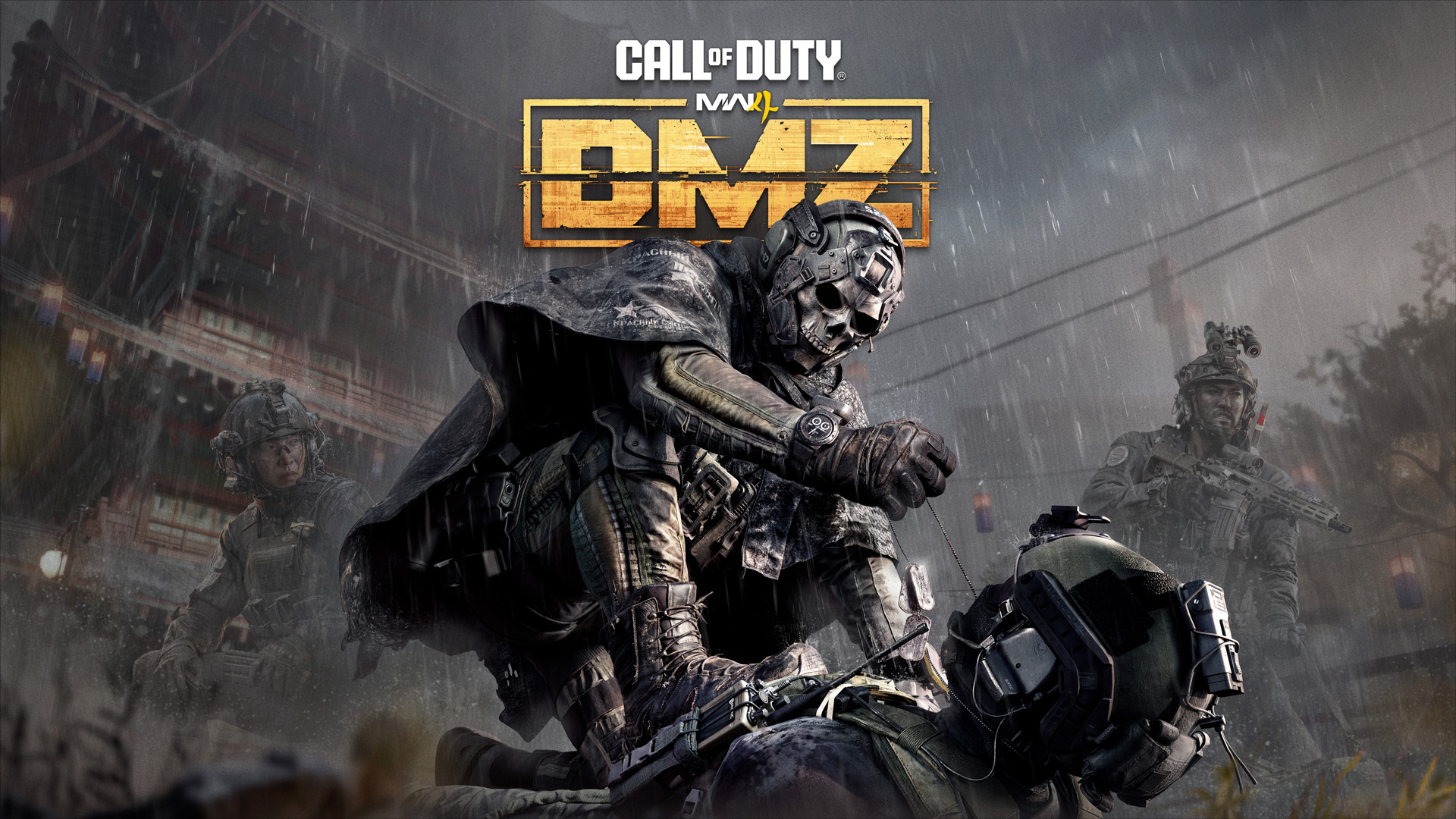
The introduction of the DMZ Story Missions trailer underscores a strategic shift toward narrative-driven extraction gameplay within established multiplayer frameworks. By weaving structured storytelling into open-ended extraction mechanics, developers seek to sustain player engagement over extended lifecycles. This structural evolution within the franchise addresses retention challenges inherent in traditional competitive loops, transforming extraction zones into persistent narrative environments.
Hardware Acceleration and Market Leverage
The timing of DLSS 4.5 deployments across an array of autumn releases illustrates a synchronized product cycle between hardware vendors and software developers. Titles such as Gears of War: E-Day, STAR WARS: Galactic Racer, and Microsoft Flight Simulator 2024 leverage these rendering enhancements to secure competitive differentiation in a crowded market. Consequently, graphics acceleration features transition from optional visual enhancements to core components of modern software performance.
Market capitalization for hardware manufacturers increasingly relies on software ecosystems adopting proprietary acceleration standards early in their product lifecycles. When major software releases mandate or prominently feature advanced rendering suites, hardware adoption accelerates among performance-conscious consumers. This symbiotic relationship reinforces market concentration around dominant graphics processing architectures, shaping long-term capital allocation strategies across the technology sector.
Operational Implications for Developers
Integrating complex rendering pipelines during final development phases introduces distinct operational hurdles for development studios like Infinity Ward. Engineering teams must balance the adoption of cutting-edge features against strict launch timetables, mitigating stability risks associated with advanced frame generation algorithms. These technical pressures require robust quality assurance frameworks capable of handling varied hardware configurations prior to commercial deployment.
The inclusion of narrative-driven elements within specialized extraction modes reflects broader industry efforts to maximize content value per development dollar. By structuring missions around intel acquisition and multi-part storylines, studios repurpose multiplayer infrastructure for single-player or cooperative engagement. This methodological crossover optimizes asset utilization, directly impacting production efficiency and content output cadence.
Consumer Risk and Market Reception
Consumers navigate an increasingly complex hardware-software dependency matrix where optimal performance requires continuous system updates and compatible graphics architectures. The necessity of adopting DLSS 4.5 or equivalent technologies to achieve peak visual fidelity creates implicit hardware obsolescence timelines for earlier generation systems. Consequently, player purchasing decisions are dictated not solely by software pricing, but by the secondary cost of maintaining capable hardware infrastructure.
Institutional investors closely monitor these technological rollouts as indicators of hardware upgrade cycles and software monetization efficacy. Successful integration of advanced rendering features and compelling narrative modes directly correlates with initial sales velocity and long-term digital engagement metrics. As the interactive entertainment sector matures, technical execution at launch serves as a primary barometer of corporate agility and market competitiveness.