
Deconstructing Celebrity Attrition in High-Stakes Reality Television
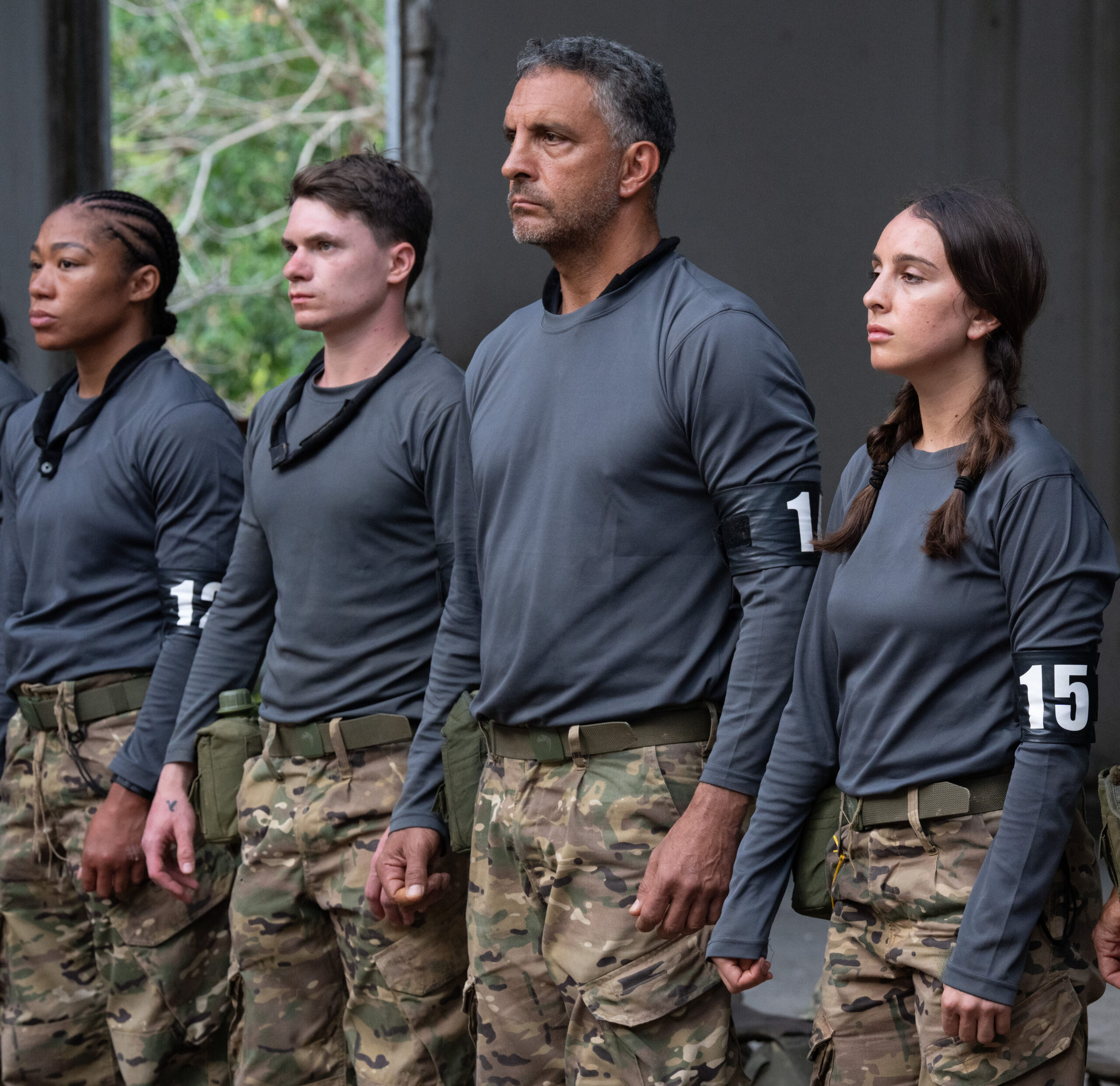
The early weeks of Fox’s ‘Special Forces: World’s Toughest Test’ have acutely illuminated the multifaceted operational and strategic complexities inherent in celebrity endurance reality programming. A significant attrition rate among its diverse public figure cast transcends simple narrative points, instead revealing a critical interplay between participant expectations, stringent production demands, and the intrinsic credibility of the ‘toughest test’ premise.
This season’s unfolding dynamics offer a potent case study into the distinct logistical, reputational, and narrative pressures confronting such high-profile reality franchises. Each withdrawal, driven by unique participant profiles and motivations, directly compromises narrative cohesion and risks eroding the perceived authenticity underpinning the show’s extreme fortitude claims.
Participant Welfare and Operational Risk Management
Medical withdrawals constitute an enduring operational challenge for productions that deliberately push physical and psychological boundaries. The early departures of Brandi Glanville and Ruby Rose due to medical issues vividly underscore both the inherent physical risks assumed by participants and the paramount production responsibility for their immediate welfare. This necessitates not only robust on-site medical infrastructure and rapid extraction capabilities but also an intricate balance between preserving the show’s demanding integrity and safeguarding participant health.
Such unforeseen events trigger significant logistical repercussions, impacting everything from contractual insurance clauses to the forced re-evaluation of pre-planned narrative arcs, ultimately influencing episode sequencing and broader promotional strategies. The production’s adeptness in managing these contingencies directly affects its ethical standing and logistical efficiency.
Fidelity to Premise: Compliance and Challenge Authenticity
The reported withdrawal of LaSean ‘Shady’ McCoy, stemming from a refusal to engage with fundamental environmental demands, introduces a distinct challenge to the show’s operational integrity and core premise. This non-compliance directly undermines the ‘toughest test’ narrative, raising critical questions about participants’ willingness to fully internalize and endure the simulated special forces regimen.
Such incidents expose potential vulnerabilities in participant vetting. A celebrity’s established public persona or athletic prowess may not adequately predict their adaptability to the often-primitive, non-negotiable conditions integral to the challenge. Strategically, this compels the production to reinforce the authenticity of the experience, ensuring that all participants, irrespective of their celebrity status, uphold the foundational rules that define the show’s credibility and distinctiveness.
Casting Dynamics and Reputational Risk Management
The reported departure of George Santos, attributed to a perceived mismatch between his expectations of a ‘media spectacle’ and the program’s ‘actual work’ demands, vividly illustrates the complex strategic calculus underpinning celebrity casting. While controversial public figures undeniably attract significant media attention and initial viewership, their inclusion introduces substantial reputational risk for both the production and the network.
This specific withdrawal highlights a critical misalignment: the participant’s potential perception of the show as a platform for public image management versus its genuine requirement for physical and mental endurance. For producers, such incidents can inadvertently amplify public cynicism about celebrity motivations in reality television, diverting focus from authentic challenge to performative engagement. This necessitates a rigorous re-evaluation of casting strategies, meticulously balancing the immediate audience draw of notoriety with the imperative of maintaining the franchise’s long-term credibility and brand integrity, especially when integrating personalities with complex or contentious public profiles.
Narrative Architectures: Emotional Depth and Audience Resonance
Beyond the rigorous physical challenges and the drama of withdrawals, the program meticulously crafts human interest narratives, vital for sustained audience engagement and emotional investment. Moments of shared vulnerability—whether through candid conversations, reflections during basic activities like meals, or the revelation of personal struggles—serve to humanize participants, offering respite from the relentless demands and fostering viewer connection.
The portrayal of a participant like ‘Hannah Bananas’—characterized as ‘hard on the outside; soft on the inside’—exemplifies the show’s strategic development of nuanced character arcs. This technique enables viewers to identify with the emotional complexities beneath the tough exterior, cultivating empathy and deepening investment in individual journeys. Similarly, Alexia Umansky’s candid disclosures about family dynamics, including her shared experience with her father, Mauricio, strategically elevate personal narratives beyond mere celebrity exposure. Such revelations articulate profound motivations for undertaking the challenge, directly linking personal growth and resilience to the show’s overarching thematic framework, thereby enhancing its emotional resonance.
Validating the Core Premise: Physical Confrontation and Dramatic Integrity
The deliberate progression towards direct physical confrontation, signaled by the symbolic issuance of mouth guards and relocation to a ‘fight location,’ unequivocally reaffirms the program’s unwavering commitment to its core premise of extreme testing. Hand-to-hand combat segments are engineered not merely for drama but to push participants beyond perceived physical and psychological thresholds, serving as tangible demonstrations of raw fortitude and competitive spirit.
The anticipated confrontation between Oliver Hudson and David Charvet epitomizes these pivotal narrative moments. Such direct challenges are instrumental in validating the ‘toughest test’ claim, offering concrete proof of participant commitment and the rigorous demands of the program. These segments are meticulously choreographed and managed to prioritize participant safety while simultaneously maximizing dramatic impact, thus balancing authentic combat simulation with the inherent constraints of television production. The outcomes of these physical trials are critical; they reshape group dynamics, influence power structures, and significantly advance the evolving narrative of who genuinely possesses the resilience required to endure the ‘Special Forces’ experience.
Industry Implications and the Evolution of Endurance Reality
The unfolding narrative of ‘Special Forces: World’s Toughest Test’ serves as a microcosm for broader industry trends, illustrating the intricate intersection between the pursuit of authentic endurance challenges and the commercial imperatives driving celebrity casting. The show’s enduring credibility is inextricably linked to its adept management of both the inherent physical demands and the complex personalities it recruits.
This program’s strategic placement on Fox underscores a persistent market demand for content that effectively blends celebrity culture with narratives of extreme physical and psychological resilience. The success of such formats hinges on a precise equilibrium: delivering genuine hardship and demonstrable transformation while expertly navigating the public relations and operational complexities intrinsic to high-profile participant engagement.
Looking forward, lessons from early withdrawals and the effective cultivation of compelling personal narratives will undoubtedly shape the strategic evolution of participant selection, production integrity, and narrative development for this and similar endurance-based reality franchises. The sustained appeal of ‘Special Forces’ lies in its capacity to offer viewers an unvarnished glimpse into the human experience of pushing boundaries. This enduring fascination ensures that sophisticated strategic considerations around casting, production ethics, and narrative profundity will remain central to the genre’s commercial viability and cultural resonance.

Photo by BrianPenny on Pixabay.