Rodney Hinton Jr. Trial: Insanity Defense Centers on Emotional Distress
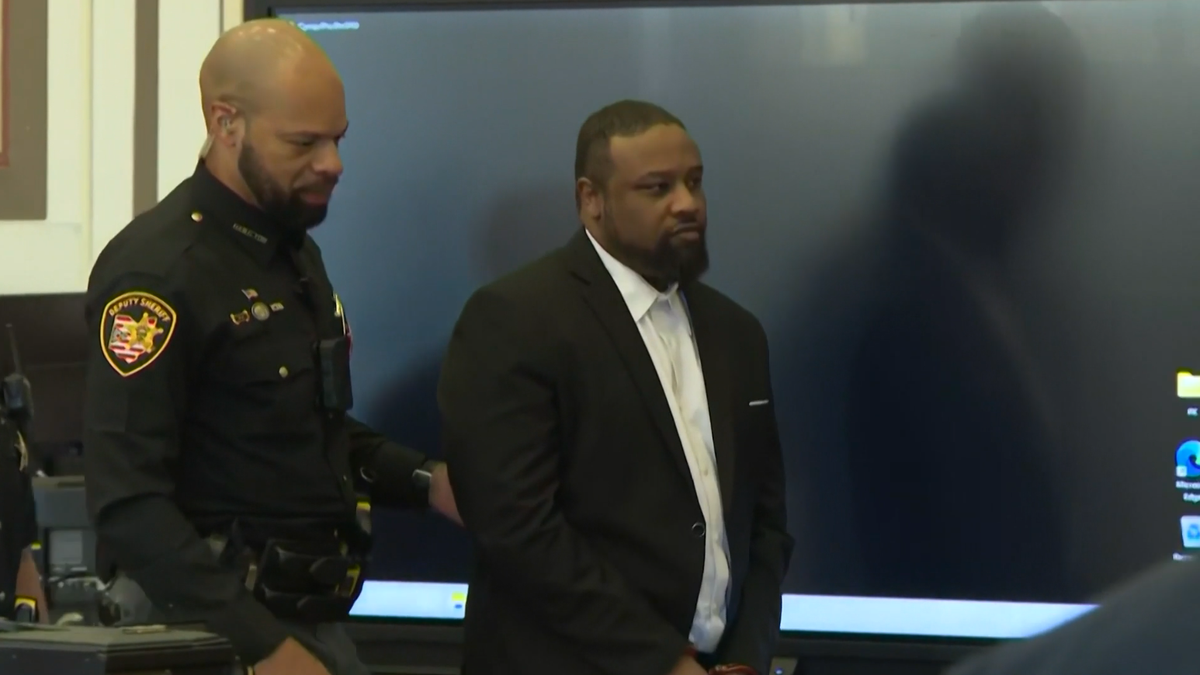
The murder trial of Rodney Hinton Jr. is examining the critical question of his mental state at the time he fatally encountered Hamilton County Deputy Larry Henderson Jr. with his vehicle. The defense’s strategy rests on a plea of not guilty by reason of insanity, requiring proof that a severe mental illness prevented Hinton from understanding the wrongfulness of his actions during the May 2, 2025 incident.
Prosecutors contend Hinton intentionally struck Deputy Henderson, who was directing traffic during University of Cincinnati graduation weekend. Their case focuses on establishing criminal intent (mens rea) by presenting evidence of deliberate action. This directly challenges the defense’s assertion that Hinton was experiencing extreme emotional distress, compounded by the recent fatal shooting of his son by a Cincinnati police officer.
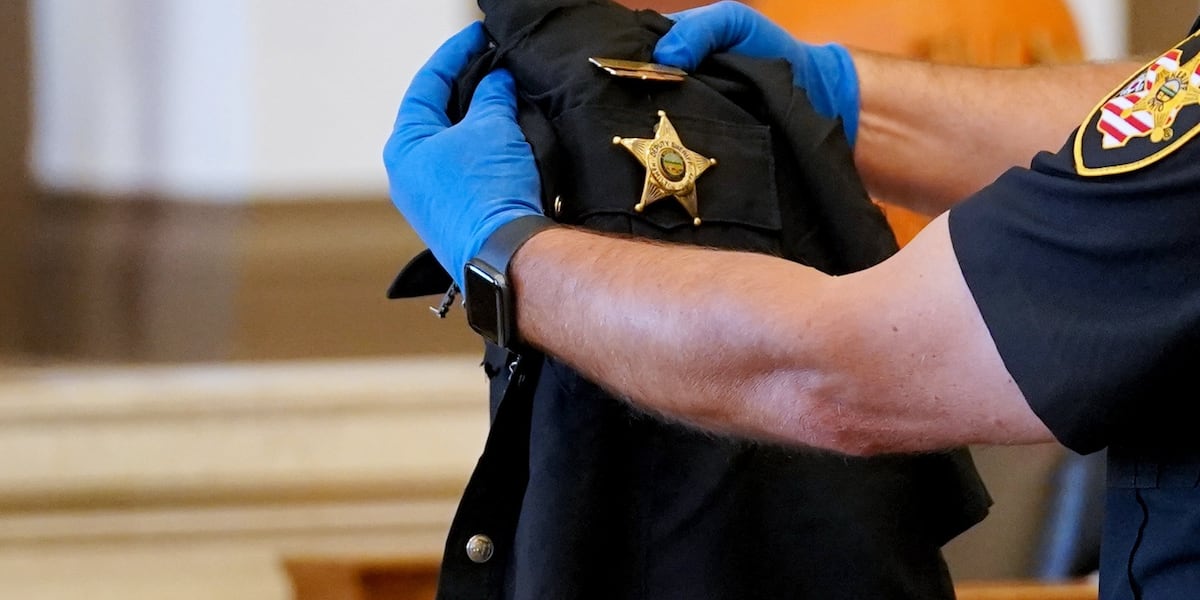
The defense, led by Clyde Bennett, argues Hinton’s pre-existing mental illness was exacerbated by this trauma. They aim to demonstrate that a severe mental disease or defect impaired his capacity to appreciate the nature, quality, or wrongfulness of his conduct. Testimony from first responders, law enforcement, and body camera footage are being used to reconstruct the event.
Former Cincinnati police officer Robert Nelson’s testimony offered a civilian perspective, describing hearing a noise and seeing a vehicle ascend before a collision. This, along with body camera footage, is crucial for establishing the sequence of events and Hinton’s alleged involvement.
The prosecution’s core argument, articulated as “emotional distress does not excuse murder,” aims to differentiate between temporary emotional disturbance and a legally recognized mental disease or defect. They seek to frame Hinton’s actions as a consequence of grief or anger, rather than a symptom of a debilitating illness that negated his capacity for rational thought and intent.
For the defense to succeed, they must present compelling evidence, likely including psychiatric evaluations and expert testimony, of Hinton’s mental state. This evidence must demonstrate a mental disorder that meets the stringent legal threshold for an insanity defense, proving it directly impaired his cognitive abilities at the time of the offense.
The estimated three-week trial duration highlights the complexity of legal and evidentiary issues. The jury must weigh the prosecution’s evidence of intentionality against the defense’s portrayal of a man incapacitated by severe mental illness, a determination with significant implications for how mental health defenses are applied in criminal proceedings.
The prosecution aims to establish culpability by emphasizing the intentionality of Hinton’s actions, positioning the defense’s mental health arguments as an attempt to circumvent accountability. Conversely, the defense seeks to reframe the narrative, arguing Hinton’s compromised mental state nullified his capacity for intent, necessitating a case built on substantial psychiatric evidence.
Body camera footage is pivotal, serving as visual evidence for both sides to interpret. The prosecution will use it to support their narrative of intent, while the defense may highlight aspects suggesting distress or confusion.
Nelson’s eyewitness account provides an objective basis for the crash dynamics. The prosecution will use this to underscore the severity, while the defense may seek to leverage details suggesting impaired control.
The stringent legal standard for insanity requires proving a severe mental disease or defect prevented understanding the act’s nature or wrongfulness. The prosecution will likely argue Hinton’s actions demonstrated awareness, undermining this claim.
The prosecution’s stance on emotional distress versus legal responsibility underscores the need for the jury to adhere to legal standards, distinguishing between sympathy and legal culpability.
The defense’s strategy hinges on expert psychiatric testimony to diagnose Hinton’s condition and demonstrate its severity, meeting the legal criteria for insanity.
The context of a large public event like UC graduation weekend adds complexity, with the prosecution highlighting public order disruption and the defense potentially using the chaotic environment to support claims of disorientation.
The trial’s length suggests thorough examination of evidence, including psychological evaluations, and detailed deliberation by the jury on intent versus compromised mental state.
This trial addresses broader societal and legal challenges in adjudicating cases involving mental illness and criminal acts, with its outcome contributing to the discourse on insanity defenses.