The Mechanics of Primary Dominance
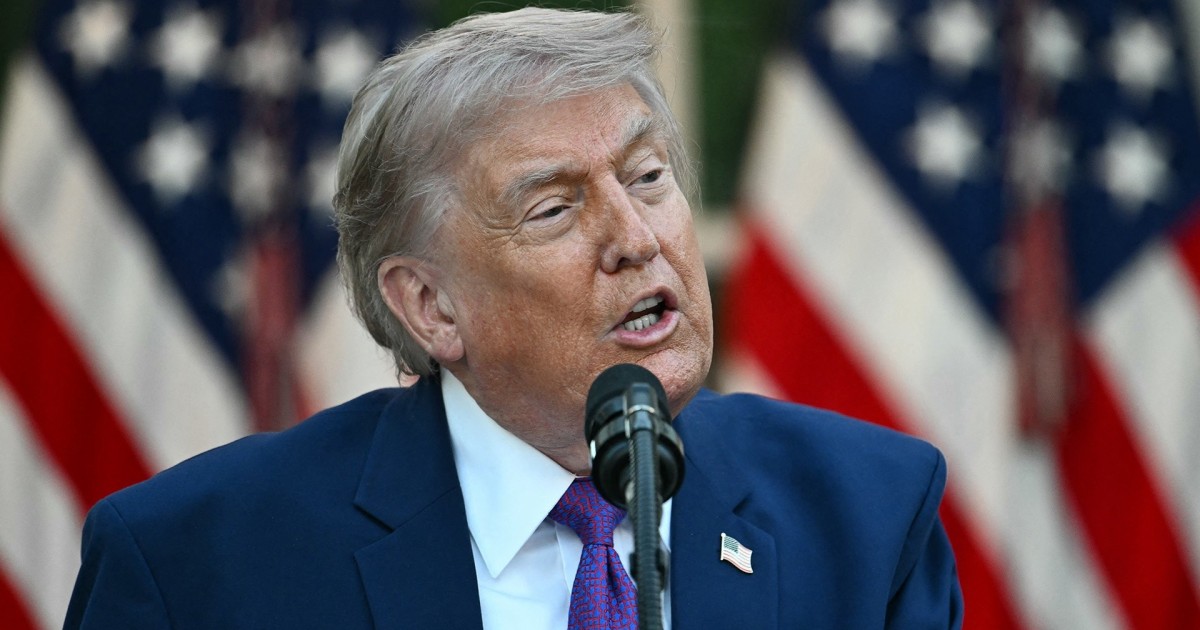
Recent electoral outcomes confirm that alignment with former President Trump is the primary determinant of GOP viability. The defeat of Representative Thomas Massie in Kentucky underscores the efficacy of centralized party influence over traditional incumbency, demonstrating a shift toward a model where internal dissent is neutralized through aggressive financial and organizational pressure.
The Economics of Political Intervention
The Kentucky primary, recognized as the most expensive House contest in history with $33 million in advertising, illustrates the high fiscal stakes of purging ideological friction. AdImpact data reveals that these funds were deployed not merely to support a candidate, but to enforce ideological homogeneity, effectively signaling that institutional experience is now subordinate to party loyalty.
Strategic Risks for the General Election
While this consolidation galvanizes the base, it complicates the broader electoral strategy. The current approach presents a structural paradox: candidates aligned with the executive center must reconcile intense primary-level rhetoric with the more moderate demands of swing-district general elections. This tension creates a significant vulnerability as the party seeks to maintain control without alienating the broader electorate.
Institutional Consequences: A Centralized Caucus
Targeted interventions are fundamentally altering legislative behavior. Members are increasingly sensitive to the threat of primary challenges, leading to a more disciplined—albeit less independent—legislative body. This centralization shifts power toward the executive, potentially weakening the party’s long-term adaptability and legislative autonomy in favor of immediate internal compliance.
The Financialization of Political Contests
The influx of capital into primary races creates a formidable barrier to entry, favoring candidates backed by national fundraising networks. By concentrating tens of millions of dollars into specific contests, the party limits the space for nuanced policy debate and grassroots competition, turning legislative cycles into displays of resource-command rather than diverse civic engagement.
Analytical Synthesis
The current cycle marks a professionalization of political conflict where legislative seats are treated as strategic assets. By prioritizing ideological purity, the GOP is undergoing a profound structural transition. The sustainability of this model—balancing base-driven consolidation against the requirements of a general election—will be the defining test for the party’s institutional health in the upcoming cycle.