
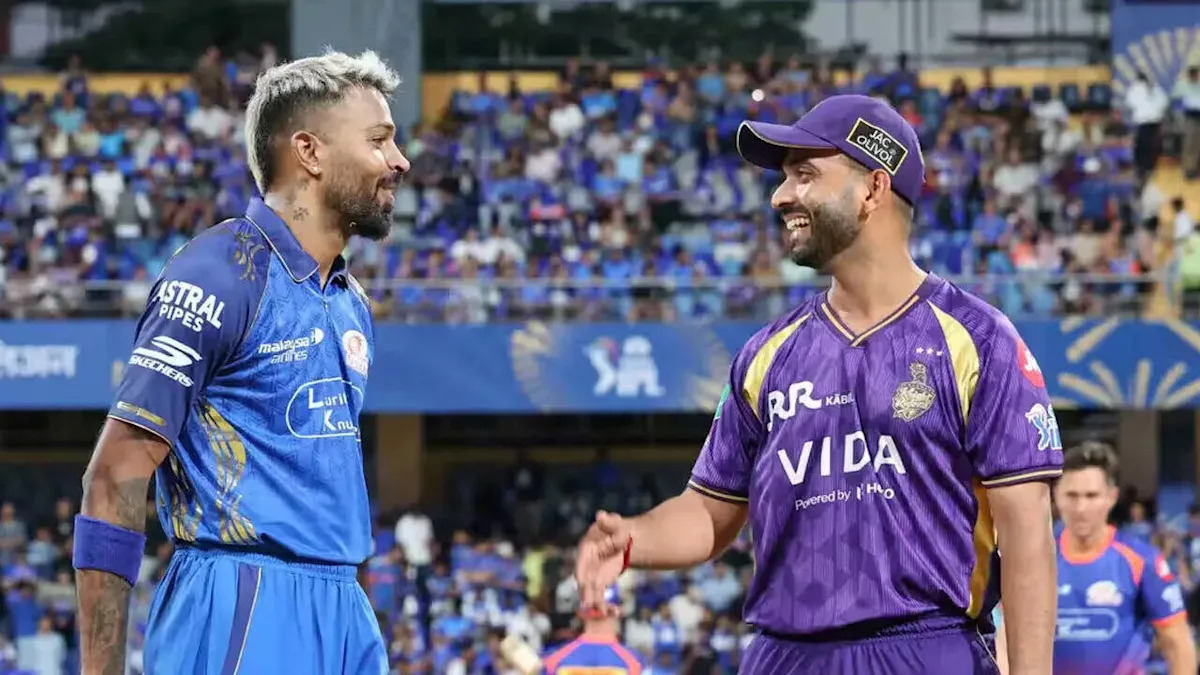
The IPL 2026 fixture between the Kolkata Knight Riders (KKR) and Mumbai Indians (MI) at Eden Gardens represents an asymmetric intersection of survival-based probability and competitive disruption. While Mumbai has been mathematically eliminated, their role as a ‘spoiler’ introduces a volatile variable into KKR’s precarious pursuit of a postseason berth.
The 15-Point Bottleneck and Qualification Math
KKR currently occupies eighth place with 11 points, navigating a congested mid-table corridor alongside Punjab Kings, Rajasthan Royals, CSK, and Delhi Capitals. Structural analysis of the standings suggests a 15-point ceiling; however, due to the five-team bottleneck, even reaching this total does not guarantee a top-four finish. KKR’s late-season resurgence—securing five wins in their last six matches—serves as a corrective measure for a disastrous opening phase, but the lack of a Net Run Rate (NRR) cushion leaves them reliant on external results beyond their operational control.
Tactical Deficits: The Powerplay Crisis
KKR’s campaign has been structurally undermined by persistent inefficiency during the Powerplay phases. A failure to establish early-game leverage with either bat or ball has forced the middle order and death-overs specialists into high-stress recovery roles. Statistically, this inability to maximize the first six overs created the losing ruts that now necessitate a flawless finish. Conversely, MI possesses the individual talent—notably Suryakumar Yadav—to exploit these structural gaps, using the fixture as a live-environment testing ground for their 2027 roster adjustments.
Injury Contingencies and Asset Management
The primary tactical variable for KKR is the physical viability of Varun Chakaravarthy. The 34-year-old spinner’s recent training session, marked by a visible limp, suggests a significant delta between medical clearance and peak performance. Fielded as a measure of strategic desperation, a compromised Chakaravarthy weakens a bowling unit already struggling for consistency. This crisis is mirrored by MI’s workload management of Hardik Pandya, who has prioritized isolated recovery over travel—a divergence in protocol typical of franchises shifting focus toward individual longevity once collective goals are unattainable.
The Psychological Bogey and Institutional Prestige
Historically, MI has functioned as a ‘bogey team’ for KKR. This psychological leverage, combined with Mumbai’s lack of qualification pressure, creates a dangerous environment for the hosts. Unencumbered by the need to protect a position, MI can execute high-risk tactical maneuvers that a pressurized KKR may find difficult to neutralize. For Kolkata, the match is a definitive test of institutional resolve: a victory maintains the miracle narrative, while a defeat confirms the structural flaws that have plagued their 2026 campaign since inception.

Photo by muralinath on Pixabay.