
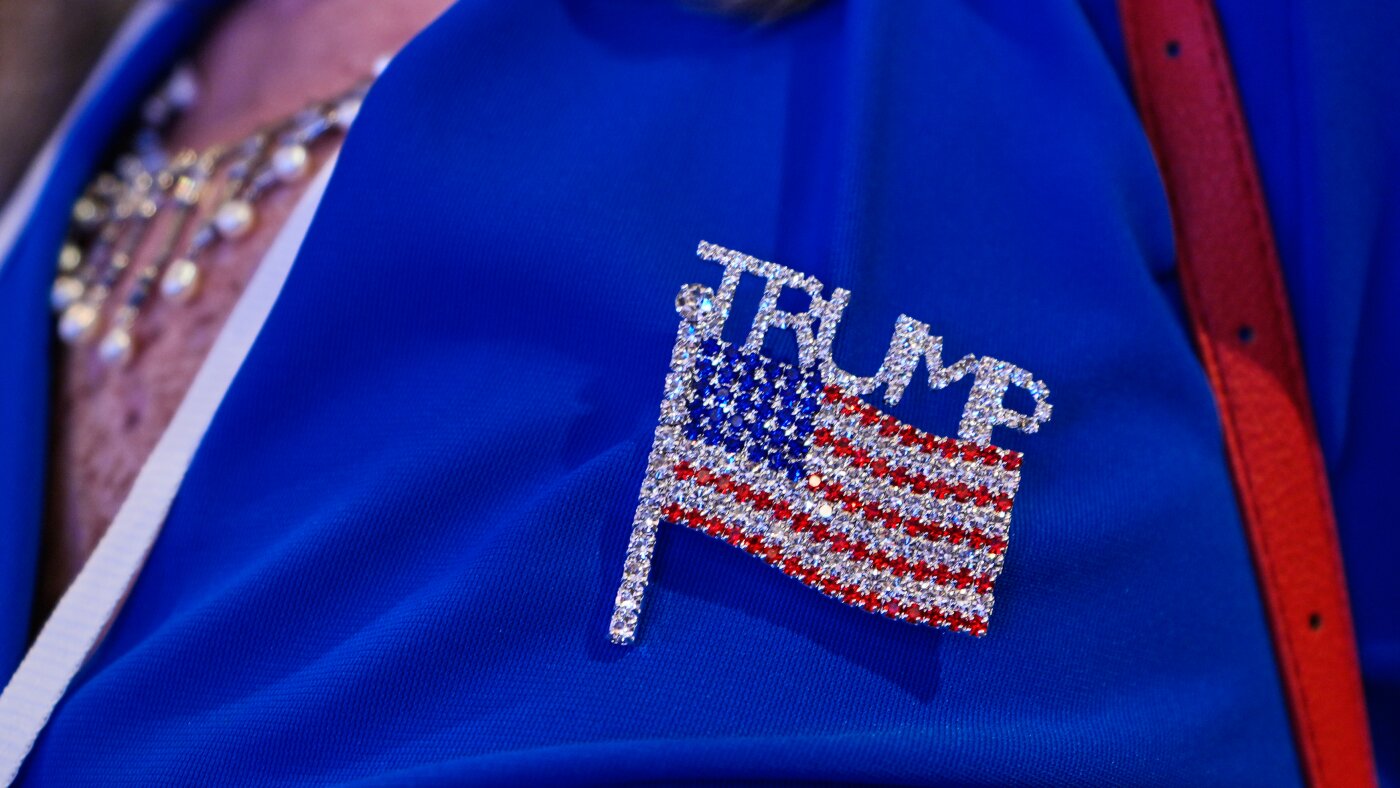
Trump’s Primary Dominance: A Test for GOP General Election Viability
Recent primary elections have underscored former President Donald Trump’s continued command over the Republican Party’s electoral strategy. His victories signal a consolidation of power that, while solidifying his base, presents a complex strategic landscape for the party as it pivots toward the general election, particularly in swing districts.
Kentucky Primary: A Microcosm of Trump’s Influence
The outcome in Kentucky, where a Trump-backed challenger defeated Representative Thomas Massie, exemplifies the former president’s capacity to influence intra-party contests through resource mobilization and targeted campaigns. The substantial advertising expenditure in this race highlights the financial leverage Trump and his allies can exert to shape candidate selection, enforcing party loyalty and potentially punishing dissent.
This dynamic raises critical questions about the trade-offs inherent in such intense primary battles. While it can expedite candidate selection and consolidate support among the party faithful, the messaging and voter coalitions forged may not translate effectively to the broader electorate, potentially exposing candidates to vulnerabilities in general election campaigns.
The ‘Alpha Dog’ Dynamic and Electoral Trade-offs
Trump’s positioning as the “alpha dog” within the GOP is reinforced by these primary results. While this narrative energizes his base, it simultaneously raises questions about the electability of closely aligned candidates in general elections, especially in swing districts requiring broader appeal. The strategic challenge for Republican candidates lies in navigating the duality of appealing to Trump’s core supporters while attracting more centrist or undecided voters.
This tightrope walk is amplified by the perception that Trump is unpopular with a significant portion of the national electorate, potentially creating a drag on candidates heavily associated with him. The ability to balance these competing demands will be a key determinant of success in competitive general election contests.
Capital Deployment and Strategic Targeting in Primaries
The significant financial investment in races like the Kentucky primary reveals a sophisticated approach to electoral mechanics, demonstrating a willingness to deploy substantial capital for specific political objectives. This targeted deployment suggests a strategy focused on reinforcing Trump’s influence and ensuring alignment with his directives among potential Republican nominees.
The effectiveness of this concentrated capital deployment in securing general election victories remains a critical variable. While it can be instrumental in winning nominations, the intense ideological purity tested in primaries may not always align with the pragmatic coalition-building required for broader electoral success.
Candidate Selection: Loyalty Over Independent Appeal?
Trump’s apparent preference for candidates demonstrating unwavering loyalty, sometimes characterized as a “warm body” mandate, underscores a transactional approach to candidate selection. This emphasis can streamline party messaging but risks overlooking individuals with unique strengths or broader appeal that might be crucial for winning competitive races in diverse districts.
The incentive structure created encourages candidates to prioritize signaling allegiance to Trump, potentially at the expense of developing independent policy platforms or nuanced constituent outreach. This can lead to a more homogenous, but potentially less adaptable, Republican field.
Swing Districts: The Ultimate Proving Ground
The true test of Trump’s primary strategy will unfold in swing districts and states, where attracting a diverse range of voters is paramount. While his dominance within the GOP is evident, general elections require a different calculus, balancing base mobilization with the necessity of broader coalition-building.
The performance of candidates who have benefited from Trump’s endorsement, or who have actively courted his support, will be closely scrutinized. Their ability to bridge the gap between the party’s energized base and the more moderate general election electorate will be critical for assessing the translation of Trump’s primary power into electoral success beyond the Republican faithful.
Downstream Implications for Party Cohesion and Strategy
The emphasis on loyalty and the swift removal of dissenters could foster short-term party unity but also risks creating a more rigid and less adaptable organization. This could limit the GOP’s ability to respond to evolving public opinion or attract new demographic groups, impacting long-term electoral competitiveness.
Furthermore, channeling significant resources into internal purges rather than broader party-building initiatives or general election infrastructure represents a strategic trade-off with long-term consequences for the GOP’s capacity to compete across the electoral spectrum.
Media Narrative and Public Perception
The media’s framing of these primary results, particularly concerning Trump’s “power” and “vengeance,” shapes public perception. While effective in galvanizing supporters, such narratives can also reinforce negative perceptions among undecided voters, potentially complicating general election strategies.
The interplay between Trump’s direct influence, allied financial backing, and media portrayal creates a complex information environment crucial for assessing the electoral impact of Trump’s continued dominance.
Incentives for Candidate Behavior
The incentives for Republican candidates are now heavily skewed towards demonstrating allegiance to Trump. This impacts public statements, voting records, and campaign messaging, signaling alignment with the former president’s agenda. The risk of alienating Trump, as exemplified by Massie’s challenge, carries a significant electoral penalty within the party.
This environment fosters conformity, where challenging the dominant figure is perceived as career-ending. The long-term consequence could be reduced policy diversity and a diminished capacity for independent political thought, impacting legislative effectiveness.
Capital Movement and Donor Influence
The substantial sums spent in primaries represent significant capital movement within the political ecosystem, driven by a desire to shape the Republican Party’s future leadership. This capital reflects the influence of key donors and advocacy groups aligned with Trump’s political objectives.
The concentration of such large sums in specific races indicates a strategic allocation of resources aimed at maximizing impact on the party’s composition. This can create a feedback loop where successful candidates in these Trump-centric primaries attract similar funding, entrenching the current power structure.
Performance Leverage and Electoral Strategy
Trump’s endorsement provides “performance leverage” for Republican candidates, often securing primary wins. However, its effectiveness in general elections is not guaranteed and may be a liability in swing districts. Candidates must weigh the immediate benefit of Trump’s backing against the potential long-term cost of close association.
This strategic calculation is central to the GOP’s current electoral dilemma: harnessing base enthusiasm without alienating the broader electorate required for victory in competitive general election contests. Primary outcomes offer insight into this ongoing negotiation.
Stakeholder Exposure and Risk Distribution
Republican candidates in swing districts face the most direct exposure to the potential downsides of Trump’s polarizing influence. Their electoral success depends on navigating this complex terrain, balancing loyalty to the party’s de facto leader with the need to appeal to a diverse voter base.
Conversely, Trump and his core supporters benefit from demonstrated loyalty and the purging of dissent, reinforcing their party control. However, this consolidation carries the risk of alienating moderate Republicans and independent voters, potentially impacting overall electoral performance.
Consequences for Party Identity and Future Direction
The consistent emphasis on Trump’s endorsements and targeting of dissenters suggests a party identity increasingly defined by personal loyalty over a broad ideological platform. This may lead to a more ideologically homogenous but potentially less electorally resilient Republican Party.
Prioritizing primary victories secured through Trump’s favor may hinder the GOP’s ability to adapt to demographic shifts or attract new voters, potentially leading to sustained disadvantage in national contests.
Broader Market and Institutional Implications
The dynamics revealed in these primaries have broader implications for political markets and institutional governance. The concentration of capital and influence around a single figure can create a less predictable, more personality-driven political landscape.
This can affect policy development, legislative priorities, and governmental functioning. Institutions reliant on predictable political processes may navigate a more volatile environment, where decisions are heavily influenced by individual fortunes rather than established policy frameworks.
The Double-Edged Sword in Swing Districts
The core of the Republican challenge lies in the “double-edged sword” of Trump’s appeal. His popularity with the base fuels primary victories and base mobilization. However, his unpopularity with a significant portion of the electorate, particularly in swing districts, creates a substantial hurdle for general election success.
Candidates must perform a delicate balancing act: leveraging Trump’s base appeal without alienating the broader electorate. This necessitates sophisticated messaging and campaign strategies that can appeal to different voter segments simultaneously, a feat increasingly difficult in the current climate.
Future Trajectory and Strategic Realignments
The outcomes suggest a Republican Party deeply entrenched in its current leadership structure, emphasizing loyalty to Donald Trump. Strategic decisions in the coming months will reveal if this approach can adapt to the broader demands of general election campaigning.
Potential strategic realignments exist but would likely require significant shifts in internal dynamics or a re-evaluation of the electoral calculus in key swing states. Until then, the party navigates a complex terrain shaped by Trump’s enduring influence and its inherent challenges for broader electoral success.

Photo by geralt on Pixabay.