Institutional Maturity and Brand Equity Capitalization
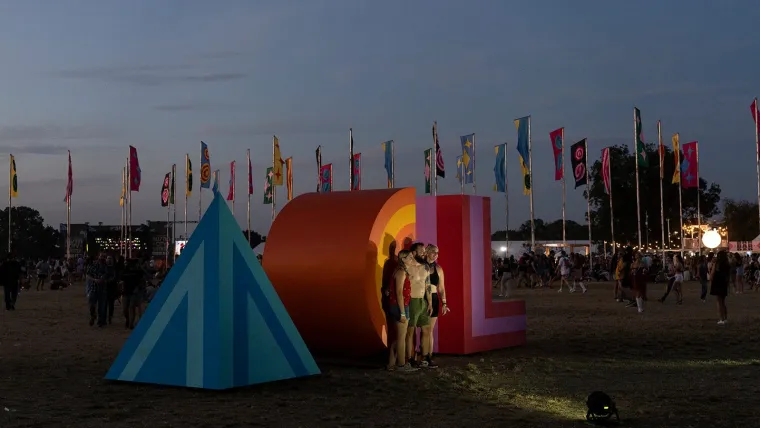
The 2026 Austin City Limits Music Festival (ACL) represents a significant milestone in the live entertainment sector: the 25th anniversary. In an industry characterized by high volatility and production cost inflation, this quarter-century longevity transforms the festival from a seasonal event into a mature institutional asset. For corporate stakeholders and global sponsors, the 25-year mark functions as a mechanism for institutional de-risking, offering a predictable consumer draw and an established operational cadence that justifies long-term capital allocation.
This anniversary serves as a strategic branding lever, facilitating the acquisition of legacy talent that reinforces the festival’s prestige. Historical data from milestone years indicates that organizers often utilize these benchmarks to expand talent acquisition budgets, securing high-impact headliners that maximize brand equity. For the 2026 cycle, this translates into premium hospitality opportunities and high-value activations designed to capitalize on the historical significance of the ‘Silver Jubilee’ of Austin’s flagship event.
Operational Efficiency via CAPEX Amortization
Scheduled for October 2-4 and October 9-11, 2026, the dual-weekend model remains the festival’s primary strategy for maximizing the amortization of fixed infrastructure costs. By distributing the substantial capital expenditure (CAPEX) required for stage construction, security protocols, and site remediation over six days of programming, the organization significantly optimizes its operating margins. This structure facilitates a higher aggregate ticket volume without exceeding the daily environmental capacity thresholds of Zilker Park.
From a talent perspective, the two-weekend format provides a compelling value proposition to artists by reducing logistical overhead. Performers can execute two high-visibility sets within a single geographic footprint, fitting seamlessly into the autumn touring window. For the Austin municipal economy, this model doubles the revenue window for the hospitality and service sectors, creating a sustained economic multiplier effect that outperforms the traditional single-weekend festival format.
Liquidity Optimization and Market Signaling
The projected announcement and ticket release on Tuesday, May 5, 2026, is a calculated maneuver within the fiscal cycle of live music. By initiating the primary sales window in early May, the festival captures consumer discretionary spending prior to the peak summer travel season. This early liquidity is essential for managing the cash flow requirements of a large-scale production, providing the capital necessary to secure vendor contracts and launch comprehensive marketing campaigns months in advance.
The synchronized release of the lineup and ticketing options creates an immediate feedback loop, forcing rapid consumer decision-making and minimizing market speculation. In the secondary market, platforms like StubHub utilize this May 5 date as the inception point for a multi-month price discovery phase. Ticket values during this period serve as a real-time barometer of the perceived market strength of the headlining acts and the overall brand health of the festival.
Urban Integration and Regulatory Boundaries
ACL’s continued residency at Zilker Park underscores a strategy of urban integration over remote destination modeling. By leveraging Austin’s existing municipal infrastructure and downtown proximity, the festival eliminates the need for the specialized transportation and lodging solutions required by rural events. This integration drives significant foot traffic to permanent local businesses, ensuring that the economic impact is felt within the city’s core rather than being sequestered within a remote site.
However, the reliance on a public venue introduces complex regulatory and environmental constraints. The 2026 event must navigate the friction between maximizing commercial throughput and adhering to stringent park preservation standards. This balance is critical for the festival’s long-term viability; maintaining the ecological integrity of the site is not merely a corporate social responsibility initiative but a prerequisite for the continued renewal of municipal permits.
Portfolio Diversification in Talent Programming
The 2026 programming strategy reflects a diversified portfolio approach, blending emerging ‘hottest acts’ with established legacy headliners—a model previously successful with artists ranging from Sabrina Carpenter to the Foo Fighters. This multi-generational appeal insulates the festival against the demographic shifts and genre-specific volatility that often plague niche events. By positioning itself as a genre-agnostic tastemaker, ACL maintains its status as a critical performance benchmark within the global music industry.
This diversity also functions as a talent incubator. A performance slot at ACL significantly impacts an artist’s streaming metrics and future booking leverage, reinforcing the festival’s role in the music industry’s broader talent pipeline. For the attendee, this variety ensures a ‘one-of-a-kind experience’ where the value proposition extends beyond a single artist to include the social prestige and atmospheric quality of the event itself.
Macroeconomic Legacy in the Hospitality Sector
Beyond the gates of Zilker Park, ACL 2026 serves as a primary catalyst for Austin’s tourism economy. The influx of international and domestic attendees creates a surge in demand for the hospitality sector, often allowing local hotels and short-term rentals to achieve substantial portions of their annual revenue targets within the October window. This concentrated activity has fostered a permanent ecosystem of specialized event support services in Central Texas.
Ultimately, the success of the 25th anniversary will be measured by its ability to maintain cultural relevance in an increasingly fragmented media landscape. By refining its operational logistics and leveraging its historical brand equity, ACL is positioned to secure its role as a permanent fixture on the global cultural calendar for the next quarter-century. The 2026 edition is not just a celebration of the past, but a strategic blueprint for the future of the experience economy.