Genetic Capital and Macro-Economic Significance
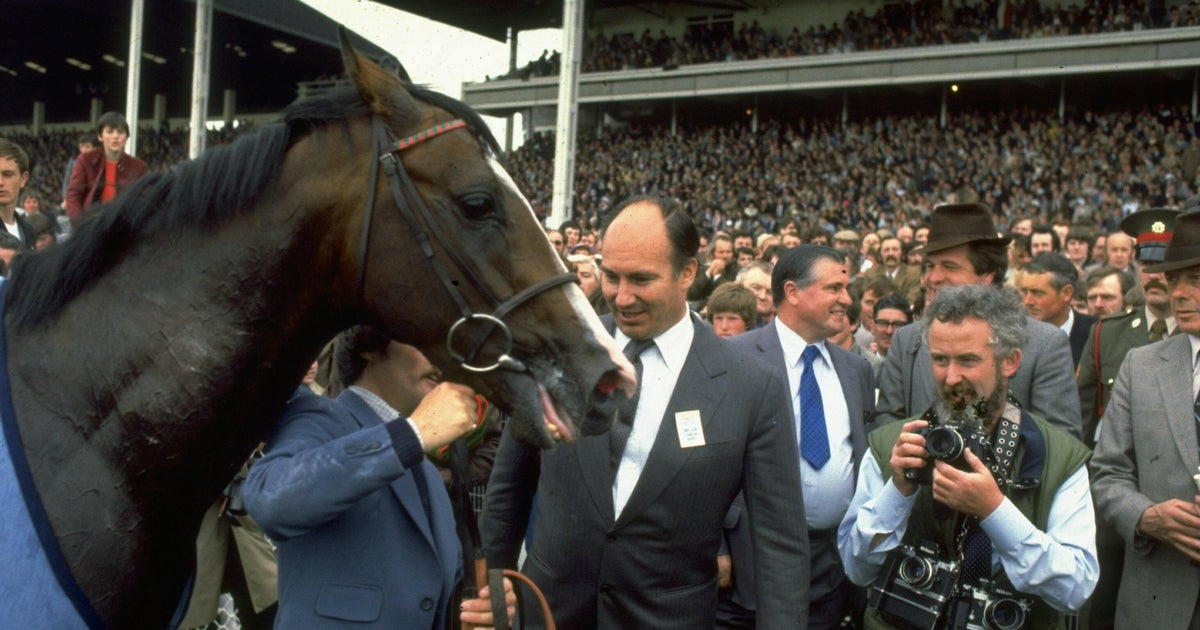
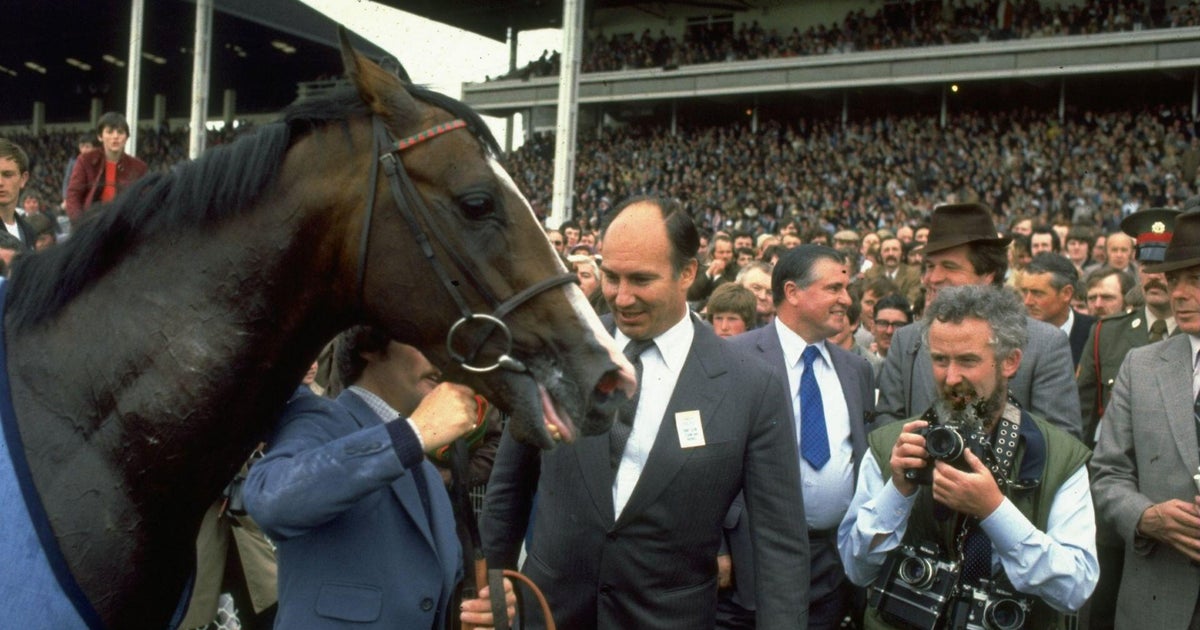
The 1983 abduction of Shergar represents a seminal case study in the vulnerability of high-value biological assets. As the winner of the 1981 Epsom and Irish Derbies, Shergar functioned as a concentrated repository of genetic capital. His valuation transcended traditional sporting metrics, serving as a cornerstone for the Aga Khan’s international breeding syndicate. Within the early 1980s bloodstock market, such an asset was a critical component of the industry’s total capitalization, making its removal a disruptive economic event.
Operational Security Failures in the Curragh
The Curragh in County Kildare, the epicenter of Irish thoroughbred culture, provided the tactical backdrop for the event. The kidnapping exposed a critical obsolescence in the industry’s security protocols, which relied on traditional trust-based models rather than the hardened infrastructure required for Tier-1 assets. The perpetrators leveraged the geographical openness of the region and the existing instability of ‘The Troubles’ to execute a paramilitary-style extraction that bypassed the rudimentary surveillance of the era.
Game Theory and the Ransom Dilemma
Negotiations involving sports commentator Derek Thompson revealed a chaotic command structure among the kidnappers, believed to be the Irish Republican Army (IRA). Ransom demands fluctuated wildly between £40,000 and £2 million, suggesting internal volatility or a strategic probe of the syndicate’s liquidity. The Aga Khan’s refusal to pay was a calculated application of deterrence theory; satisfying the demand would have incentivized future targeting of his global portfolio, creating a permanent security liability that outweighed the immediate loss of the stallion.
Paramilitary Tactics and Economic Sabotage
Situating the event within the Northern Irish conflict reveals the kidnapping as a form of asymmetric leverage. By targeting a symbol of national prestige and international investment, the IRA aimed to destabilize the perceived security of the Irish agricultural economy. The subsequent failure to recover the horse suggests the asset likely became a liability shortly after abduction—possibly due to injury or unmanageability—leading to a total loss of the revenue stream derived from future stud fees.
Institutional Legacy and Risk Transformation
The Shergar incident catalyzed a fundamental shift in the bloodstock industry’s approach to risk management. It forced a transition toward professionalized security audits and more rigorous insurance underwriting. Today, the case remains a permanent fixture in the lore of the Curragh, serving as a cautionary tale on the fragility of high-value assets in regions of geopolitical volatility. The lack of forensic closure after four decades underscores the operational sophistication of the actors involved and the enduring nature of this cold case.