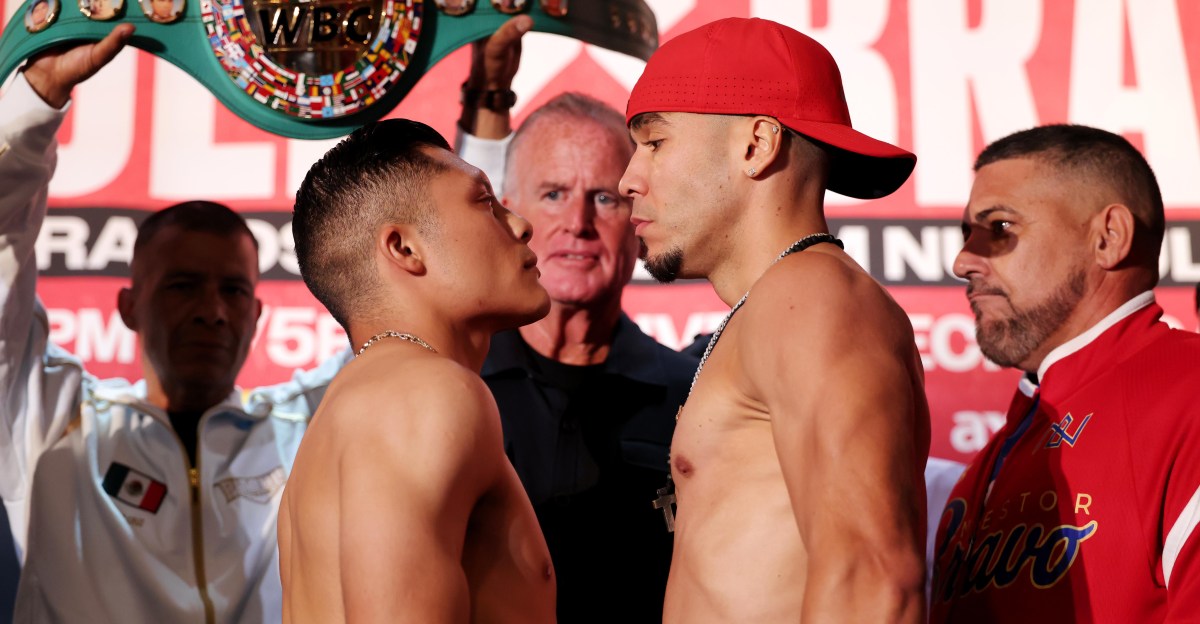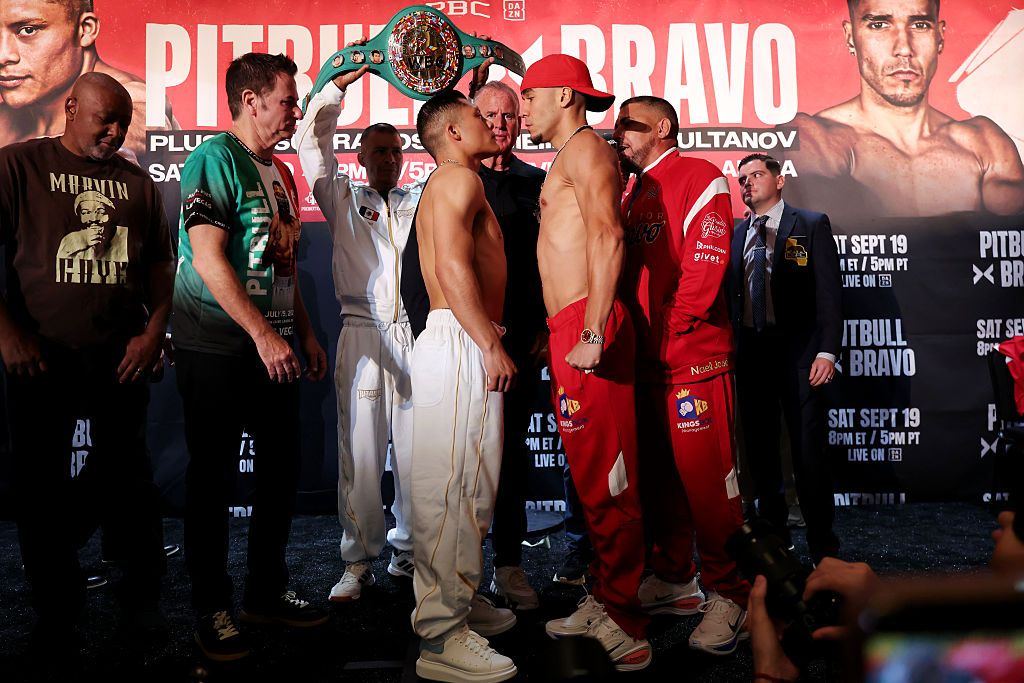
The matchup between Isaac “Pitbull” Cruz and Nestor Bravo at San Diego’s Pechanga Arena transcends the typical title defense, functioning as a pivot point for divisional consolidation within the 140-pound landscape. By defending the interim WBC Super Lightweight title, Cruz is navigating a sophisticated institutional framework designed to maintain momentum while the primary championship remains in flux. This bout serves as the primary mechanism for determining the mandatory challenger pipeline, particularly as the WBC prepares to reconcile the winner with the victor of the October 24 clash between Dalton Smith and Alberto Puello.
Institutional Mechanics and Mandatory Leverage
The interim WBC title operates as more than a placeholder; it is a contractual instrument of leverage. For Cruz (28-3-2), this defense is a prerequisite for a high-valuation unification or a mandatory shot at the full crown. The institutional logic suggests that the winner of Cruz-Bravo will exert significant administrative pressure on the Smith-Puello victor, effectively streamlining the division’s hierarchy. For Nestor Bravo (24-1-0), the bout represents a rare opportunity for institutional bypass, allowing a challenger to vault from regional rankings to a position of mandatory authority.
The DAZN Subscription Pivot: Disruption of the PPV Model
The distribution of Cruz-Bravo via DAZN’s standard subscription tier, eschewing the traditional Pay-Per-View (PPV) surcharge, signals a tactical shift toward platform retention over transactional revenue. By integrating a marquee “Pitbull” Cruz event into the baseline service, organizers are prioritizing audience scaling and subscriber lifetime value. This model reduces friction for casual viewers while utilizing elite talent to stabilize the platform’s churn rate. The tiered pricing strategy (starting at $24.99) reflects a broader industry trend toward segmenting sports consumers based on access frequency rather than single-event purchases.
Tactical Asymmetry: High-Frequency Volume vs. Counter-Pedigree
Analytically, the contest pits Cruz’s high-frequency offensive output against Bravo’s need for defensive precision. Cruz’s reputation as a high-volume striker creates a narrow margin of error for any opponent. Bravo must exploit the defensive lapses inherent in Cruz’s aggressive forward momentum. The strategic stakes are compounded by the presence of divisional peers like Teófimo López and Ryan Garcia, whose performances serve as the commercial and competitive benchmark. A decisive victory reinforces Cruz’s market capital, whereas a lackluster performance—even in victory—could diminish his leverage in 2025 unification negotiations with champions like Gary Antuanne Russell.
Geographic Synergy and Cultural Capital
The selection of San Diego as the host city leverages the regional demographic density of the Mexican-American boxing community. Cruz, as a primary commercial asset for Premier Boxing Champions (PBC), functions as a cultural bridge, driving both live gate revenue and digital engagement. The inclusion of high-profile cultural figures like Kawhi Leonard and Oscar De La Hoya acts as a marketing multiplier, elevating the event from a niche sporting contest to a broader media moment. This geographic focus also rejuvenates the historical Puerto Rico-Mexico rivalry, a narrative engine that remains one of boxing’s most reliable drivers of fan engagement.
Operational Logistics and Future Trajectory
Scheduled for peak viewership (8 p.m. ET start, 11 p.m. ET ringwalks), the event is optimized for cross-continental accessibility. The operational success hinges on DAZN’s infrastructure to manage a surge in concurrent streams without the bottleneck of a PPV gateway. Looking forward, the outcome dictates the WBC’s administrative roadmap for 2025. A Cruz victory preserves the planned trajectory toward a divisional unification, while a Bravo upset would necessitate a total recalibration of the PBC’s promotional priorities at super lightweight.