Strategic Retail Exclusivity in High-Demand Hydration Merchandising
Major retailers Target and Walmart are intensifying competition in the lucrative lifestyle drinkware market through strategic intellectual property collaborations. Both chains simultaneously launched exclusive Pokémon-branded hydration lines, leveraging the franchise’s enduring appeal and significant anniversary marketing. Target partnered with Owala for a special FreeSip collection, while Walmart introduced its own line of stainless steel tumblers. These moves underscore how mass retailers utilize established cultural assets to differentiate inventory and capture distinct collector segments.
By securing unique product formats, each retailer insulates its channel from direct price competition while capitalizing on shared franchise brand equity. The synchronized focus on premium portable hydration gear signals its evolution from basic utility to a high-velocity consumer merchandise category, driven by consumer demand for branded, functional accessories.
Owala FreeSip Leakage and Supply Chain Visibility
Target’s Owala FreeSip collaboration faced early visibility challenges due to decentralized digital disclosures. Product documentation and images surfaced on community forums like Reddit before spreading across social media, compromising scheduled promotional timelines. Leaked photographs of bagged inventory, marked with internal operational instructions, confirmed that products had reached store backrooms before official launch. This unauthorized preview generated immediate secondary market interest and demand prior to Target formally announcing commercial terms or inventory depth.
The rapid dissemination of product information highlights a growing vulnerability in retail supply chains. Early community engagement, driven by leaked assets, often precedes official marketing efforts, creating a dynamic where consumer anticipation and secondary market activity can outpace planned retail execution.
Target’s Digital Staging and Anniversary Alignment
Despite early leaks, Target initiated controlled digital teasing through platform banner placements. The official product catalog integration listed Wednesday, September 16, as the confirmed launch date, strategically aligning with the 30th anniversary of the original Pokémon video game. This temporal synchronization anchors the product drop to a significant cultural milestone, concentrating consumer purchasing momentum into a compressed commercial window.
While historical patterns suggest digital drops often occur around 3 a.m. Eastern Time, Target has not formally ratified specific timing protocols for this launch. This ambiguity increases platform surveillance by prospective buyers, intensifying online traffic density around anticipated fulfillment updates and contributing to the rapid sell-out.
Owala Collection Details and Marketing Strategy
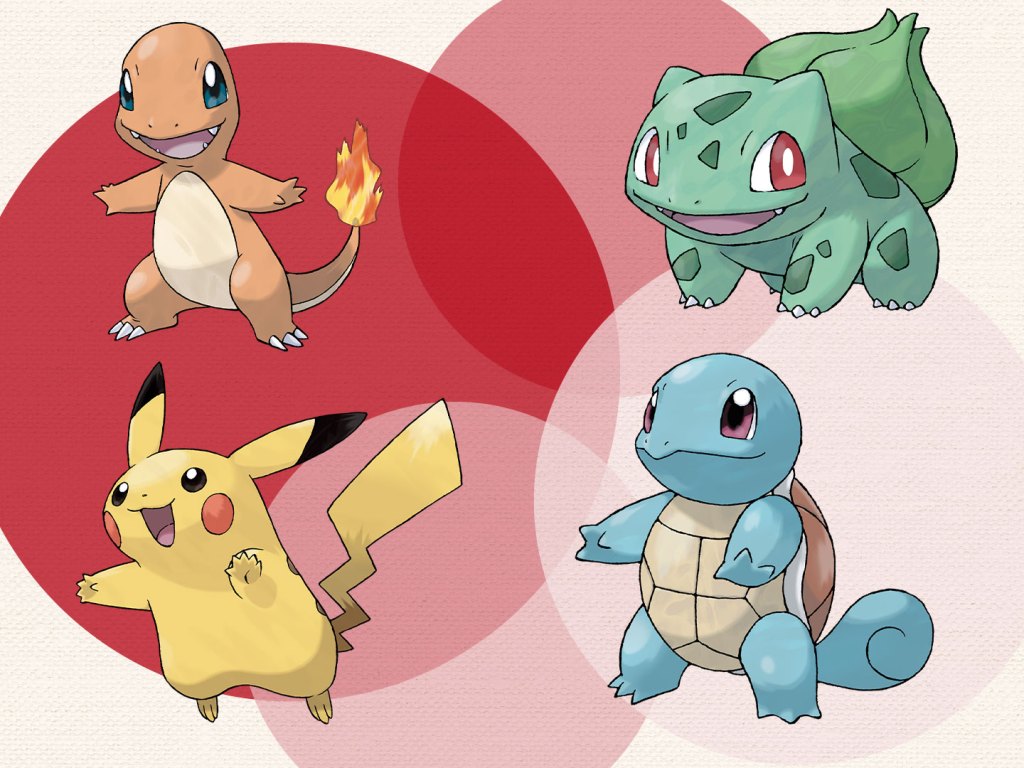
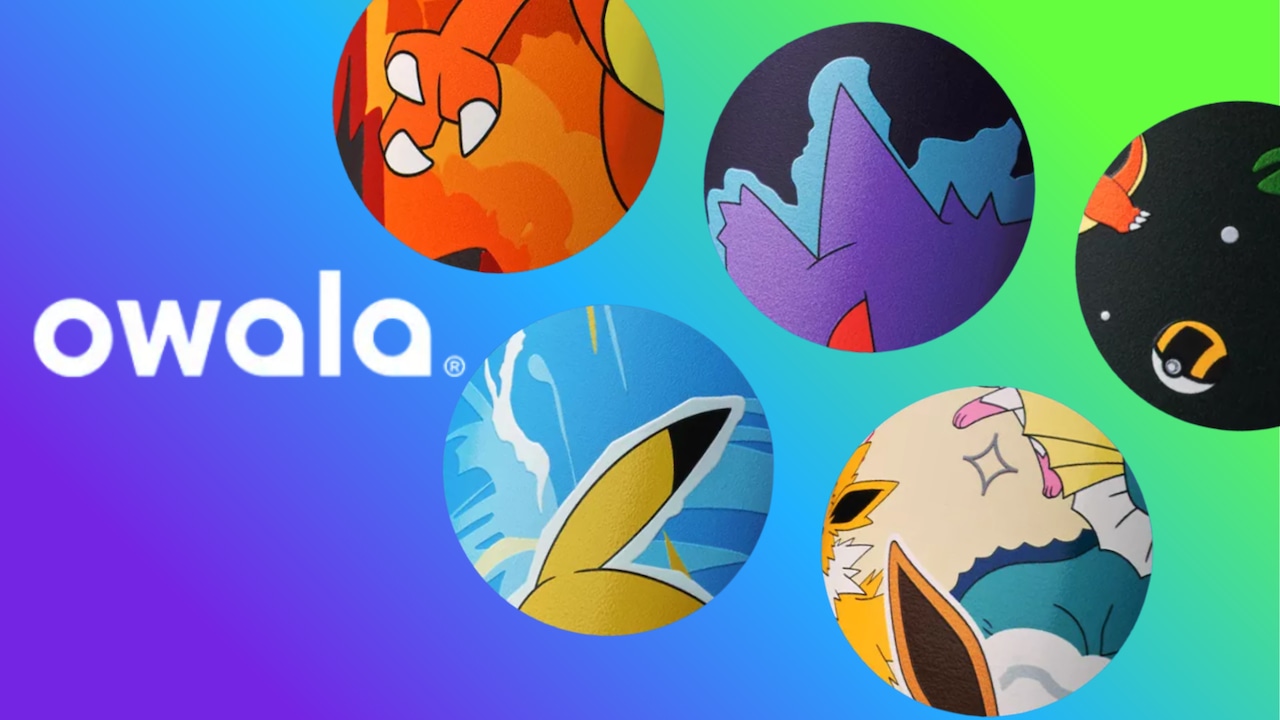
The Owala FreeSip collaboration features distinct designs for popular Pokémon characters: Charizard, Pikachu, Gengar, and Eevee, alongside a composite Starter Trio model featuring Bulbasaur, Charmander, and Squirtle. Social media previews from Owala further expanded this narrative, showcasing short-form videos of the bottles and hinting at other related characters like Vaporeon and Venusaur.
By prioritizing iconic Generation I figures, the merchandising strategy taps into multi-generational nostalgia to accelerate unit velocity across diverse demographic groups. The offering of both composite and solo character SKUs allows for testing consumer preference between ensemble collector items and character-specific loyalty, balancing broad market appeal with niche fan affinities to maximize sell-through.
Walmart’s Stainless Steel Tumbler Launch and Demand Surge
Concurrently, Walmart launched its own exclusive assortment of five 30-fluid-ounce stainless steel tumblers, featuring Pikachu, Charmander, Bulbasaur, Eevee, and Gengar. Verified through third-party documentation, this collection contrasts with Target’s by omitting Squirtle from the initial roster while including Gengar. The demand dynamics for these tumblers quickly led to significant channel strain, with digital fulfillment options exhausting shortly after product indexing, moving inventory status to ‘out of stock’ for home shipping.
The abrupt digital stockout at Walmart, despite remaining regional inventory for in-store pickup, underscores a substantial gap between allocated production volume and immediate collector absorption. This rapid sell-out signifies intense consumer demand for licensed merchandise, overwhelming initial supply allocations.
Manufacturing Discrepancies in Walmart’s Assortment
Consumer scrutiny has highlighted operational commentary regarding manufacturing consistency in Walmart’s assortment. Straw color variations, with Pikachu featuring an accurate yellow accent and Eevee a pink one, while other models lack colored straws, suggest cost-saving measures. Similarly, handle integration shows discrepancies; Gengar and Charmander have character-aligned handles, but the Bulbasaur design incorporates an incongruous pink fixture. These variations likely indicate component consolidation during mass assembly to optimize unit margins.
Hydration Hardware Competition and Brand Evolution
The intense commercial friction surrounding these launches reflects broader disruption in the premium portable hydration market. Established tumbler formats, like those from Stanley, are increasingly challenged by modern ergonomic designs such as the Owala FreeSip. Target’s alignment with Owala signals a strategic pivot towards alternative functional designs that integrate enclosed sip interfaces with dual-use drinking options.
Drinkware manufacturers are increasingly functioning as lifestyle apparatus platforms requiring continuous licensing injection to sustain consumer velocity. As baseline hardware needs become saturated, brands rely on limited-run intellectual property collaborations to drive repeat revenue cycles. The overlapping Pokémon lines across competing retailers reinforce that product form factors, combined with strong licensing, are key determinants of competitive advantage in this market.
Structural Value of IP Collaborations in Retail
Aligning consumer hardware launches with significant anniversary milestones serves as a risk-mitigation strategy for corporate retail. Anchoring product drops to the 30th anniversary of Pokémon’s video game debut provides instant global context, minimizing preliminary advertising costs. Mass distributors leverage the organic brand equity of these long-standing properties to ensure immediate absorption of newly produced merchandise.
The immediate sell-out patterns at Walmart and the leak-driven digital pressures at Target expose critical logistical choke points in high-demand licensing. When physical distribution logistics fail to match the pace of digitally coordinated collector communities, retailers face inventory distortions and operational strain. The simultaneous execution of parallel retail lines by major competitors demonstrates how legacy intellectual properties will continue to be leveraged across competing networks to monetize physical retail footprints and capitalize on enduring consumer enthusiasm.