Architectural Programming: The Two-Night Staging Strategy
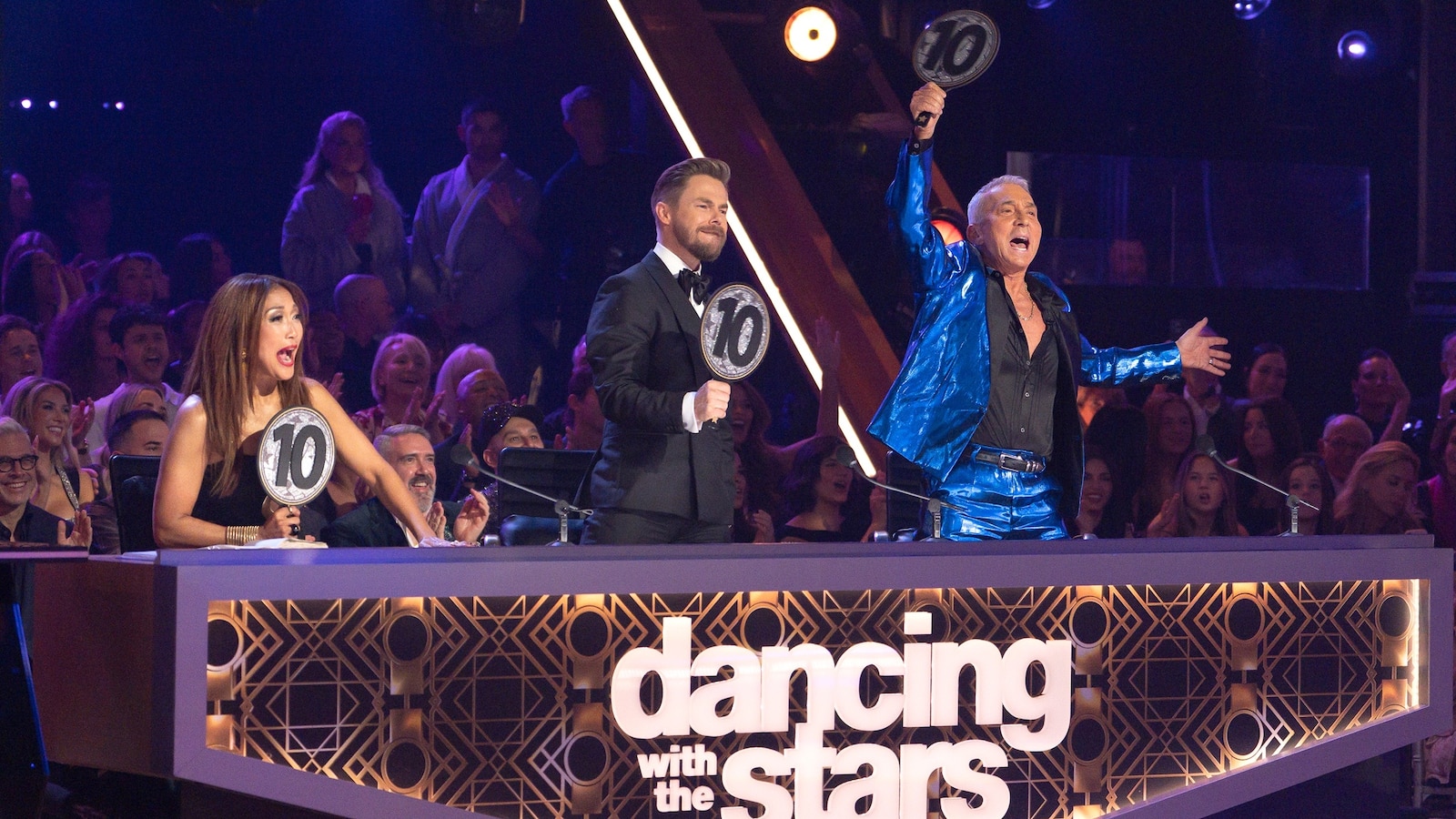
The commencement of Dancing with the Stars season 35 marks a deliberate recalibration of unscripted network programming. By bifurcating the premiere across two consecutive broadcast windows on September 15 and 16, the network engineered an operational framework to maximize linear engagement. This gender-segregated structure—staging eight male competitors on Tuesday and eight female competitors on Wednesday—governs production pacing and optimizes audience retention metrics. This shift mitigates the logistical constraints of full-cast telecasts, which historically suffer from compressed adjudication periods and truncated performance intervals.
Competitive Mechanics and Quantitative Volatility
The season 35 elimination framework introduced immediate high-stakes volatility through a double-elimination cycle. Conner Leavitt and professional partner Adele Zaikman were the first to exit following a salsa set to Tag Team’s ‘Whoomp! (There It Is),’ followed by Sarah Jane Nader and debutante professional Hailey Bills. These exits underscore a procedural synthesis of live viewer voting and real-time adjudication. In early cycles, this dual-component system penalizes contestants lacking an entrenched multiplatform coalition, as the narrow voting window requires immediate conversion of incidental viewer interest into digital engagement.
Portfolio Diversification in Talent Recruitment
The casting strategy illustrates a precise diversification model designed to capture fragmented consumer cohorts. By aggregating legacy screen actors like Tatyana Ali and Julia Stiles with reality personalities such as Maura Higgins and Ciara Miller, the production creates a cross-pollination of traditional linear viewers and digital-first demographics. This recruitment is further bolstered by high-performance athletes like Amber Glenn and lifestyle figures such as Giada De Laurentiis, ensuring the ballroom functions as a multi-tiered intersectional platform for varying consumer interests.
Professional Capital and Structural Constraints
The competition is deeply mediated by the distribution of professional partner capital. The professional acts as choreographer, director, and brand curator. The pairing of Nader with first-time professional Hailey Bills highlighted the systemic friction inherent in inaugural partnerships; veteran pros possess a cumulative institutional memory regarding camera-blocking and adjudication predispositions that newcomers lack. For Leavitt and Zaikman, the inability to navigate the technical demands of a high-tempo salsa demonstrated that without structural continuity, even recognizable figures face rapid operational exits.
Thematic Framing: The Birth-Year Anthem Constraint
A central production variable was the requirement for contestants to perform to chart-topping songs from their birth years. This thematic device establishes a standardized baseline, facilitating nostalgic cognitive entry points for the audience. Operationally, this constraint imposes choreographic hurdles, as creative teams must re-engineer the rhythmic profiles of pop or hip-hop tracks to meet the formal requirements of ballroom and Latin disciplines. This bridge between biographical narrative and musical history serves to contextualize younger competitors while reinforcing the cultural longevity of veteran participants.
Ancillary Distribution and Engagement Retention
The operational framework extends into digital ancillary programming via the ‘DWTS After Party.’ This 38-minute supplemental window serves a systemic function by processing the emotional fallout of eliminations and sustaining the franchise’s digital footprint. In a fragmented media marketplace, the linear broadcast serves as the primary acquisition engine, while secondary digital formats convert viewers into habitual consumers. As the competition progresses, the surviving fourteen couples must now optimize technical refinement and voter mobilization to secure the Len Goodman Mirrorball Trophy.