
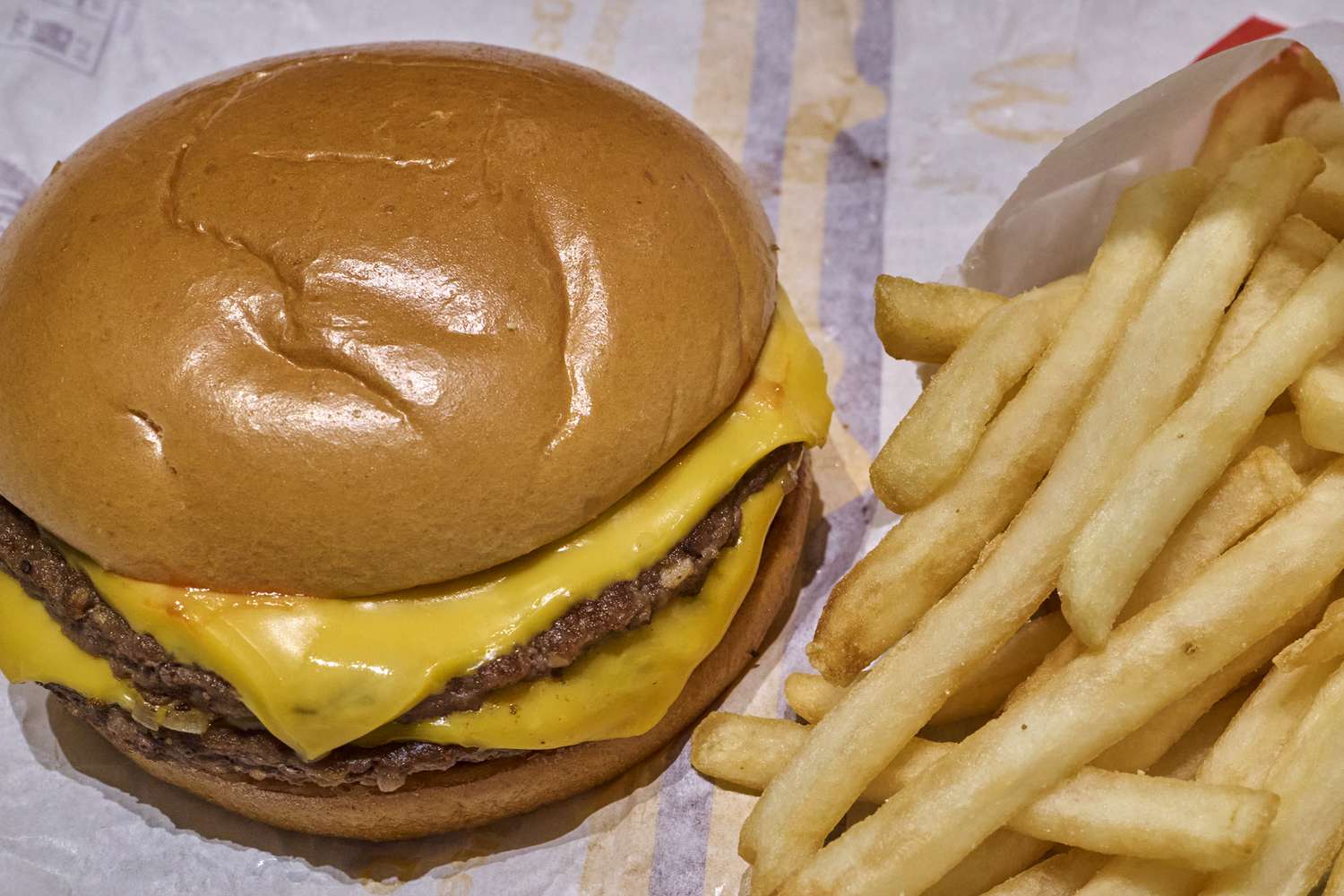
National Cheeseburger Day highlights a coordinated reliance on promotional pricing and loyalty infrastructure by major restaurant operators. Industry participants such as Applebee’s and McDonald’s structured distinct promotional mechanics to capture consumer traffic on September 18, 2026. These initiatives reflect standard operational frameworks designed to leverage calendar-driven food holidays for foot traffic generation and average check optimization.
Applebee’s deployment of an $8.99 classic burger and fries offer targets both dine-in and To Go segments. By anchoring the promotion to a specific price point, the brand establishes a clear value proposition. Concurrently, the inclusion of specialty items like the viral O-M-Cheese Burger and the O-M-Cheese-adilla Burger on its $25 monthly menu creates a tiered incentive structure.
McDonald’s leverages its digital ecosystem by tying a free Double Cheeseburger offer to a $1 minimum purchase exclusively through the MyMcDonald’s Rewards app. This mechanism drives digital adoption and captures first-party data while dispensing promotional inventory. Limiting redemption to once per person at participating locations provides necessary inventory control parameters.
Beyond single-day events, large networks bundle calendar promotions with product lifecycle updates to maximize media exposure. McDonald’s fall calendar incorporates the SpongeBob and One Piece Happy Meal alongside the return of Spicy Chicken McNuggets, diversifying consumer engagement vectors.
Operational and Financial Mechanics of Food Holiday Promotions
Promotional events require precise supply chain coordination to manage margin compression and inventory surges. Quick-service and casual dining establishments absorb varying cost structures when offering discounted items. Campaign economic viability relies on securing incremental sales through higher-margin beverage, side, or add-on purchases.
Digital application integration alters the risk-reward profile of traditional marketing by shifting distribution to targeted device environments. Requiring membership programs allows corporate entities to track redemption patterns and quantify return on investment, informing future inventory forecasting and regional pricing strategies.
Franchise models introduce operational variables during national rollouts, as participation is designated as applicable only at participating locations. Individual owners evaluate local supply costs, labor availability, and demand elasticity before opting into discounting frameworks. Consequently, national announcements function as overarching brand directives while execution remains subject to localized discretion.
Mid-September timing coincides with shifts in seasonal consumer routines, bridging summer leisure traffic and the fourth-quarter retail period. Brands utilize this window to reactivate dormant loyalty members through high-frequency value messaging, reinforcing the predictability of annual food holiday campaigns.