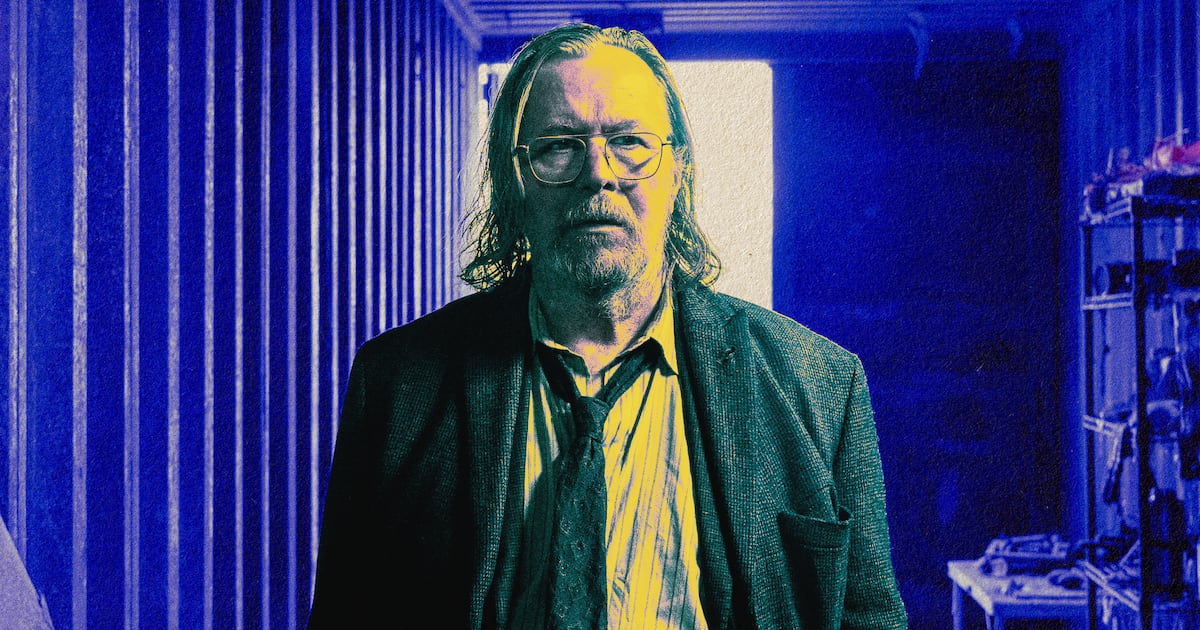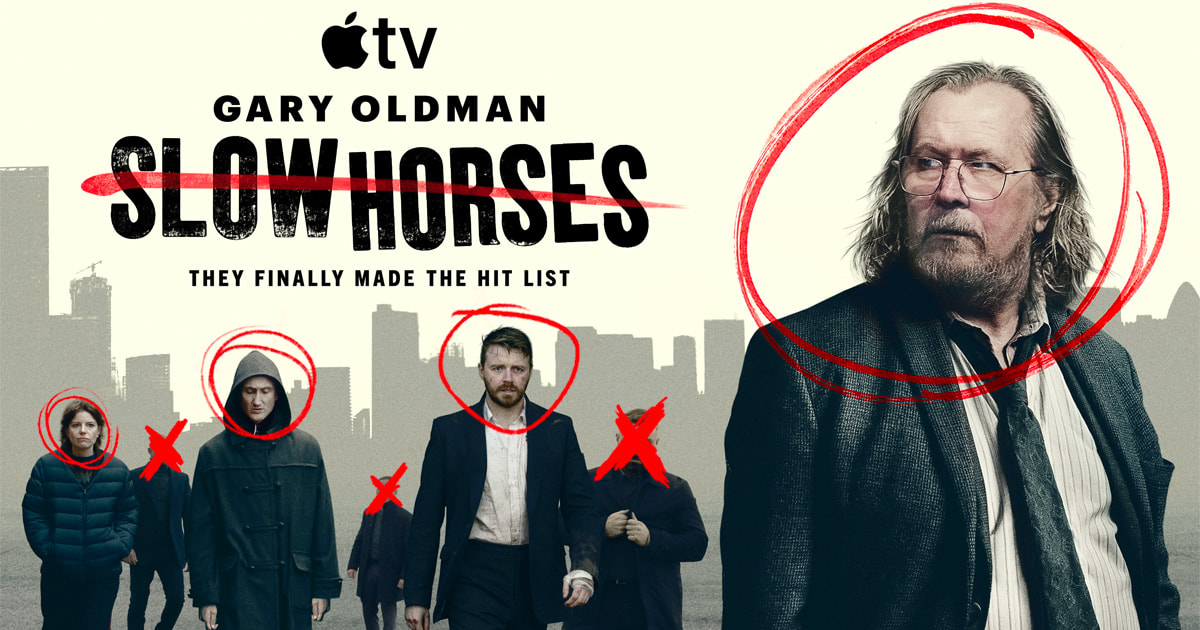
Apple TV has formally commissioned an eighth six-episode season of its espionage drama Slow Horses, locking in an unprecedented long-range operational runway for its flagship UK procedural. The commission expands the multi-Emmy-winning adaptation of Mick Herron’s Slough House literary franchise through its ninth novel, Clown Town. With Season 6 scheduled for release on September 16 and Season 7 already moving through active pre-production workflows, this advance renewal cements a structural pipeline rarely sustained in peak-era subscription video-on-demand (SVOD).
Production Velocity as a Churn-Mitigation Mechanism
The operational framework engineered by Slow Horses serves as a direct antidote to the multi-year developmental hiatuses eroding subscriber retention across premium SVOD platforms. While marquee originals such as Severance and Ted Lasso have incurred protracted gaps exceeding three years between broadcast cycles, the Sir Gary Oldman-led drama has maintained an almost strictly annual release cadence.
This delivery velocity optimizes consumer lifetime value (LTV) by replacing sporadic subscriber surges with reliable programmatic touchpoints. By filming consecutive blocks and securing talent commitments years in advance, the production amortizes logistical overhead, circumvents inflationary studio space pressures in the United Kingdom, and neutralizes the traditional inter-season subscriber churn window.
Source Material Architecture and Narrative Discipline
The efficiency of Slow Horses stems largely from its adaptation architecture. Rather than relying on open-ended writers’ rooms vulnerable to narrative drift and scripting delays, the series executes a direct conversion model mapped systematically to Herron’s prose. Adapting Clown Town for Season 8 continues the disciplined six-episode containment paradigm, enforcing narrative economy, tight pacing, and predictable budgetary parameters across all shooting blocks.
As creative head Jay Hunt, Creative Director, International at Apple TV, indicated regarding the renewal, Jackson Lamb’s acerbic deconstruction of statecraft functions as an enduring global commercial differentiator. Anchoring the platform’s overseas portfolio to validated literary IP de-risks international capital deployment while preserving tonal coherence.
Critical Pedigree and Commercial Valuation
Institutional accolades provide empirical cover for sustained multi-season capital commitments. Amassing 28 Emmy nominations alongside wins in directing and writing—supplemented by institutional honors from BAFTA and the Golden Globes—Slow Horses delivers high-yield reputational returns. For Oldman, whose unvarnished portrayal of Lamb anchors the ensemble, prolonged executive patronage converts critical momentum into catalog stability, shielding the property from algorithmic cancellations common to unlauded mid-tier titles.
Subverting the Cold War Espionage Orthodoxy
Thematic durability rests on the series’ wholesale dismantling of cinematic intelligence archetypes. Operating as the ideological antithesis of Ian Fleming’s James Bond mythology, Slow Horses frames MI5 counter-espionage not through opulent gadgetry or bespoke diplomacy, but through infrastructural decay, administrative neglect, and bureaucratic attrition. By substituting glamour with procedural realism and biting satire, the production maintains a distinct marketplace profile that insulates it from conventional genre exhaustion.
Long-Horizon Portfolio Strategy
In Apple TV’s ecosystem, Slow Horses functions as an anchor asset, generating stable, compounding viewing hours while riskier, high-budget domestic ventures navigate variable consumer reception. Guaranteeing delivery parameters through Season 8 provides critical visibility down to post-production schedules, localized subtitling, and international licensing units, demonstrating how industrial discipline and elite literary adaptation can coexist within institutional streaming models.