

England’s White-Ball Blueprint: Sri Lanka Tour, Pietersen’s Mentorship & Commercial Evolution
England’s intense international cricketing calendar advances with a multi-format white-ball series against Sri Lanka, commencing September 15, 2026. This fixture is strategically imperative, serving as a critical juncture for England to reinforce its established white-ball prowess and consolidate tactical approaches following a period of sustained T20 dominance. The series, comprising three T20Is and three One Day Internationals, is meticulously positioned within the broader international schedule, reflecting the dual imperative for national teams: balancing competitive performance with significant commercial and operational demands.
Sporting Imperatives: Player Development & Tactical Consolidation
The encounter with Sri Lanka offers a crucial platform for England’s player assessment and tactical refinement. For a team recognized for its consistent high-level performances, this series is vital for evaluating emerging talents, solidifying squad depth, and testing new combinations against diverse international opposition. These matches directly influence ICC rankings and future tournament seeding, underscoring their strategic weight for England’s ambition to maintain global leadership in limited-overs cricket.
For Sri Lanka, the series represents a significant challenge and an invaluable opportunity for squad development. Competing against one of the world’s premier white-ball teams allows for critical benchmarking of their tactical frameworks and individual player capabilities, essential for their progression on the international stage. The dual-format structure further enables nuanced selections and tactical adjustments, preparing both squads for the distinct demands of T20Is and ODIs.
Personnel Strategy: The Impact of Kevin Pietersen’s Mentorship
A pivotal strategic development concurrent with the series is the integration of Kevin Pietersen into the England setup as a white-ball mentor. This appointment by the England and Wales Cricket Board (ECB) signifies a deliberate institutional shift towards leveraging the unique insights of former elite athletes to enhance current player performance and accelerate talent development.
Pietersen’s role extends beyond traditional coaching, focusing on cultivating psychological resilience, strategic decision-making under pressure, and instilling a high-performance winning mentality. His distinguished international career offers current players an unparalleled perspective on navigating the demands of elite international cricket, potentially providing a crucial competitive edge. Operationally, his integration requires careful alignment with existing coaching staff to ensure cohesive strategic execution. Furthermore, Pietersen’s public profile generates significant media interest and fan engagement, translating into reputational leverage that benefits the national team’s brand and its commercial partners.
Commercial & Operational Dynamics of International Fixtures
The staging of this multi-format series underscores the intricate financial and operational machinery underpinning international cricket. Each match, spanning iconic venues like Southampton, Cardiff, Emirates Old Trafford, and Durham, represents a substantial economic undertaking. Revenue generation for the ECB is multifaceted, heavily reliant on broadcast rights, ticket sales, and sponsorship agreements. The strategic scheduling of both T20Is and ODIs across diverse venues maximizes these revenue streams by catering to varied audience segments and geographical markets, simultaneously boosting local economies through tourism and hospitality.
The sustained international calendar imposes considerable demands on player management, necessitating robust strategies for fitness monitoring, injury prevention, and mental well-being. Cricket boards must meticulously navigate these complexities to ensure optimal player performance and safeguard long-term careers. The logistical orchestration of such a tour—encompassing travel, accommodation, practice facilities, and security—demands intricate coordination between national boards, the International Cricket Council (ICC), and local organizing committees, all executed to stringent professional standards.
The Evolving Landscape of Cricket Broadcasting
Broadcast arrangements for the England vs. Sri Lanka series—specifically detailing Sky Sports and the “contract-free” streaming option via NOW—highlight the profound evolution in sports media consumption and its financial implications. Broadcast rights remain the paramount cornerstone of cricket’s economic model, with agreements like Sky Sports’ contributing substantially to the ECB’s annual revenue, which in turn funds grassroots development and professional infrastructure.
The integration of streaming platforms like NOW, offering flexible, on-demand access, signifies a strategic adaptation to contemporary consumer preferences. This hybrid model broadens market reach beyond traditional linear television subscribers, attracting new demographics and diversifying revenue streams for broadcasters. For cricket boards, embracing such multi-platform approaches is crucial for maximizing audience engagement and commercial value, ensuring the sport remains accessible across various technological interfaces. This competitive broadcast landscape, where media companies vie for exclusive content, leverages premium live sports like international cricket as a key differentiator, while data from streaming platforms offers invaluable insights for future marketing and content strategies.
Stakeholder Analysis: Incentives, Risks, and Leverage
The England vs. Sri Lanka series creates a complex interplay of incentives, risks, and leverage for all stakeholders within the cricketing ecosystem. For the England and Sri Lanka Cricket Boards, the primary drivers are competitive success, financial stability, and brand enhancement. Risks include reputational damage from underperformance or operational failures, alongside potential financial losses from suboptimal viewership or attendance.
Players face intense performance pressure, injury risks, and constant media scrutiny. Their leverage emanates directly from their on-field capabilities, which dictate career trajectories, endorsement opportunities, and overall team success, thereby influencing the sport’s commercial viability. Broadcasters like Sky Sports and NOW, having invested heavily in content rights, aim to maximize subscriber growth and advertising revenue. Their exposure lies in the fluctuating appeal of the sport and competitive market pressures, with leverage derived from exclusive access to premium live events.
Sponsors seek brand visibility and alignment with successful teams, risking negative publicity if controversies arise. Their financial contributions, however, provide significant leverage over the sport’s economic health. Finally, host venues benefit from economic activity and brand exposure but contend with operational risks (e.g., crowd management, security). Their critical infrastructure and event hosting capabilities represent their leverage, indispensable for the international calendar.
Systemic Implications for Global Cricket Governance & Commercialization
The strategic decisions and operational dynamics surrounding the England vs. Sri Lanka series serve as a compelling microcosm for broader systemic trends and challenges impacting global cricket. The continuous density of the international calendar, managed by the ICC and member boards, continually tests the balance between competitive demands, player welfare, and the strategic priorities of national teams.
The strategic appointment of specialized expertise, exemplified by Kevin Pietersen’s mentorship, reflects an institutional commitment across elite sports to pursue marginal gains and psychological advantages in highly competitive environments. Concurrently, the evolving broadcast model—integrating linear and flexible streaming—underscores cricket’s critical navigation of the digital consumption shift, which profoundly reshapes revenue generation and audience reach.
Furthermore, the competitive outcomes of bilateral series directly contribute to global ranking systems and qualification pathways for major ICC tournaments, influencing a nation’s standing and future opportunities on the world stage. The financial ecosystem of international cricket, perpetually adapting to global economic shifts and technological advancements, frames this series not merely as a sporting event but as an integral component of a larger, interconnected commercial enterprise. In conclusion, the England vs. Sri Lanka series in 2026 encapsulates the intricate balance between sporting ambition, commercial viability, innovative player development, and the transformative media landscape that defines contemporary international cricket.
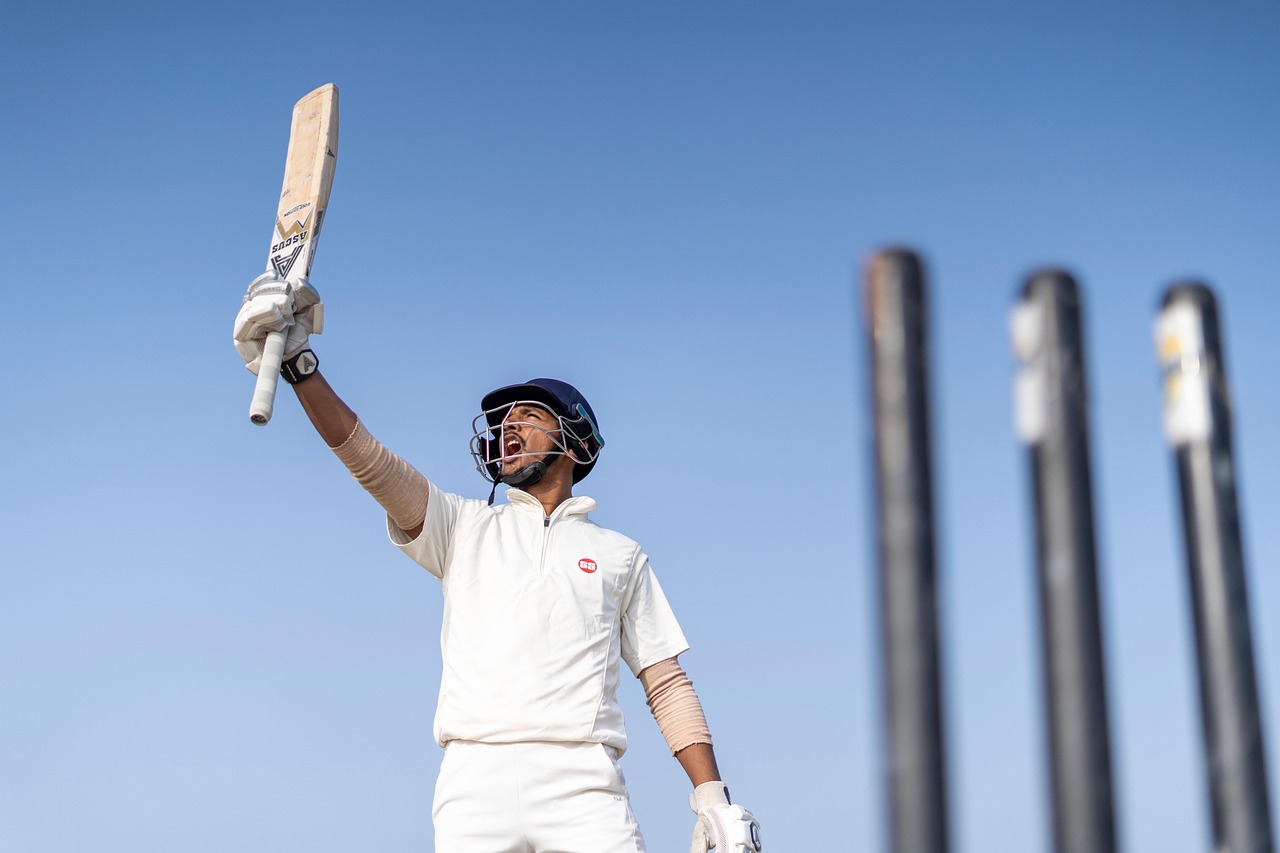
Photo by yogendras31 on Pixabay.